


















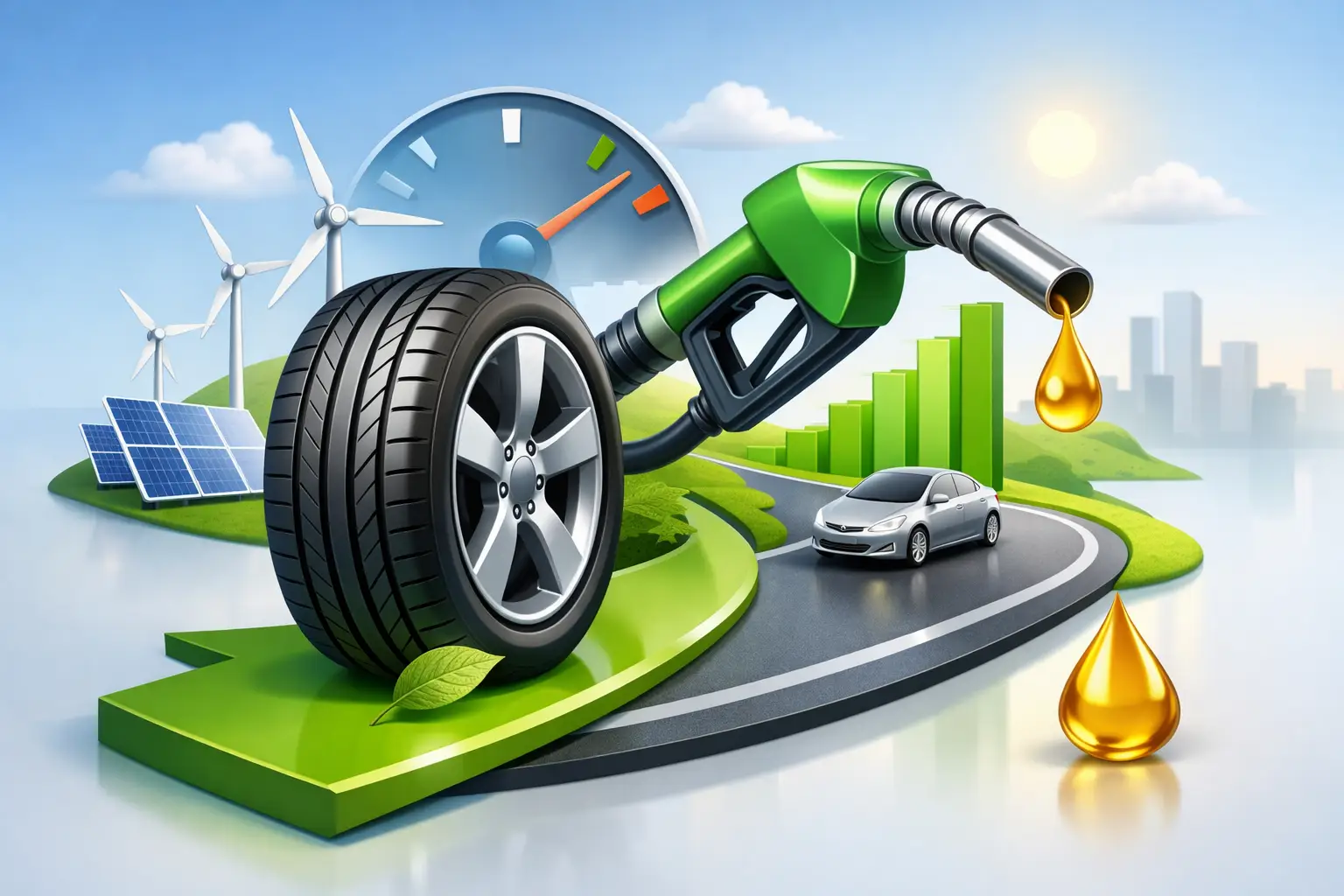
Every extra stop at the pump adds up fast, especially if you spend your week commuting, running family errands, or covering long highway miles. Choosing the best tyres for fuel economy can reduce rolling resistance, help your vehicle use less energy, and cut operating costs without changing the way you drive.
That sounds simple, but fuel-saving tyres are not just about picking the lowest-price eco option on the shelf. The right choice depends on your vehicle, your daily roads, your climate, and how much comfort, grip, and tread life you expect from a set of tires. A tire that saves fuel on a compact sedan may be a poor fit for a loaded SUV or a performance car that needs sharper handling.
What makes the best tyres for fuel economy work?
Fuel economy tires are built to reduce rolling resistance. That is the force your engine has to overcome to keep the tire moving down the road. When rolling resistance is lower, the vehicle needs less fuel to maintain speed.
Manufacturers achieve this through tread compounds, construction, and pattern design. A lower rolling resistance tire often uses advanced silica-based compounds, lighter internal construction, and tread blocks designed to limit energy loss. In practical terms, that means the tire flexes less and wastes less energy as heat.
This is where many buyers get tripped up. A tire can be efficient without being the hardest or most basic option available. Modern premium and mid-range brands have become much better at balancing efficiency with braking performance, wet grip, and ride comfort. So if you are shopping smart, you do not always need to give up safety to gain better fuel use.
Low rolling resistance vs real-world performance
The phrase low rolling resistance gets a lot of attention, but it should never be the only thing you look at. The best tyre for fuel economy on paper is not automatically the best tire for your car in daily use.
For example, a tire with very low rolling resistance may offer slightly less dry-road feel or longer stopping distances in the wet compared with a more performance-focused model. Some drivers will barely notice the difference. Others, especially those driving larger SUVs, powerful sedans, or vehicles loaded with passengers, may prefer a better all-around compromise.
Road surface matters too. Smooth highways favor fuel-efficient tire designs. Rough urban pavement, frequent braking, hot climates, and underinflation can shrink the benefit. That is why it makes sense to think in terms of overall value, not just lab-tested efficiency.
How to choose the best tyres for fuel economy for your vehicle
Start with the correct tire size and load rating. If the tire is not approved for your vehicle, any promise of fuel savings becomes irrelevant. The best results come from a properly matched tire that supports the vehicle safely and performs as intended.
Next, consider the type of vehicle you drive. Passenger cars usually benefit the most from fuel-efficient touring or eco-focused tires. Crossovers and SUVs can also see savings, but they often need stronger sidewalls and higher load capacity, which can limit how far efficiency can be pushed. For 4×4 vehicles, aggressive all-terrain tread patterns usually cost fuel compared with highway-terrain options. If your driving is mostly on paved roads, a road-focused tire is generally the smarter choice for both comfort and running costs.
Driving style is another big factor. If you accelerate hard, brake late, or take fast corners regularly, a pure fuel-economy tire may not suit you. In that case, a balanced touring tire from a trusted brand is often the better buy. You may give up a small amount of efficiency, but gain more confidence and longer usable performance.
Brand quality matters as well. Premium brands invest heavily in compound technology, which often leads to better efficiency without sacrificing wet grip. Mid-range brands can also offer strong value if you want a practical mix of cost savings and dependable everyday performance. Cheap unknown tires may seem tempting, but lower upfront pricing can disappear quickly if tread wear, noise, or braking performance disappoints.
What labels and specs should you check?
When comparing fuel-saving tires, look beyond marketing language. Tire labels and technical data can help you narrow down the right options faster.
Rolling resistance or fuel efficiency ratings are the obvious place to start. If available, compare tires within the same size and category rather than across completely different segments. A highway touring tire and a mud-terrain tire are built for different jobs, so direct comparison rarely tells the full story.
Wet grip should sit near the top of your checklist. Saving fuel is useful, but not if braking performance drops too far in rain. This matters even more for family vehicles and high-speed highway driving.
Noise ratings can also influence satisfaction. Some fuel-efficient tires are impressively quiet, while others prioritize economy over refinement. If you spend a lot of time on the road, cabin comfort is part of value.
Treadwear expectations deserve attention too. A tire that saves a little fuel but wears out early may not lower your total cost of ownership. The stronger choice is usually the tire that balances efficiency, safety, and service life.
The biggest mistakes that hurt fuel economy anyway
Many drivers focus on buying efficient tires, then lose the benefit through poor maintenance. Tire pressure is the biggest example. Even the best tyres for fuel economy will underperform if they are underinflated. Low pressure increases rolling resistance, creates more heat, and wears the shoulders faster.
Alignment is another common issue. If your wheels are out of alignment, the vehicle drags more than it should and the tires scrub against the road. That wastes fuel and shortens tread life at the same time.
Worn suspension parts, delayed tire rotation, and carrying unnecessary weight in the vehicle also work against efficiency. So while tire choice matters, the best fuel-saving result comes from treating tires as part of the whole vehicle setup.
Are fuel economy tires worth it for every driver?
Not always. If you drive mostly short city trips, the fuel savings may be modest because stop-and-go traffic, idling, and repeated acceleration have a huge effect on consumption. In that case, durability, wet braking, and ride quality may matter more than chasing the absolute lowest rolling resistance.
If you cover long highway distances, the value becomes clearer. Commuters, sales drivers, and families who rack up mileage can often justify paying a bit more for a well-rated fuel-efficient tire. Over time, the combination of lower fuel use and solid tread life can make the purchase worthwhile.
SUV and pickup owners should be realistic. Heavier vehicles naturally use more fuel, and tire choices with aggressive tread or oversized fitments tend to raise consumption. If efficiency is a priority, staying close to the original equipment size and choosing a road-focused pattern usually makes more sense than upgrading to a heavier, more aggressive design.
The smart buying approach
A good tire purchase starts with the right fit, but the smarter purchase looks at long-term cost. Think about what you spend on fuel each month, how many miles you drive, and whether your current tires are adding resistance through wear, noise, or poor maintenance history.
Then compare options by category. For most drivers, the sweet spot is not the most extreme eco tire. It is a high-quality touring tire with strong fuel-efficiency credentials, dependable wet grip, and a reputation for even wear. That is the kind of product that supports daily driving without making compromises feel obvious.
This is also where professional guidance makes a difference. A retailer with broad brand coverage can help you compare premium, mid-range, and value options in the exact size your vehicle needs, while keeping fitment, balancing, and alignment in view. That saves time and reduces the risk of buying a tire that looks good on paper but is wrong for your driving.
If you are replacing all four tires, you also have a clean opportunity to restore efficiency. A fresh, properly fitted set with correct pressure and alignment often feels better immediately – lighter steering, smoother cruising, and more predictable handling.
The best choice is the one that keeps fuel costs under control without asking you to give up the safety and confidence you expect every day. Buy for your vehicle, your roads, and your mileage, and the savings tend to follow naturally.

 Get This Deal