


















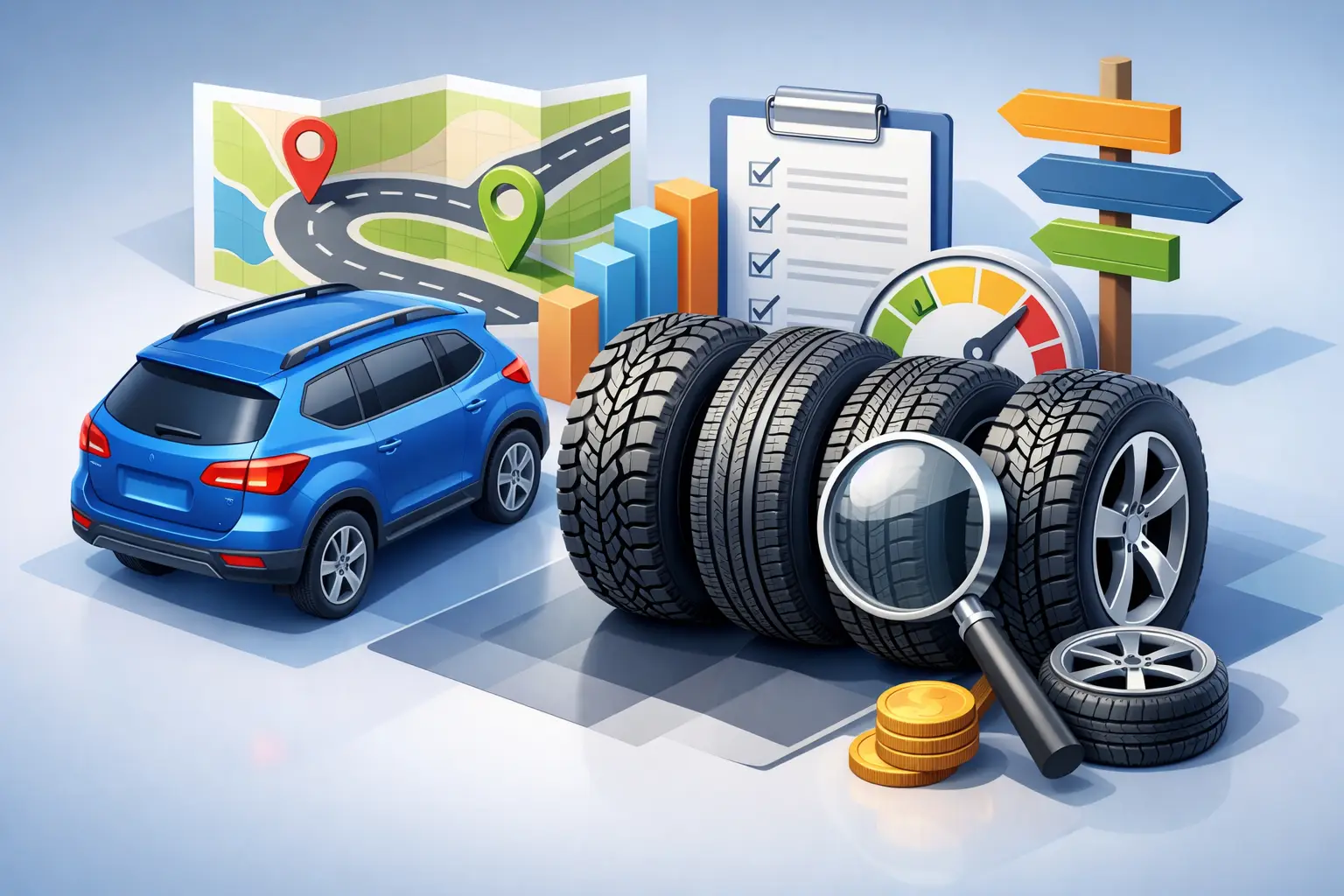
That uneasy moment when your SUV starts feeling louder, less stable, or slower to stop is usually your tires asking for attention. A solid suv tyre buying guide helps you avoid guesswork, protect your family, and spend money where it actually counts – on grip, durability, and the right fit for how you drive.
SUV tires do more than roll. They carry more weight than standard passenger car tires, deal with higher centers of gravity, and often split their time between highways, city streets, rough pavement, heat, and the occasional unpaved road. That means the right choice is not simply the cheapest tire in the right size. It is the tire that matches your vehicle, your driving habits, and your priorities.
What makes SUV tire buying different
SUVs sit in a tricky middle ground. Some are family crossovers that rarely leave pavement. Others tow trailers, carry full loads, or head off-road on weekends. Many drivers want one tire to do everything, but every tire involves trade-offs.
A highway-focused SUV tire usually gives you lower road noise, better comfort, and improved fuel efficiency. An all-terrain tire gives you stronger traction on loose surfaces and a tougher look, but it can ride firmer and wear differently on daily commutes. If you mainly drive on paved roads, choosing an aggressive tread just for appearance often means paying more for noise and less comfort.
That is why the first question is not which brand is best. It is how your SUV is actually used.
Start with the correct size
The most important step in any suv tyre buying guide is getting the size right. Your current tire sidewall shows a code such as 265/65R17. That sequence tells you the width, sidewall profile, construction type, and wheel diameter.
Matching this size matters because it affects speedometer accuracy, ride quality, braking, handling, and clearance. Going outside the manufacturer-approved size range can create issues with rubbing, stability, and uneven wear. If you are replacing all four tires and considering a different size, it should be a deliberate fitment decision, not a random switch based on what is available.
You also need to check the load index and speed rating. SUVs are heavier vehicles, and many drivers carry passengers, luggage, or work gear regularly. A tire with the wrong load capacity may fit physically but still be the wrong product for the vehicle.
Load rating matters more than many drivers think
If your SUV is used for family travel, airport runs, road trips, or light towing, load rating deserves close attention. The right load index helps the tire support vehicle weight safely and maintain stability under braking and cornering.
Choosing a lower load rating to save money is not a smart compromise. On the other hand, going excessively high without reason does not always improve the drive either. The best choice is the rating specified or approved for your SUV.
Choose the tread type for your real driving
This is where buying gets practical. Most SUV owners will be choosing between highway terrain, all-season SUV tires, and all-terrain tires.
Highway terrain tires are ideal for drivers who spend most of their time on paved roads. They are typically quieter, smoother, and more efficient. For school runs, office commutes, and long highway trips, they usually make the most sense.
All-season SUV tires are built for broad everyday use. They aim to balance dry grip, wet traction, comfort, and tread life. For drivers who want a dependable, versatile option without leaning too hard into off-road performance, this is often the safest middle ground.
All-terrain tires suit drivers who regularly deal with gravel, sand, rough tracks, or mixed surfaces. They offer stronger off-road traction and a tougher carcass in many cases, but they may generate more noise and feel less refined on daily pavement driving.
The Gulf driving factor
In hotter climates, tire heat resistance and compound durability are especially important. Long highway stretches, high road temperatures, and heavy SUV loads can all accelerate wear if the tire quality is poor or the application is wrong. A bargain tire that struggles in heat can cost more in the long run through faster replacement and reduced confidence behind the wheel.
Premium, mid-range, or budget?
Not every SUV needs a premium tire, but every SUV does need a trustworthy one. The right buying decision usually sits at the point where safety, value, and expected mileage meet.
Premium brands often deliver stronger wet grip, lower cabin noise, better tread consistency, and more refined handling. If you drive frequently, carry family, or simply want a more composed ride, the extra spend can be justified.
Mid-range tires are often the sweet spot for value-conscious drivers. A good mid-range option can provide dependable daily performance, solid tread life, and reassuring road manners without premium pricing.
Budget tires can work for lower-mileage use, but this is where discipline matters. The lowest price is only a win if the tire still delivers acceptable braking, durability, and heat performance. For an SUV, where weight and stability matter more, going too cheap can be a false economy.
How to read what the sidewall is telling you
A good suv tyre buying guide should make sidewall markings less confusing, not more. Beyond size, there are a few details worth understanding.
The manufacturing date matters because tires age even if tread depth looks acceptable. You should also check whether the tire is marked for SUV use or built with features suited to heavier vehicles. UTQG ratings can give some insight into treadwear and traction, although they are better used as reference points than absolute answers.
If you see XL or extra load markings, that indicates a tire designed to carry higher loads at higher inflation pressures. Many SUVs use these specifications for good reason.
Ride comfort, noise, and handling all come from the tire
Drivers often blame the vehicle when the real issue is the tire choice. If your SUV feels harsh over bumps, noisy at speed, or vague in corners, the tire design may be playing a major role.
A touring-style SUV tire usually prioritizes comfort and quieter road manners. A sport-oriented SUV tire sharpens steering response and grip, but may wear faster or ride firmer. An all-terrain pattern improves loose-surface confidence, but often brings more tread noise.
There is no perfect tire in every category. The right one depends on which compromises you can live with. For most family and daily-use SUVs, comfort, wet braking, and even wear should rank ahead of aggressive looks.
Do not ignore wet grip and braking distance
Many drivers shop by price, then tread pattern, then brand. Safety should be higher on the list. Wet grip is one of the biggest separators between a decent tire and a genuinely confidence-building one.
An SUV already carries more momentum than a smaller car. In rain or standing water, braking distances matter fast. Even if your roads are dry most of the year, the days when conditions turn slippery are exactly when tire quality proves its value.
This is one reason trusted brands and clear product specifications matter. Marketing claims are easy. Predictable braking and stable handling are what count.
When should you replace all four tires?
If one tire is damaged, replacing a single unit may seem cheaper. Sometimes it is acceptable, but often with SUVs, especially all-wheel-drive models, matching tread depth across the vehicle matters. Significant differences in wear can affect traction balance and drivetrain behavior.
If your existing set is already half worn or more, replacing all four is often the smarter move. It gives you consistent grip, more predictable handling, and a clean starting point for rotation and maintenance.
Fitment and alignment are part of the buying decision
A great tire can still disappoint if it is fitted poorly or run on a bad alignment. Uneven wear, steering pull, vibration, and shortened tread life often start there.
That is why convenience matters, but professional fitment matters more. Proper installation, balancing, and alignment support help your new tires perform the way they should from day one. GCC Tires puts real value behind the purchase by combining tire choice with professional fitment support, which is exactly what many SUV owners need – less friction, more confidence.
How to make the final choice
If you want the shortest route to the right tire, focus on five things: correct size, correct load rating, tread type that matches your driving, a brand tier that fits your budget, and professional fitment. That narrows the field quickly and removes most of the costly mistakes.
If your SUV spends 90 percent of its time on pavement, buy for road performance first. If you carry heavy loads often, prioritize load capacity and durability. If you regularly drive rough tracks or loose surfaces, choose all-terrain capability knowing you may give up some comfort and quietness.
The best tire is not the one with the most aggressive pattern or the highest price tag. It is the one that helps your SUV stop safely, ride confidently, wear evenly, and fit your daily life without compromise you will regret later.
Buy with clarity, not pressure. The right set of SUV tires should make every drive feel more controlled, more comfortable, and easier to trust.



 Get This Deal