



















A tire can look fine at a stoplight and still be the wrong tool for the road ahead. In the Gulf, where intense heat, polished highways, sudden rain, and fast highway driving all shape how a vehicle feels, the summer vs all season tires decision is about more than price. It affects braking confidence, steering response, ride comfort, and how long your next set may last.
The best choice depends on your vehicle, your driving style, and the conditions you face most often. A family sedan used for daily commuting has different needs than a performance coupe, a heavily loaded SUV, or a 4×4 that regularly leaves the pavement. Here is how to choose with confidence.
Summer vs All Season Tires: The Core Difference
Summer tires are built for warm conditions. Their rubber compounds and tread designs are engineered to stay planted on hot pavement, delivering sharp steering, strong dry braking, and dependable wet-road grip in warm rain. They are the natural fit for drivers who value precise handling, especially in performance cars and sporty SUVs.
All-season tires aim for a wider comfort zone. They balance dry-road capability, wet traction, tread life, comfort, and light-cold-weather flexibility. They will not normally match a dedicated summer tire when the road is hot and your driving is demanding, but they can be a practical, value-focused choice for many daily drivers.
Neither category is automatically better. The right tire is the one that matches the way you actually use your vehicle, not simply the most aggressive-looking option on the rack.
Why Summer Tires Perform So Well in Heat
On a hot day, tire rubber works hard. Summer tires use compounds designed to remain stable and grippy as road temperatures climb. Their tread blocks are often larger and more solid than those on all-season tires, which helps create a more direct connection between your steering wheel and the pavement.
That difference is easy to feel when changing lanes at highway speed, taking a sweeping curve, or braking firmly. A quality summer tire typically responds faster, corners with more control, and provides a more confident pedal feel in dry conditions. Many also clear water effectively during warm-weather rain through wide grooves that channel water away from the contact patch.
For performance vehicles, this added precision is not just a luxury. High-powered cars place serious demands on their tires during acceleration and braking. Fitting an all-season tire simply because it is cheaper can leave performance, control, and stopping ability on the table.
Summer tires also make sense for drivers in consistently hot climates where freezing temperatures and snow are not part of the equation. In those conditions, buying for winter capability you will never use may mean compromising the grip you need every day.
The Trade-Offs of Summer Tires
Summer tires are specialized, so they ask for a little more from the owner. Their softer, grip-focused compounds can wear faster than touring-oriented all-season tires, particularly on powerful vehicles or under hard acceleration. They may also produce more road noise or offer a firmer ride, depending on the tire model and sidewall profile.
They are not intended for cold, icy, or snowy conditions. As temperatures drop significantly, the rubber can stiffen and lose traction. That may not matter for most Gulf-based drivers, but it matters if you regularly travel to colder areas or keep a vehicle in a climate with real winter weather.
Where All-Season Tires Make More Sense
All-season tires are designed for motorists who want one dependable set for everyday use. They are especially well suited to sedans, crossovers, minivans, and SUVs that spend most of their time commuting, doing school runs, handling errands, or covering long highway distances.
Compared with many summer tires, all-season options often prioritize a quiet ride, gradual wear, and efficient daily performance. Their tread patterns include more sipes – the small cuts in the tread blocks that add edges for wet and cooler-road traction. This design helps them manage changing conditions while maintaining predictable behavior.
For a driver who values lower replacement frequency and easy ownership over maximum cornering grip, a good all-season tire can be the smarter investment. It can also be a sensible match for fleet vehicles, where consistent mileage and dependable behavior matter more than sporty response.
The key is to set realistic expectations. “All-season” does not mean “best in every season.” It means balanced performance across a broad range of normal road conditions. On very hot pavement, during aggressive driving, or under heavy loads, a dedicated summer tire may still offer better control.
Match the Tire to Your Vehicle and Driving
Start with how your vehicle is used during a normal month, not the occasional road trip or one spirited drive. If your car is a daily commuter and you want comfort, value, and reliable wet-road behavior, all-season tires deserve a close look. Choose a model with the correct load index and speed rating for your vehicle, especially for SUVs and vehicles that regularly carry passengers or cargo.
If you drive a sports sedan, luxury performance vehicle, coupe, or a powerful SUV, summer tires are often the better match. These vehicles are engineered with higher levels of grip and responsiveness in mind. The right summer tire lets the chassis, suspension, and brakes do their job properly.
For 4×4 and off-road owners, the choice may not be limited to either category. Highway-terrain, all-terrain, and mud-terrain tires each serve different purposes. An all-season highway tire can work well for a 4×4 that stays on pavement, while an all-terrain option is better for drivers who regularly encounter gravel, sand, or uneven surfaces. Be honest about how often your vehicle goes off-road. Aggressive tread is valuable off pavement, but it can add noise, weight, and fuel use on the highway.
Rain, Braking, and the Tread You Cannot See
Wet performance is one of the most overlooked parts of tire shopping. Rain can turn dusty roads slick quickly, and worn tires have less ability to move water away from the road surface. Whether you choose summer or all-season tires, tread depth and tire condition matter as much as the category printed on the sidewall.
A premium summer tire can provide excellent wet traction in warm conditions, while a quality all-season tire may offer broader wet-weather reassurance for ordinary driving. In both cases, look for a tread design with effective water evacuation and avoid mixing unmatched tire types across the same axle.
Check tire pressure regularly as well. Underinflation creates extra heat, harms handling, and can speed up uneven wear. Overinflation can reduce the contact area and make the ride harsher. Use the pressure listed on your vehicle’s door-jamb placard, not the maximum pressure molded onto the tire sidewall.
Do Not Ignore Size, Load Rating, and Fitment
The correct category does not help if the tire size is wrong. Your replacement tires must match the manufacturer-approved size, load capacity, and speed rating unless a qualified tire professional has confirmed an appropriate alternative. The information is shown in a format such as 225/45R17, but those numbers are only part of the decision.
A wider tire is not always an upgrade. It may affect clearance, steering feel, ride quality, fuel consumption, and wet-road behavior. Likewise, a lower-profile tire can improve response but may be less forgiving on rough roads and more vulnerable to pothole damage.
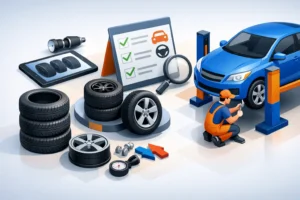
Professional fitting, balancing, and alignment protect your investment. Poor alignment can wear the inside or outside edge of a new tire long before its time. Correct balancing reduces vibration at speed and supports a smoother, more controlled drive. GCC Tires helps make this part straightforward with professional fitment support, so the tire you choose performs as intended from day one.
When Price Should and Should Not Decide
A lower upfront price can be appealing, but the cheapest tire is not always the best value. Consider expected tread life, wet braking, heat resistance, road noise, warranty coverage, and the quality of the brand behind it. A tire that wears evenly, inspires confidence in rain, and suits your driving may cost less over its full service life than a bargain option replaced early.
At the same time, not every driver needs a premium ultra-high-performance summer tire. If your vehicle is used mainly for relaxed city and highway driving, a reputable mid-range all-season tire may deliver exactly the comfort, safety, and value you need. Choose based on the job, then compare options within that category.
Before you order, inspect your current tires for uneven wear and confirm your vehicle’s original specifications. The right set should feel like a confident match for every mile ahead – from the first highway merge to the next unexpected rainstorm.


 Get This Deal