


















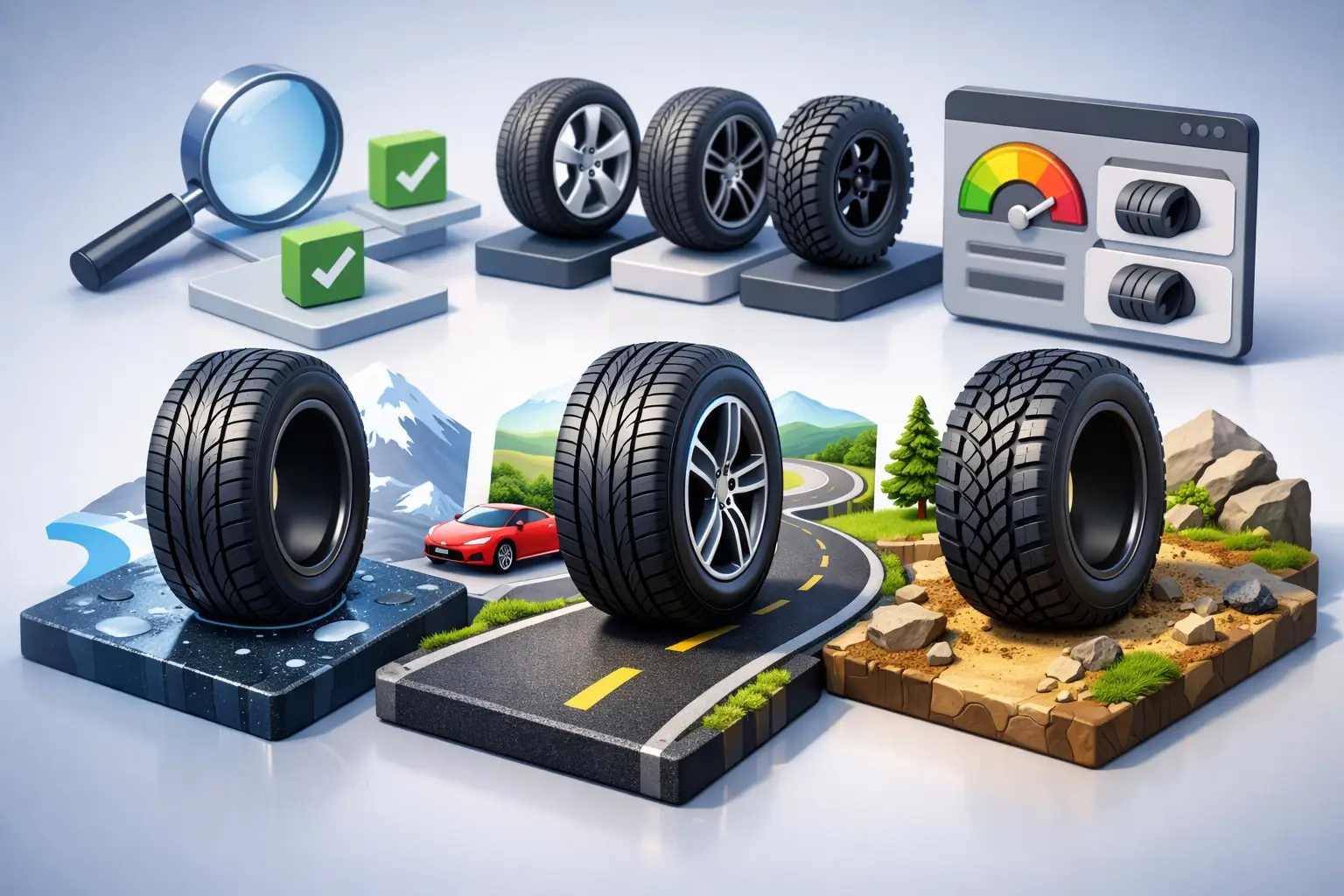
A tyre brand is not just a name on the sidewall. It affects how confidently your vehicle brakes in traffic, handles high summer temperatures, rides over uneven roads, and holds up over thousands of miles. This tyre brand selection guide helps you look beyond the logo and choose a set that suits your vehicle, driving habits, and budget.
The right choice is rarely the most expensive tyre or the cheapest available option. It is the tyre that delivers the grip, durability, comfort, and service life you actually need, with professional fitment to make sure it performs as intended.
Start With the Right Tyre Size
Before comparing brands, confirm your correct tyre size. It is printed on your current tyre sidewall in a format such as 225/55R17. The numbers show the tyre width, profile, construction, and wheel diameter. Your vehicle placard, usually found inside the driver-side door frame, is also a reliable reference.
A premium tyre in the wrong size is still the wrong tyre. Changing size, load rating, or speed rating without understanding the effect can alter steering response, ride height, fuel use, and braking behavior. If you want a different profile for appearance, off-road clearance, or performance, check vehicle compatibility first.
For many drivers, the best starting point is simple: match the manufacturer-recommended size and then choose the brand and pattern that suit how you drive.
A Tyre Brand Selection Guide Starts With Your Driving
Tyre manufacturers build different lines for different jobs. A quiet touring tyre and a track-oriented performance tyre may come from the same respected brand, yet they are designed around completely different priorities.
Daily commuting and family driving
For sedans, crossovers, and family SUVs used mainly on city roads and highways, look for a touring or comfort-focused tyre. These typically prioritize predictable wet and dry braking, lower road noise, a smoother ride, and strong tread life. You may give up some sharp cornering response, but that is often a worthwhile trade for everyday comfort and value.
Choose a brand with a proven touring range and clear warranty support. Do not judge the tyre only by its purchase price. A slightly higher-priced tyre that lasts longer and stays quieter can be the better value over its full service life.
SUVs, 4x4s, and mixed-road driving
SUV and 4×4 owners need to be realistic about where the vehicle travels. A highway terrain tyre is ideal for mostly paved use, offering lower noise and better comfort. An all-terrain tyre adds tougher construction and more traction on gravel, sand, and loose surfaces, but it can be louder and may wear faster on asphalt.
For frequent off-road use, mud-terrain patterns offer more aggressive traction and sidewall protection. They also bring trade-offs: firmer ride quality, more road noise, and less refined wet-road performance than a road-focused tyre. Buy for your real routes, not just the look you want.
Performance and spirited driving
Performance cars benefit from tyres with responsive steering, stronger cornering grip, and dependable braking at speed. These tyres often use softer compounds and stiffer sidewalls. The reward is control and connection to the road. The compromise can be a shorter tread life, more noise, and a higher price.
If your car is used on both public roads and occasional track days, a max-performance street tyre may be the sensible middle ground. A dedicated track-focused tyre can deliver impressive dry grip, but may be less suitable in standing water, cooler conditions, and regular commuting.
Commercial and heavy-use vehicles
For delivery vehicles, work trucks, and business fleets, load capacity and mileage matter as much as grip. Select tyres with the correct load index and a pattern built for sustained use. The lowest upfront cost can quickly disappear if the tyre wears unevenly, suffers damage, or creates more downtime.
Fleet buyers should also consider consistency. Using a dependable brand and matching tyre specifications across similar vehicles makes rotation, replacement planning, and performance tracking easier.
Compare Tyres by What You Can Feel on the Road
Brand reputation matters, but the product line and tyre specifications matter more. Compare like with like. A premium brand’s entry-level touring tyre should be judged against a similar touring tyre from a mid-range or value brand, not against its own high-performance flagship.
Focus on these practical factors when reviewing options:
- Wet and dry grip: Look for a tyre designed to maintain braking and traction in the weather conditions you face most often.
- Heat resistance: High road temperatures place extra stress on compounds and construction. Quality materials and proper inflation are essential for durability.
- Tread life: A longer-lasting tyre can reduce your total running cost, especially for high-mileage drivers and fleets.
- Ride comfort and noise: Touring tyres generally provide a quieter, more relaxed drive than aggressive all-terrain or performance patterns.
- Load and speed ratings: These must meet or exceed your vehicle’s requirements. They are safety specifications, not optional upgrades.
Online ratings can help, but read them in context. A driver who wants silent highway comfort may rate an all-terrain tyre poorly, while an off-road driver may consider its road noise an acceptable compromise for stronger traction.
Premium, Mid-Range, or Value: Choose With a Clear Standard
Premium tyre brands invest heavily in compound technology, research, testing, and specialized product ranges. They are often a strong choice for drivers who demand maximum wet braking, refined comfort, high-speed stability, or a specific fitment for a performance vehicle. The initial price is higher, but the performance can justify it.
Mid-range brands can offer an excellent balance for everyday motorists. Many deliver dependable grip, solid tread life, and comfortable road manners without the premium price point. This category is often worth close attention when you want recognized quality and practical savings.
Value tyres can make sense for low-mileage vehicles, secondary cars, or drivers with a tight replacement budget. However, value should never mean ignoring safety basics. Check the tyre’s age, load and speed rating, intended use, and the reputation of the manufacturer. A low price is only a good deal when the tyre is genuine, suitable, and professionally installed.
Check the Date Code and Product Authenticity
Even a well-known tyre brand needs to be fresh and properly stored. Find the four-digit DOT date code on the sidewall. For example, 2425 means the tyre was manufactured in the 24th week of 2025. Newer stock is generally preferable, especially in hot climates where rubber condition matters.
Buy from a retailer that supplies original products, provides clear specifications, and uses authorized fitment partners. Correct mounting, balancing, valve inspection, and alignment are part of tyre performance. A good tyre fitted poorly can vibrate, wear unevenly, and fail to deliver the handling you paid for.
At GCC Tires, selecting by size, vehicle, brand, or driving category helps reduce guesswork, while professional fitment support helps protect your investment from the first mile.
Do Not Mix Tyres Without a Plan
Replacing all four tyres with the same model is usually the best way to maintain balanced handling. If you need to replace only two, fit the new pair on the rear axle unless your vehicle manufacturer specifies otherwise. This helps maintain rear-end stability, particularly on wet roads.
Avoid mixing different tread patterns, constructions, or significantly worn tyres across the same axle. On all-wheel-drive vehicles, differences in rolling circumference can place stress on the drivetrain. In those cases, closely matched tyres are especially important.
Make Brand Choice Part of Ongoing Tyre Care
The right brand performs best when it is maintained correctly. Check pressure regularly when tyres are cold, rotate them according to your vehicle’s guidance, and arrange an alignment check if the steering pulls, the wheel is off-center, or wear appears uneven.
Potholes, curbs, heat, heavy loads, and underinflation can shorten the life of any tyre, including premium options. Inspect sidewalls for cuts or bulges and replace tyres that show damage rather than hoping they will hold up.
Your next set of tyres should make every journey feel more controlled, whether that means a quieter school run, a safer highway commute, dependable 4×4 traction, or sharper response through the next corner. Choose the brand around the road ahead, then let expert fitment put that choice to work.


 Get This Deal