




















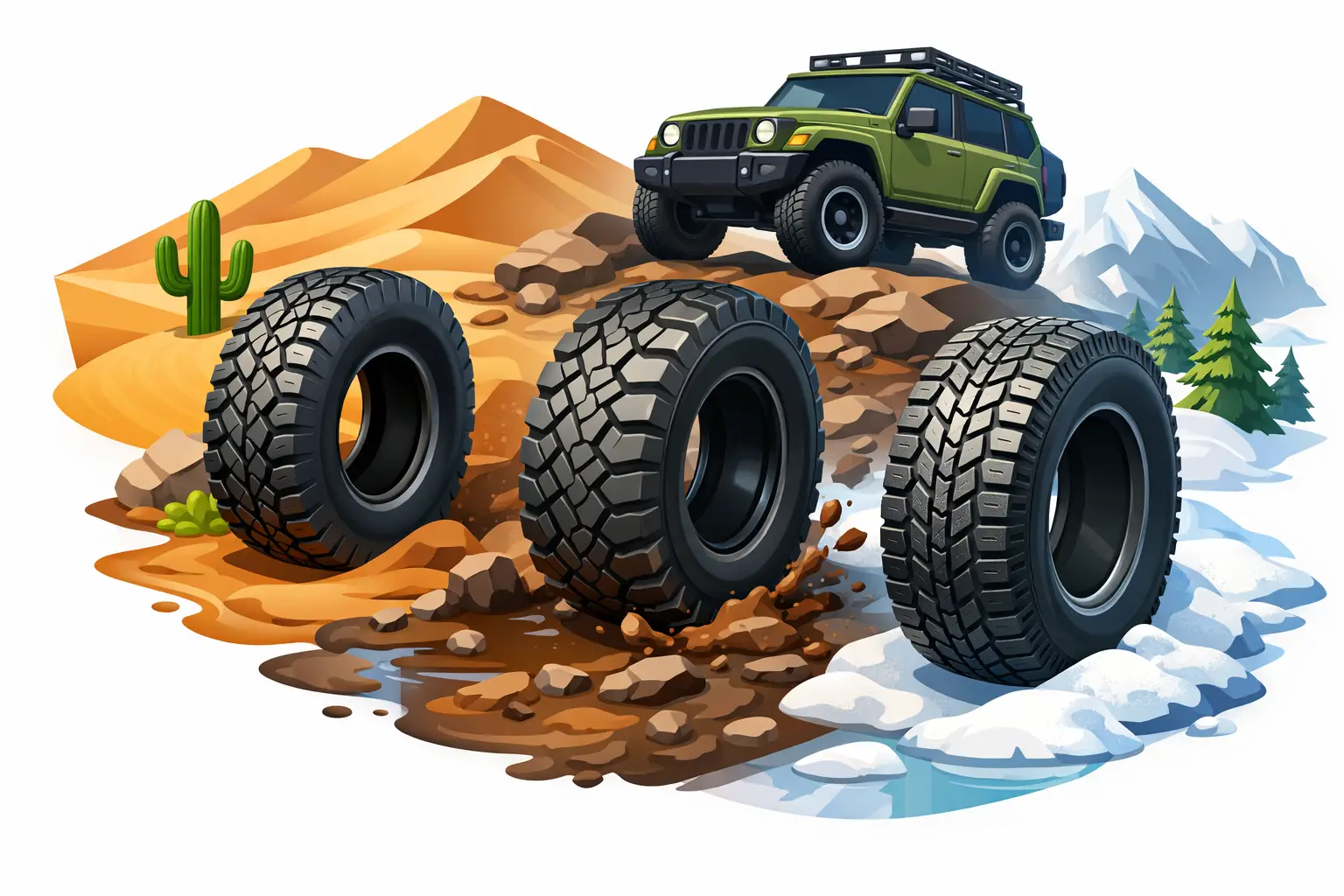
A 4×4 can feel unstoppable right up until the tires are wrong for the job. That is why choosing the best tires for 4×4 use is less about picking the most aggressive tread and more about matching the tire to how you actually drive – on-road, off-road, loaded, or all of the above.
For most drivers, the smartest choice is not the most extreme one. A tire that looks perfect on a lifted trail build may be noisy, heavy, and wasteful on a daily-driven SUV. On the other hand, a highway-friendly tire can run out of grip fast when sand, loose gravel, rocks, or mud enter the picture. The right answer depends on terrain, weather, vehicle weight, and how much comfort you are willing to trade for traction.
How to choose the best tires for 4×4 driving
Start with the reality of your weekly driving, not your once-a-year trip. If your 4×4 spends most of its time on paved roads with the occasional desert run or campsite trail, an all-terrain tire is usually the sweet spot. If you regularly tackle deep mud, sharp rocks, or demanding off-road routes, a mud-terrain tire may be worth the extra road noise and shorter tread life.
Load rating matters just as much as tread pattern. Heavier SUVs, pickups, and fully loaded overland builds put far more stress on a tire than a lightly used family crossover. A tire with the right load index and sidewall strength will carry weight more safely, resist damage better, and feel more stable under braking and cornering.
Then there is size. Going bigger can improve ground clearance and off-road presence, but it can also affect gearing, fuel economy, steering feel, and ride quality. Oversized tires may require suspension changes, trimming, or wheel offset adjustments. If you want a direct replacement with no surprises, staying close to the original equipment size is usually the safest move.
The main 4×4 tire types and where each works best
All-terrain tires
If one tire type suits the widest range of 4×4 owners, it is the all-terrain. These tires are built to balance road comfort with off-road capability. You get stronger sidewalls and a more open tread than a standard highway tire, but without the constant hum and harsher feel of a dedicated mud tire.
For drivers in Bahrain and across the Gulf who split their time between city roads, highways, work sites, and weekend off-road trips, this category is often the best value. It delivers dependable grip on loose surfaces, handles heat well when bought in the right specification, and keeps daily driving manageable. It is also the easier choice for family SUVs that need to stay comfortable and predictable.
Mud-terrain tires
Mud-terrain tires are for drivers who need serious bite. Their large tread blocks, wide voids, and reinforced construction help them dig through soft ground and hold up on punishing terrain. They also give many 4×4 builds the rugged look owners want.
The trade-off is real. Mud-terrain tires are usually louder on the highway, less refined in wet road handling, and quicker to wear if the vehicle spends most of its life on pavement. They can be the right tool, but they are not the right answer for everyone.
Highway-terrain tires
A highway-terrain tire can still make sense on some 4×4 vehicles, especially if the vehicle is used mainly for commuting, school runs, long road trips, and light gravel travel. These tires prioritize comfort, quiet running, and fuel efficiency.
What they do not offer is the sidewall protection and loose-surface traction many 4×4 owners expect. If your idea of off-road driving goes beyond maintained tracks, this category can feel limiting fast.
Best tires for 4×4 owners by driving style
The easiest way to narrow the field is to shop by use case.
If you drive mostly on-road with occasional off-road use, look for a premium or mid-range all-terrain tire with strong wet grip, stable highway manners, and a tread pattern that clears sand and gravel well. This setup gives you flexibility without punishing you every day.
If your 4×4 is a workhorse that carries tools, cargo, or towing loads, focus on load capacity, sidewall durability, and heat resistance. Commercial-grade construction and the right load range matter more here than aggressive styling.
If off-road performance is the priority, especially over rocks, ruts, and muddy sections, choose a tougher all-terrain or a true mud-terrain. Look closely at sidewall design, puncture resistance, and tread block spacing. Grip is not just about the face of the tire. Sidewall strength often decides whether a trip continues or ends early.
If you want a clean balance between price and performance, there are strong options across premium, mid-range, and value brands. The best tire is not always the most expensive one. It is the one that fits the vehicle correctly, matches your terrain, and delivers the service life you expect.
What really matters beyond tread pattern
A lot of buyers focus on tread alone, but there are other details that shape performance.
Rubber compound has a huge effect on grip and wear. Softer compounds can improve traction but may wear faster, especially in high temperatures and under heavy loads. Harder compounds may last longer but can give up some ride comfort and outright grip.
Sidewall construction deserves attention too. A stronger sidewall helps resist cuts and impacts when you air down or drive through rough terrain. It can also improve confidence when the vehicle is heavily loaded. The downside is that stronger casings often ride firmer.
Noise is another factor many people underestimate. Aggressive tread patterns can look great in the parking lot but become tiring on daily commutes. If your 4×4 is also your family car, road manners matter.
Finally, check speed and load ratings carefully. A tire that fits physically is not always the right tire for the vehicle. Matching the proper specification protects safety, handling, and durability.
Premium, mid-range, or value: what makes sense?
Premium tires usually offer the strongest overall balance of grip, refinement, longevity, and engineering. They are a smart fit for drivers who keep their vehicles for years, travel often, or expect consistent performance across mixed conditions.
Mid-range options can be excellent for buyers who want reliable performance without paying top-tier pricing. In many cases, this is where the value sweet spot sits, especially for daily-driven 4x4s that need dependable all-around capability.
Value brands have their place too, particularly for budget-conscious replacement needs or lower annual mileage. The key is to buy from a trusted retailer that offers genuine products, clear sizing support, and professional fitment. That reduces the risk of choosing a tire that saves money upfront but costs more in wear, comfort, or safety later.
Common mistakes when buying the best tires for 4×4 vehicles
One common mistake is buying for appearance first. A more aggressive tire is not automatically a better tire. If the vehicle rarely leaves pavement, that extra tread may only add noise, rolling resistance, and expense.
Another mistake is ignoring age, not just wear. Even if the tread looks decent, older tires can harden and lose performance. That matters even more in hot climates, where heat accelerates aging.
Some drivers also mix tire types or sizes in ways that upset handling and drivetrain behavior. On many 4×4 systems, keeping a matched set is the safer choice. Consistency helps the vehicle work as intended.
And many people wait too long to replace worn tires. Off-road ability drops gradually, so it is easy to miss the decline until traction is suddenly not there when you need it.
Getting the right fit without the guesswork
Choosing the right 4×4 tire should feel practical, not complicated. Start with your current tire size or your vehicle details. Then narrow by terrain, brand preference, budget, and expected mileage. If you are unsure between two categories, lean toward the one that matches your daily use, because that is where you will feel the difference most.
This is also where service matters. A wide selection helps, but so does proper fitment, balancing, and alignment. GCC Tires makes that process easier by combining recognized brands, clear compatibility options, and professional installation support so you can buy with more confidence and less trial and error.
The best 4×4 tire is the one that gives you control when the road changes, comfort when the miles add up, and value long after the first drive. Buy for the way you really use your vehicle, and your tires will work harder where it counts.



 Get This Deal