


















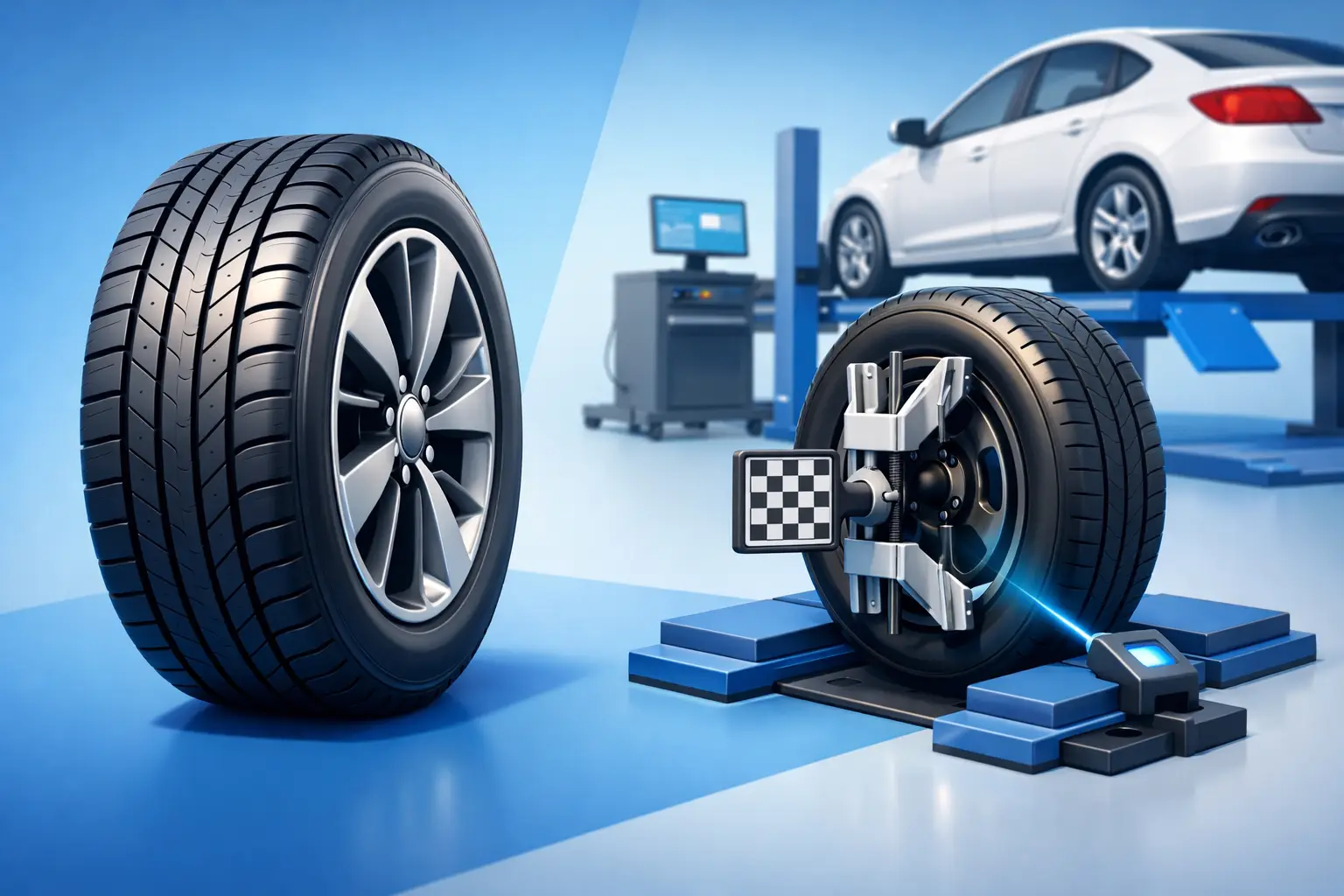
You fit a new set of tires, expect a smoother drive, and then the car still pulls slightly to one side. That is usually when the question comes up: do new tyres need alignment? The short answer is not always, but very often it is a smart move. New tires do not automatically change your alignment, but replacing worn rubber can expose steering and suspension issues that were already there.
If you want the best grip, even wear, and full value from your tire investment, alignment matters more than most drivers realize. It is one of the simplest ways to protect tread life, improve straight-line stability, and make sure your vehicle feels right from the first mile.
Do new tyres need alignment after fitting?
Not in every case. If your old tires wore evenly, the vehicle drove straight, the steering wheel was centered, and there are no suspension issues, you may not need an alignment immediately after fitting new tires. A professional installer can often tell from the condition of the old tires whether alignment is likely to be a concern.
That said, many vehicles benefit from a check at the same time. Alignment angles can drift gradually from potholes, curb strikes, speed bumps, worn suspension parts, or just day-to-day driving. You may not notice the problem while driving on worn tires because the symptoms build slowly. Once new tires go on, the sharper tread and fresh sidewalls make those issues easier to feel.
This is why drivers often think the new tires caused the problem. In reality, the tires usually revealed it.
Why alignment matters more with new tires
A fresh tire has full tread depth, better responsiveness, and more consistent contact with the road. That is exactly what you want, but it also means the tire is less forgiving of poor alignment. If the wheels are not set correctly, the tread can start wearing unevenly much earlier than it should.
The biggest concern is cost. Tires are not cheap, especially if you are buying for an SUV, 4×4, performance sedan, or commercial vehicle. If alignment is off, even slightly, you can lose thousands of miles of usable tread life. That turns a solid tire purchase into an avoidable expense.
There is also the safety side. Bad alignment can reduce stability during braking, make the car wander at highway speeds, and increase driver fatigue on longer trips. In a region where heat, highway driving, and mixed road conditions put extra demand on tires, getting the basics right is part of driving with confidence.
The signs your vehicle needs alignment
Sometimes the clues are obvious. Sometimes they are hidden in the old tires you just removed.
If the car pulls left or right on a flat road, that is a common sign. If the steering wheel sits off-center when driving straight, that is another. You may also notice the vehicle feels nervous at speed, or that you are making constant small steering corrections to keep it in lane.
Uneven tire wear is one of the clearest indicators. If the inner edge of the old tire is worn more than the outer edge, or vice versa, alignment should be checked. Feathering across the tread can also point to toe settings being off. Cupping may involve suspension issues as well, which means alignment alone may not be the full fix.
This is where professional fitment adds real value. A proper inspection looks beyond the tire itself. If ball joints, control arm bushings, tie rods, or shocks are worn, alignment may not hold until those parts are repaired.
When alignment is strongly recommended
There are situations where alignment is not just a nice extra – it is the sensible choice.
If your previous tires showed uneven wear, get an alignment check. If you recently hit a pothole or curb, get it checked. If you replaced steering or suspension components, alignment is usually necessary. If the vehicle has been pulling, wandering, or the steering wheel is crooked, do not skip it.
It is also worth checking when moving to a different tire type or profile. For example, performance tires, lower-profile fitments, and wider SUV or 4×4 sizes can make alignment issues feel more noticeable. The tire is not the problem, but a more responsive setup tends to make the vehicle less tolerant of existing geometry issues.
For drivers who carry heavy loads, tow regularly, or use commercial vehicles, alignment checks can be especially worthwhile. Extra load can increase wear stress, and small setup issues become more expensive over time.
When you might not need alignment right away
There are cases where a full alignment is not essential on the same day as tire fitting. If the vehicle has had a recent alignment, the old tires wore evenly, and the car still tracks straight with no steering issues, you may be fine.
But there is a difference between skipping alignment and skipping the check. Even if no adjustment is needed, having the alignment measured gives you peace of mind. It confirms that your new tires are starting life on the right footing.
For many drivers, that check is the smarter standard. It avoids guesswork and helps protect the value of the new set.
Do balancing and alignment mean the same thing?
No, and this is where many buyers get mixed up.
Wheel balancing makes sure the weight of the tire and wheel assembly is evenly distributed. If a wheel is out of balance, you may feel vibration through the steering wheel or seat, especially at higher speeds.
Alignment sets the angles of the wheels so they meet the road correctly and point in the proper direction relative to each other and the vehicle. If alignment is off, the car may pull, the steering may feel off-center, and the tires may wear unevenly.
You need balancing whenever tires are installed. Alignment depends on vehicle condition and symptoms, but checking it during tire replacement is often the best time.
What alignment actually adjusts
Most alignments involve measuring and adjusting toe, camber, and caster where the vehicle allows.
Toe affects whether the tires point slightly inward or outward when viewed from above. Even a small toe error can scrub tread quickly. Camber is the inward or outward tilt of the wheel when viewed from the front. Too much negative or positive camber can wear one edge of the tire faster. Caster affects steering stability and return-to-center feel.
Not every vehicle has full adjustment on all angles from the factory. Some may need additional hardware if correction is required beyond the standard range. That is another reason inspection matters. The numbers tell the story better than guesswork.
New tires can feel different even with correct alignment
Sometimes drivers worry about alignment because the car feels different right after installation. That does not always mean something is wrong.
New tires can feel firmer, quieter, or more responsive than worn ones. Tread pattern, sidewall construction, tire brand, and inflation pressure all affect road feel. A performance tire will not feel like a touring tire. An all-terrain tire on a 4×4 may track differently than a highway-focused pattern.
Still, there is a line between normal change and a real issue. If the steering wheel is off-center, the car drifts consistently, or the old tires showed uneven wear, do not assume the feeling will settle on its own.
How alignment protects your tire investment
Buying new tires should deliver better braking, stronger road grip, and a more stable drive. Alignment helps you keep those benefits for longer.
Proper alignment reduces rolling resistance caused by the tires fighting each other. That can help with fuel efficiency. It keeps tread wear more even across the full contact patch, which improves service life. It also helps the vehicle behave more predictably in wet conditions and emergency maneuvers.
For drivers choosing between premium, mid-range, or budget tires, this matters equally. Better alignment does not only protect high-end tires. It protects every dollar you spend.
That is why service packages that include fitment, balancing, and alignment support make practical sense. At GCC Tires, that combination is built around one goal: helping drivers get the right tire, fitted properly, so they can drive away with confidence instead of questions.
So, do new tyres need alignment?
The honest answer is this: new tires do not automatically require alignment, but many vehicles should have it checked when tires are replaced. If there are signs of uneven wear, pulling, off-center steering, suspension work, or impact damage, alignment is strongly recommended. If everything was already wearing and driving perfectly, an adjustment may not be needed, but a check is still a smart safeguard.
A new set of tires should feel like an upgrade, not a gamble. If you are investing in fresh rubber, make sure the vehicle is set up to use it properly. A quick alignment check today can save tread, fuel, and frustration long after the install is done.




 Get This Deal