


















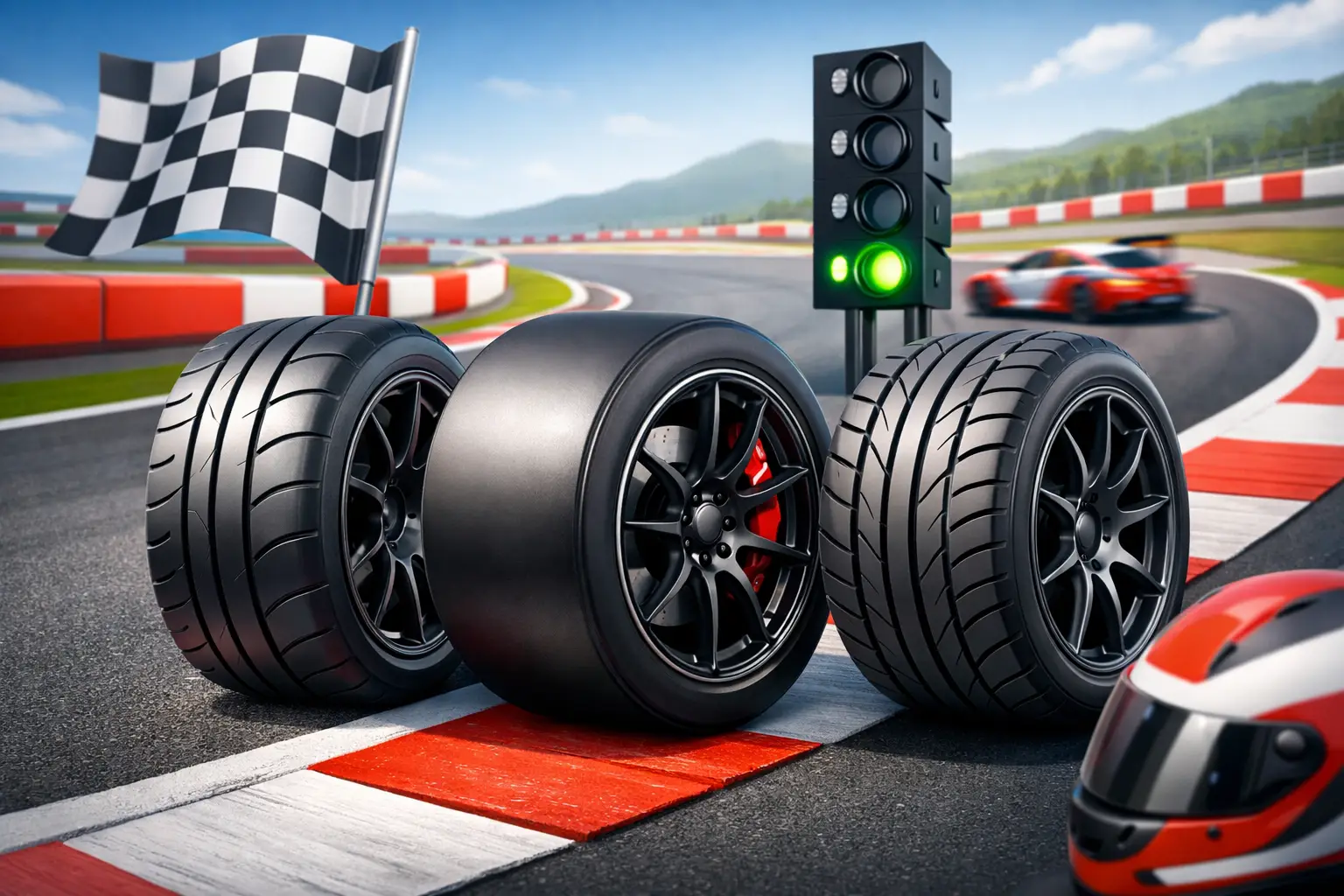
A fast lap can disappear in one corner when the tires are wrong. Too soft, and they overheat before your second session. Too hard, and the car never really switches on. If you are shopping for the best tires for track day, the right answer is not just the stickiest option on the shelf. It is the tire that matches your car, your pace, the track surface, and how you actually drive.
For most drivers, that starts with being honest about the job. A dedicated trailer car can run a much more aggressive tire than a daily-driven performance sedan that needs to survive the drive home. A lightweight coupe also asks very different things from a tire than a heavy turbo hatch or V8 sedan. Grip matters, but so do heat tolerance, steering feel, braking stability, wear rate, and value per session.
How to choose the best tires for track day
The biggest mistake buyers make is choosing by hype alone. Track tires are not all built for the same purpose, even when they sit in the same ultra-high-performance category. Some are tuned for fast warm-up and predictable handling. Others are designed for peak dry grip at the cost of noise, comfort, and tread life.
If this is your first or second event, a max-performance street tire is often the smarter move than a near-slick 200-treadwear tire. You get better wet-weather margin, more forgiving breakaway, and less pressure to manage heat perfectly. For intermediate and advanced drivers chasing lap time, a more aggressive 200TW tire usually delivers sharper turn-in, stronger lateral grip, and better consistency once temperatures build.
Your car setup also matters more than many drivers expect. Alignment, tire pressure, brake temperatures, and even suspension condition change how a tire performs. A great tire on a poor setup can feel average. A good tire on a sorted car can feel excellent. That is why fitment accuracy is not just a shopping detail. It directly affects performance and safety.
What makes a track day tire actually good?
A good track day tire does three things well. It reaches operating temperature without taking forever, it stays consistent across repeated laps, and it talks to the driver before grip falls away. That last point matters. Predictability builds confidence, and confidence usually makes drivers faster than raw grip alone.
Sidewall construction plays a big role here. A stiffer sidewall sharpens steering and helps the tire hold shape under load, especially during hard transitions. Compound design matters just as much. Softer compounds can produce strong grip, but they may heat-cycle out quickly or wear faster on abrasive tracks. Harder compounds tend to last longer and tolerate repeated sessions better, but they may need more speed and heat to feel alive.
Weather should stay in the conversation too. Many track-focused tires are brilliant in hot, dry conditions and far less reassuring when the surface turns damp. In Gulf heat, this becomes even more relevant. High ambient temperatures can push some compounds past their comfort zone, especially on heavier cars. If you regularly attend open-lapping events in very warm conditions, consistency and heat resistance may be more valuable than chasing the absolute highest grip number.
The main tire categories for track use
Street performance tires are the easiest entry point. They are usually quieter, safer in the wet, and more practical for mixed driving. On track, they can work very well for beginners and casual enthusiasts, but they often surrender earlier under repeated hard laps. You may notice greasy handling or longer braking as temperatures rise.
Next are 200TW extreme-performance tires, which have become the sweet spot for many track day drivers. This category typically offers the best balance of dry grip, steering response, and usable durability without going into full competition rubber. If you drive to the track, run multiple sessions, and still want acceptable road manners, this is often where the best value lives.
Then there are track-only or competition-oriented tires. These can be incredibly fast, but they ask for commitment. They may wear quickly, dislike standing water, and perform best with careful pressure management. For some drivers, they are exactly right. For others, they create extra cost and complexity without making the day more enjoyable.
Best tires for track day by driver type
If you are a beginner, choose control over ego. A tire with progressive breakaway and decent tread life gives you more learning time and fewer surprises. You will feel the car moving around, understand how it loads the outside tire, and build better habits under braking and corner exit. Going too aggressive too early can mask technique and increase running costs.
If you are an intermediate driver, this is usually where a stronger 200TW option makes sense. You are likely carrying more speed, leaning harder on the front axle, and starting to care about consistency from session to session. A tire in this zone can reward clean inputs and let you work on pressure tuning, alignment changes, and repeatable pace.
If you are advanced and focused on lap times, the best tires for track day will depend on whether the car is street-driven or purpose-built. A dual-use car still benefits from a balanced setup that can survive heat cycles, highway miles, and occasional weather changes. A dedicated track build can exploit more specialized rubber, but only if the suspension, camber, and brake package are prepared to use it properly.
Popular track day tire traits worth looking for
The names and brands on the market are broad, but the traits that matter are easy to understand. Look for strong dry grip, stable braking, and consistent shoulder support under repeated load. That usually points to a tire with a performance-focused compound and a reinforced construction.
Also pay attention to wear pattern behavior. Some tires stay remarkably even across the tread when pressures and alignment are close. Others can punish a poor setup quickly by overheating the shoulders or tearing the tread surface. If your car is heavy, front-wheel drive, or turbocharged, the difference becomes even more noticeable.
Noise and ride comfort may sound secondary, but they matter if you drive the same set on the road. Some aggressive tires drone on the highway, follow grooves, or feel harsh over expansion joints. That may be acceptable for a weekend machine, but less so for a daily driver. The right choice is the one you will actually enjoy using, not just the one that looks fastest in a forum post.
Why sizing and fitment matter more than brand hype
Track performance starts with correct sizing. A tire that is too narrow may overwork and overheat. Too wide for the wheel or chassis, and you can lose steering precision, add rubbing issues, or make the tire harder to warm up. Profile also affects response. A shorter sidewall can feel sharper, but it may reduce compliance over curbs and rough surfaces.
Load rating and speed rating should never be treated as afterthoughts. On track, the tire sees sustained load, repeated heat cycles, and aggressive braking forces. You want a tire built to carry the car confidently under those conditions. This is where buying from a retailer that can match size, vehicle, and use case accurately becomes a real advantage.
For drivers who want a simpler buying process, GCC Tires makes this easier by letting you shop by size, brand, vehicle, and performance category, then complete the job with professional fitment support. That means less guesswork and a better chance of ending up with a tire that works on both the product page and the track.
Budget, wear, and real value per session
The cheapest tire is rarely the best value for track use. A lower-priced option that overheats quickly or wears out after a few events can cost more per session than a better tire with stronger consistency. At the same time, the most expensive tire is not automatically the smartest buy. If your pace or setup cannot use that extra performance, you are paying for capability you may never reach.
Real value comes from matching the tire to your use. If you run a few events per year and drive the car regularly, a well-chosen extreme-performance street tire may deliver the best return. If you attend frequent events and monitor pressures carefully, spending more on a tire with better heat tolerance can save frustration and produce more usable laps.
It also helps to budget for the full picture. Alignment, balancing, and proper installation affect how the tire performs from day one. A tire mounted and set up correctly will usually wear better, feel better, and inspire more confidence under load.
Before you buy, ask these practical questions
Be clear about whether you are driving to the track or trailering the car. Consider how hot your local conditions get, how many sessions you typically run, and whether wet-weather safety matters. Think about your current alignment and whether the car tends to understeer, overheat fronts, or struggle with traction on corner exit.
Those answers narrow the field quickly. They also keep you from overspending on a tire that does not fit your actual use. The best track day setup is rarely the most extreme one. It is the one that gives you repeatable grip, honest feedback, and enough durability to keep showing up.
The right tire should make the car feel settled when the speed rises and predictable when the limit gets close. Buy for your real pace, your real car, and your real conditions, and your next track day will feel faster long before the stopwatch confirms it.


 Get This Deal