


















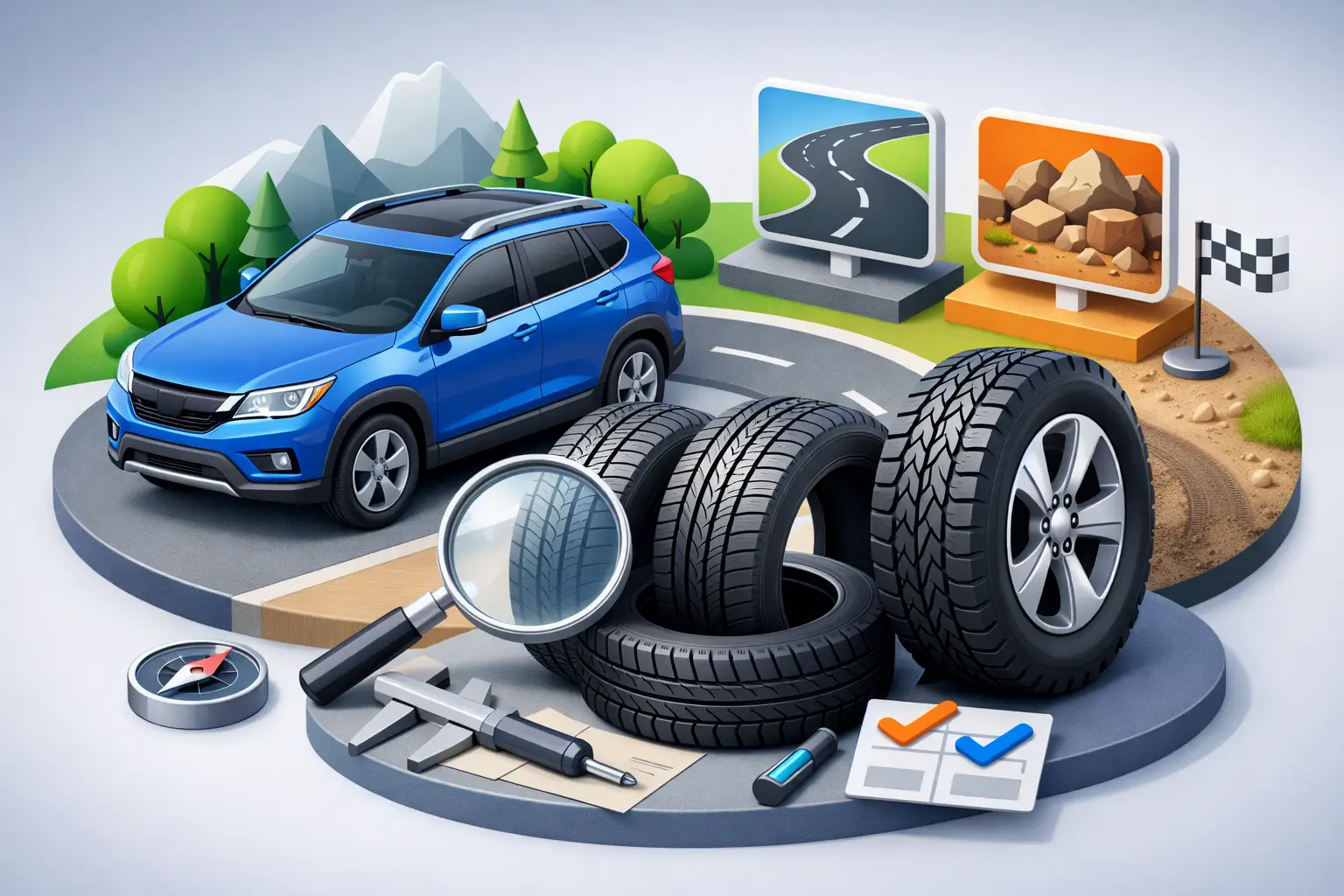
An SUV that feels planted in traffic, stable on the highway, and confident on rough roads usually has one thing in common – the right suv tyres. Get that choice wrong, and even a well-built vehicle can feel noisy, vague, or less secure when you need grip most. For family driving, daily commuting, weekend desert runs, or long-distance highway travel, tyre choice has a direct impact on safety, comfort, fuel use, and value.
Why suv tyres are different
SUVs are heavier than standard passenger cars, and that extra weight changes what the tyre needs to handle. Braking loads are higher, cornering forces are stronger, and the tire has to support more mass without losing stability. That is why suv tyres are built with different load capabilities, reinforced construction in many cases, and tread designs aimed at balancing grip, durability, and ride comfort.
The right tyre also depends on how the vehicle is actually used. Some SUVs rarely leave paved roads and need quiet highway manners with long tread life. Others split time between city roads, construction zones, gravel, and sand. A performance SUV has another priority entirely – sharper steering response and stronger high-speed stability. One label does not fit every SUV, even if the size matches.
Start with the correct size and rating
Before looking at brand, tread pattern, or price, confirm the exact tyre size recommended for your vehicle. You will see a code like 265/65R17 on the sidewall. That code tells you the width, aspect ratio, construction type, and wheel diameter. Matching this is essential because the wrong size can affect handling, speedometer accuracy, braking, and clearance.
Load index and speed rating matter just as much. Many SUV owners focus only on width and rim size, then overlook whether the tire can carry the vehicle safely. If you regularly drive with passengers, luggage, or work gear, the correct load rating is non-negotiable. Speed rating should also match the vehicle requirement, especially for highway use and larger crossovers with stronger engines.
If you want to change size for appearance or a different driving purpose, that needs care. A wider tire may improve road presence and dry grip, but it can also increase noise, affect ride quality, and sometimes reduce efficiency. Going too far from the manufacturer recommendation can create more problems than benefits.
Choosing suv tyres by driving style
For daily road use
If your SUV spends most of its time in the city or on highways, a road-focused tire is usually the smartest choice. These tires are designed for low road noise, predictable wet and dry grip, and better comfort over long distances. They also tend to deliver better tread life than more aggressive patterns.
This option suits family SUVs, urban crossovers, and drivers who want a smooth, quiet ride with dependable braking. If comfort, control, and value are your priorities, road-oriented tyres are often the strongest fit.
For mixed road and light off-road driving
Some drivers need a tire that can handle paved roads during the week and rougher ground on weekends. In that case, all-terrain patterns make more sense. They offer stronger sidewalls in many models, chunkier tread blocks, and better traction on loose surfaces like gravel, dirt, and sand.
The trade-off is clear. You may get more noise, a firmer ride, and sometimes shorter tread life on pavement compared with a pure highway tyre. But for drivers who need versatility, that compromise can be worth it.
For performance SUVs
High-powered SUVs put very different demands on tyres. These vehicles need stronger cornering grip, precise steering feel, and heat resistance at speed. Performance-focused tyres are built for that job, but they usually wear faster and may not be ideal for rough roads or drivers who want maximum mileage.
If you own a performance SUV, buying a cheaper general-purpose tire can undercut the vehicle’s handling and braking. In this case, fitment should match the capability of the vehicle, not just the price point.
Tread pattern, compound, and real-world grip
Many buyers look at tread pattern first because it is visible, but the rubber compound matters just as much. Tread design helps channel water, manage noise, and create traction edges. The compound affects grip, heat management, and wear rate. A tyre that looks aggressive is not automatically the best option for your needs.
For highway drivers, a pattern designed for efficient water evacuation and lower rolling resistance can be a better choice than a blocky all-terrain layout. For off-road use, larger tread voids and stronger shoulders can improve traction where a highway tire would struggle. What works best depends on your road surface, climate, and driving habits.
Wet grip deserves special attention. Strong wet braking performance can make a real difference in emergency situations, especially with a heavier SUV. If you compare options in the same size, looking at braking and traction performance is often more useful than focusing only on appearance or brand reputation.
Premium, mid-range, or value?
This is where many SUV owners hesitate, and fairly so. Premium tires usually offer stronger refinement, better wet grip, more consistent performance, and better engineering around wear and fuel efficiency. Mid-range brands can deliver very good everyday performance at a more accessible price. Value tyres appeal to budget-conscious buyers, especially when immediate replacement is the priority.
There is no single right answer for everyone. If you drive long distances, carry family regularly, or want low noise and reliable wet performance, spending more can be worth it over the life of the tyre. If your driving is lighter and budget matters most, a reputable mid-range option may hit the sweet spot. The key is buying from a trusted source with genuine branded products and proper fitment support, not chasing the lowest number without checking suitability.
What to watch for when replacing suv tyres
Uneven wear
If the old tires are worn more on one edge than the other, replacing them without checking alignment can waste money quickly. Uneven wear often points to alignment or suspension issues, and new tires will suffer the same fate if the root cause is ignored.
Age as well as tread depth
A tyre can still have usable tread and still be a poor choice to keep using. Heat, storage conditions, and time all affect rubber. In hot climates especially, age matters. If the sidewalls show cracking or the tire has been in service for years, replacement may be the safer move even if the tread does not look fully worn.
Mixing patterns or brands
Sometimes drivers replace only one or two tyres to save money. That can work in some cases, but mixing very different tread patterns or performance levels can upset handling balance. On SUVs, where stability matters, a matched set is usually the better route when possible.
The fitment side matters too
Buying the right tire is only half the job. Proper installation, balancing, and alignment all affect how the tyre performs from day one. A quality tire fitted poorly can feel worse than an average tire fitted correctly.
That is why a service-led buying process matters. The best experience is one where you can match the right size, compare trusted brands, secure fair pricing, and complete installation through professional fitment partners without guesswork. GCC Tires is built around exactly that kind of practical, confidence-first process.
How to narrow your choice faster
If you are comparing too many options, simplify the decision with three filters. First, match the exact size, load index, and speed rating your vehicle requires. Second, choose the category that fits your real driving habits – highway, all-terrain, or performance. Third, set a realistic budget range and compare trusted brands within it.
That approach saves time and usually leads to a better result than shopping by price alone. It also helps avoid the common mistake of overbuying an aggressive tire you do not need or underbuying a tire that cannot match the demands of your SUV.
When the cheapest option costs more
Low upfront pricing can look attractive, especially if you need replacement tyres quickly. But if the tire wears out early, increases fuel use, creates more road noise, or delivers weaker wet braking, the savings can disappear fast. Value is not just what you pay today. It is what the tire gives back over months of use.
A well-chosen SUV tyre should make your vehicle feel composed, predictable, and ready for the miles ahead. When size, rating, driving style, and fitment all line up, you feel the difference every time you pull away, brake hard, or take a long road trip with a full cabin.


 Get This Deal