











You do not notice tyre load index until you are replacing tires, comparing prices, or trying to fit a different brand. Then suddenly there is a number on the sidewall that seems easy to ignore. It should not be. If you have ever searched for tyre load index explained, the short answer is simple: it tells you how much weight one tire can safely carry when properly inflated.
That number matters more than most drivers think. Choose a tire with the wrong load index and you are not just making a technical mistake – you are affecting braking, heat buildup, stability, tread life, and overall safety. For family SUVs, work vehicles, loaded sedans, and 4x4s in hot Gulf conditions, getting this right is part of driving with confidence.
What the tyre load index actually means
The load index is a numerical code printed on the tire sidewall. It does not show the weight directly. Instead, each number matches a maximum load capacity from a standard reference chart.
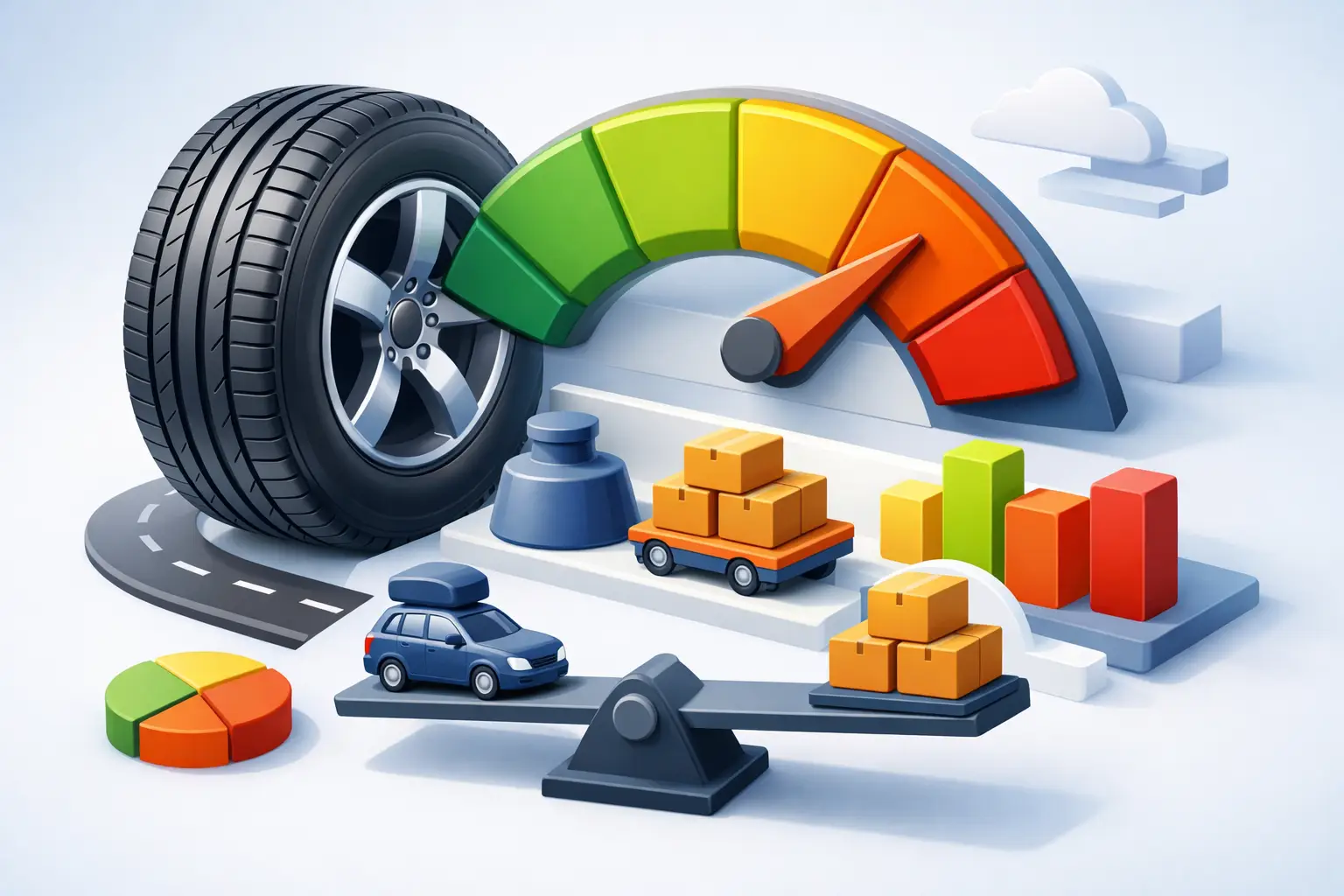
For example, a tire marked 91 can carry less weight than a tire marked 95, and a tire marked 105 can carry much more than both. The higher the number, the greater the tire’s load-carrying ability, assuming correct inflation and normal operating conditions.
You will usually see the load index next to the speed rating. A sidewall marking such as 225/45R17 94W means 94 is the load index and W is the speed rating. These two ratings work together, but they are not the same thing. One is about weight. The other is about speed capability.
Why tyre load index explained matters when buying replacement tires
Most drivers shop by tire size first, and that makes sense. But size alone is not enough. Two tires can share the same size and still have different load indexes.
That is where people get caught out. A cheaper option may physically fit the wheel, but if its load index is lower than the vehicle requirement, it is not the correct replacement. On the other hand, a tire with a higher load index may be acceptable if it matches your vehicle’s needs and other specifications, though ride comfort and pricing can vary.
For everyday drivers, this comes down to one question: can the tire safely support the weight your vehicle puts on it? That includes passengers, cargo, fuel, and the vehicle itself. If you drive an SUV, carry tools for work, travel with family, or use a pickup for mixed road use, load index is not a detail to skip.
How to find the correct load index for your vehicle
The safest place to start is your vehicle manufacturer’s recommended specification. You can usually find it on the driver’s door jamb sticker, in the owner’s manual, or on the sidewall of the original equipment tires if they are still fitted.
The key point is this: your replacement tire should meet or exceed the original required load index unless a qualified professional advises otherwise for a specific application. Dropping below the required rating is where the real risk begins.
If your car came with a 94 load index tire, replacing it with a 91 just because the size matches is not a smart shortcut. The tire may mount correctly, but that does not make it suitable.
What happens if the load index is too low
A tire with an insufficient load rating can flex more than intended under weight. That extra stress creates heat, and heat is one of the biggest enemies of tire durability. In high ambient temperatures and long highway use, the problem can build quickly.
You may also see poorer handling, weaker cornering support, and faster wear. In worst-case situations, overloading a tire can contribute to failure. This is especially relevant for larger vehicles, long-distance driving, and heavily loaded daily use.
The issue is not always dramatic at first. Sometimes it shows up as vague steering, uneven tread wear, or a tire that seems to age too fast. Drivers often blame the brand, when the real issue is that the tire specification was wrong from the start.
Is a higher load index better?
Sometimes yes, but not automatically.
A higher load index means the tire is built to carry more weight. That can be useful if your vehicle regularly carries passengers, luggage, equipment, or towing loads. It can also provide peace of mind for certain SUV and commercial-style applications.
But higher is not always better in every sense. Depending on the tire design, a higher load-rated tire may have a firmer construction, which can affect ride comfort. It may also cost more. For performance drivers, the tire’s overall character matters just as much as the rating. You want the right balance of load capacity, handling, comfort, and intended use.
So the goal is not to chase the highest number. The goal is to choose the correct number for your vehicle and driving needs.
Load index, XL tires, and reinforced construction
You may also come across tires marked XL, which stands for Extra Load. These tires are designed to carry more weight than a standard load version of the same size, usually with higher inflation support.
This is common on heavier sedans, crossovers, SUVs, and performance vehicles. In some cases, the vehicle manufacturer specifically requires XL or reinforced tires. If that is the case, replacing them with standard load tires is not a like-for-like swap, even if the size looks identical.
This is where sidewall markings matter. Size is only one part of compatibility. Load index, speed rating, and load type all need to line up with what the vehicle requires.
Common examples that confuse buyers
One common mistake is comparing two tires in the same size and assuming they are interchangeable because the dimensions match. For instance, 235/55R19 tires can come with different load indexes depending on brand, tread pattern, and intended vehicle type.
Another point of confusion is moving from passenger car tires to SUV-focused or performance options. The fitment may be possible, but the correct choice depends on how the vehicle is used. A family SUV doing school runs and highway trips has different needs from a crossover carrying heavy loads every week.
Then there are drivers who want a lower-priced tire and focus only on the upfront cost. That can backfire if the tire wears faster, rides poorly under load, or is not rated correctly for the vehicle. Better value comes from buying the right specification once, not correcting a mismatch later.
How tire pressure affects load capacity
Load index only tells part of the story because a tire reaches its rated capacity under the right inflation conditions. If pressure is too low, the tire cannot support the load as intended.
That means even a correctly rated tire can struggle if it is underinflated. The sidewall flex increases, heat rises, fuel economy can drop, and wear accelerates. This is one reason regular pressure checks matter so much, especially before long trips or when carrying extra weight.
In practical terms, the right tire and the right pressure work together. One without the other is not enough.
When to ask for expert help
If you are replacing tires with the exact same size and specification as your current set, the process is straightforward. But if you are changing brands, upgrading wheels, fitting all-terrain tires, or shopping for a vehicle that handles mixed use, it is worth getting fitment advice.
That applies even more if you drive a premium SUV, performance sedan, 4×4, or commercial-use vehicle. These vehicles often place more demand on the tire, and small specification differences can affect safety and driving feel.
At GCC Tires, this is where practical guidance makes the buying process easier. The goal is not just to find a tire that fits. It is to match the right tire to your vehicle, your load needs, and the way you actually drive.
The simple rule to remember
If you forget the charts and codes, remember this: never go below your vehicle’s recommended load index, and never assume same size means same capability.
A tire carries more than your car. It carries your braking performance, your stability at speed, your comfort under load, and your margin of safety when the road, weather, or temperature is working against you. Get the load index right, and the rest of your tire choice starts from a much stronger place.