




















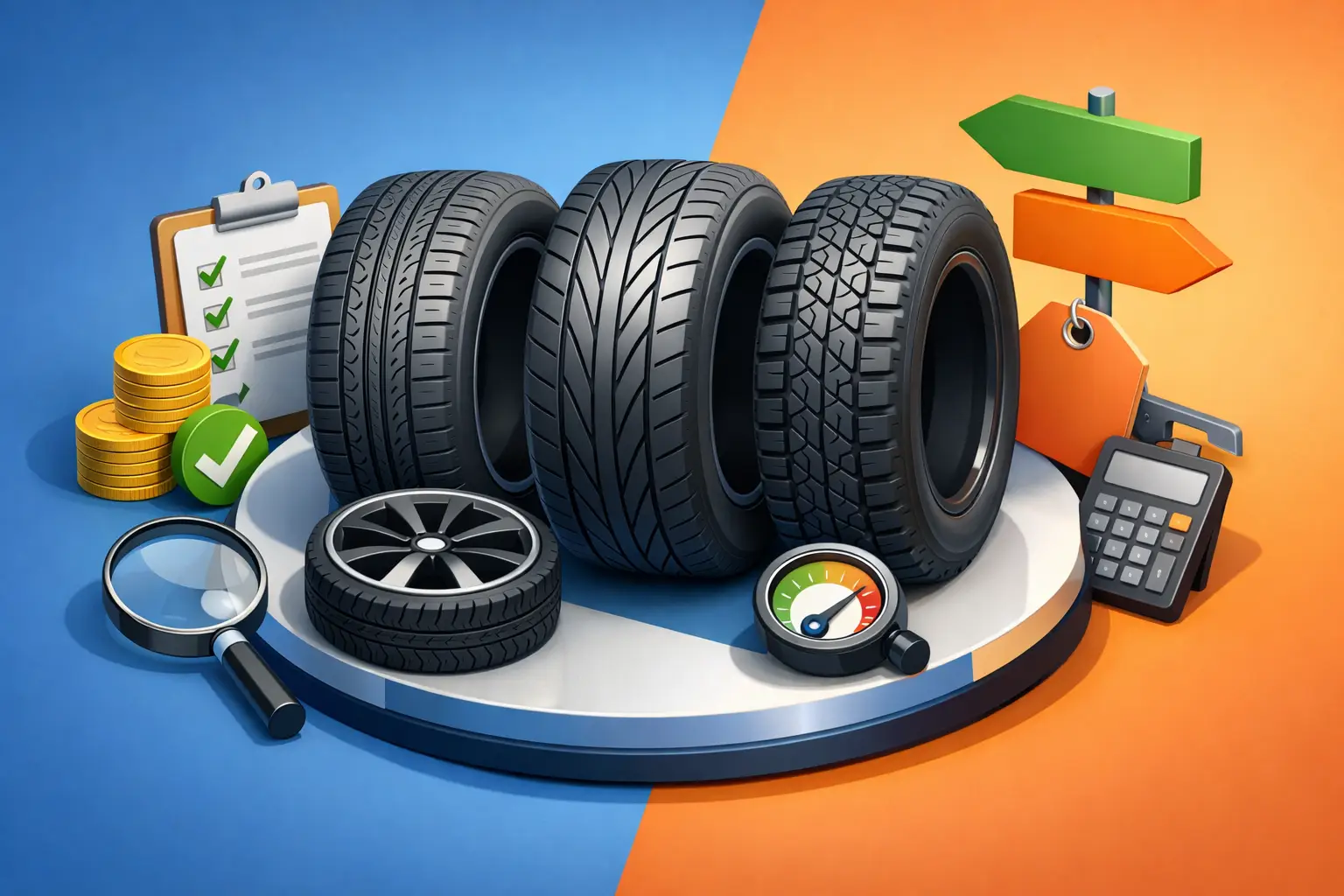
A low tire price can save you money at checkout. It can also cost you more a few months later if the ride gets noisy, the tread wears fast, or wet-road grip falls short. That is why shopping for the best budget tires is not really about finding the cheapest option. It is about finding the tire that gives you dependable safety, solid mileage, and the right fit for how you actually drive.
For most drivers, that balance matters more than a premium badge on the sidewall. Whether you commute daily, carry family in an SUV, run a work vehicle, or want a practical replacement set without overpaying, budget-friendly tires can be a smart buy when you know what to look for.
What best budget tires really means
The term gets used loosely. Some shoppers hear budget tire and think low quality. Others assume any discounted tire is a great deal. Neither is always true.
The best budget tires sit in the value space where price, safety, and durability meet. They are not necessarily the absolute cheapest tires available, and they are not trying to match every feature of a premium touring or performance tire. What they should do is deliver reliable everyday performance for a fair price.
That means predictable braking, stable handling, acceptable road noise, and tread life that makes sense for the money. If a tire is cheap but wears out early, it is not a value tire. If it saves a little upfront but hurts fuel economy or comfort noticeably, the deal becomes less attractive.
Start with the right tire size and load rating
Before comparing brands or prices, confirm the correct size. This is where many buyers go wrong. A tire can seem like a bargain until you realize it is not the proper fit for your vehicle, your load requirements, or your speed rating.
Check the numbers on your current tire sidewall or your vehicle placard. A size such as 225/45R17 tells you the width, aspect ratio, construction type, and wheel diameter. You also need to match the load index and speed rating unless a qualified expert recommends an approved alternative.
For SUVs, crossovers, and commercial applications, this matters even more. A lower-priced tire that cannot properly support the weight of the vehicle, passengers, or cargo is not a bargain. It is the wrong product.
Where budget tires make the most sense
Not every driver needs a premium tire. If your car is used mainly for commuting, school runs, city driving, and occasional highway trips, many value-focused tires can perform very well.
Budget tires also make sense when you are replacing tires on an older vehicle and want dependable performance without overspending relative to the vehicle’s value. The same applies to drivers who cover moderate annual mileage and do not need specialized performance features.
For 4x4s and SUVs, the answer depends more on use. If your vehicle spends most of its time on paved roads, a budget highway-terrain or all-season option may be enough. If you regularly drive off-road, tow, or carry heavy loads, paying a bit more for stronger construction and better traction is often worth it.
How to compare budget tires without guessing
Price is only one part of the comparison. A smarter way to shop is to look at what you are getting for that price.
Tread life is one of the biggest value factors. Two tires can be close in price, but if one delivers noticeably better longevity, your cost per mile improves. That is especially important for high-mileage drivers.
Wet grip should be near the top of your checklist. Dry-road performance is easy for many tires to handle. Wet braking and cornering are where differences show up quickly. A tire that feels stable in rain gives you more confidence and a bigger safety margin.
Ride comfort and noise also matter more than people expect. Some low-cost tires save money by compromising refinement. That may be acceptable on a short urban commute, but on longer highway trips it can become tiring.
Fuel efficiency is another area worth checking. Lower rolling resistance can help reduce operating costs over time. The savings may not be dramatic, but when combined with good tread life, it strengthens the value equation.
Best budget tires for different driving needs
The best choice depends on the vehicle and the job.
For sedans and compact cars, all-season touring tires are usually the sweet spot. They balance comfort, mileage, and everyday handling well. Most drivers in this category want quiet performance, stable braking, and a price that does not stretch the maintenance budget.
For family SUVs and crossovers, look for tires designed for weight, comfort, and highway stability. A bargain tire that feels soft or vague on a taller vehicle can affect driver confidence. In this category, spending slightly more for better structure can make a real difference.
For 4×4 and off-road-capable vehicles, be realistic about terrain. If you mostly drive on-road, aggressive all-terrain tread may look appealing but can bring more noise and faster wear. If you genuinely need dirt, gravel, or trail traction, then that trade-off may be worthwhile.
For performance cars, budget shopping gets more complicated. You can still find value, but there is less room to compromise. Grip, heat handling, and steering response matter more. Cheap tires on a powerful car can quickly feel out of place, especially under braking or fast cornering.
The trade-offs you should expect
Every tire category has trade-offs, and budget tires are no exception. A lower price may mean simpler tread design, shorter tread life, less refined ride quality, or reduced high-speed stability compared with premium alternatives.
That does not make the tire bad. It just means you should match expectations to your vehicle and driving style. If you want a tire for relaxed daily driving, you may be perfectly happy with a value-focused option. If you want sharp handling, maximum comfort, and premium wet performance all in one, the price usually rises.
This is why the best budget tires are not one universal model or one brand. The right answer depends on what you need most – longevity, comfort, wet grip, highway stability, or off-road capability.
Why brand mix matters when shopping value
A retailer with a wide range of premium, mid-range, and budget brands gives you a better chance of finding the right fit. That matters because the tire market is not split simply into good and bad. There are strong value brands that deliver excellent everyday performance, and there are mid-range options that sometimes offer a better long-term deal than the cheapest set on the page.
Being able to compare by size, vehicle, and performance category makes the decision faster and more accurate. It removes guesswork and helps you focus on products that actually suit your car and your budget.
At GCC Tires, that practical side of tire shopping is a major advantage. Instead of chasing random deals, drivers can narrow the field quickly, compare recognized brands, and move from selection to professional fitment without the usual friction.
Do not ignore installation and alignment
A good tire can perform badly if it is fitted incorrectly or paired with poor alignment. That is one reason the total buying experience matters, not just the product cost.
Proper balancing helps protect ride comfort and reduces uneven wear. Correct alignment helps the tire last longer and keeps the vehicle stable. If your old tires wore unevenly, replacing them without checking alignment can shorten the life of your new set.
This is where service value becomes part of tire value. A competitive tire price backed by professional fitment, balancing, and alignment support often beats a cheaper purchase that leaves those details unresolved.
When not to buy the cheapest tire available
If you drive long highway distances, carry family often, use an SUV with regular cargo load, or own a vehicle with strong performance, the cheapest option is rarely the smartest one. In those cases, paying a little more can improve braking, comfort, and longevity enough to justify the difference.
The same applies if your current tires wear out quickly due to driving conditions. Heat, rough roads, and heavy use place more demands on the tire. A rock-bottom product may struggle sooner, leaving you back in the market earlier than expected.
Smart budget buying is about control. You want a tire that feels trustworthy every day, not one that only looks good on the invoice.
How to shop with confidence
Start with your correct size, then think about your real driving habits. Compare value, not just price. Look at tread life, wet-road behavior, comfort, and fitment support. If two options are close, the better-known brand or the tire with stronger service backing is often the safer choice.
The best budget tires are the ones that let you drive with confidence without paying for features you do not need. Choose with purpose, fit them properly, and you will feel the difference long after the checkout screen is gone.
A good tire purchase should leave you with one clear feeling every time you pull away – you spent wisely, and your vehicle is ready for the road ahead.


 Get This Deal