




















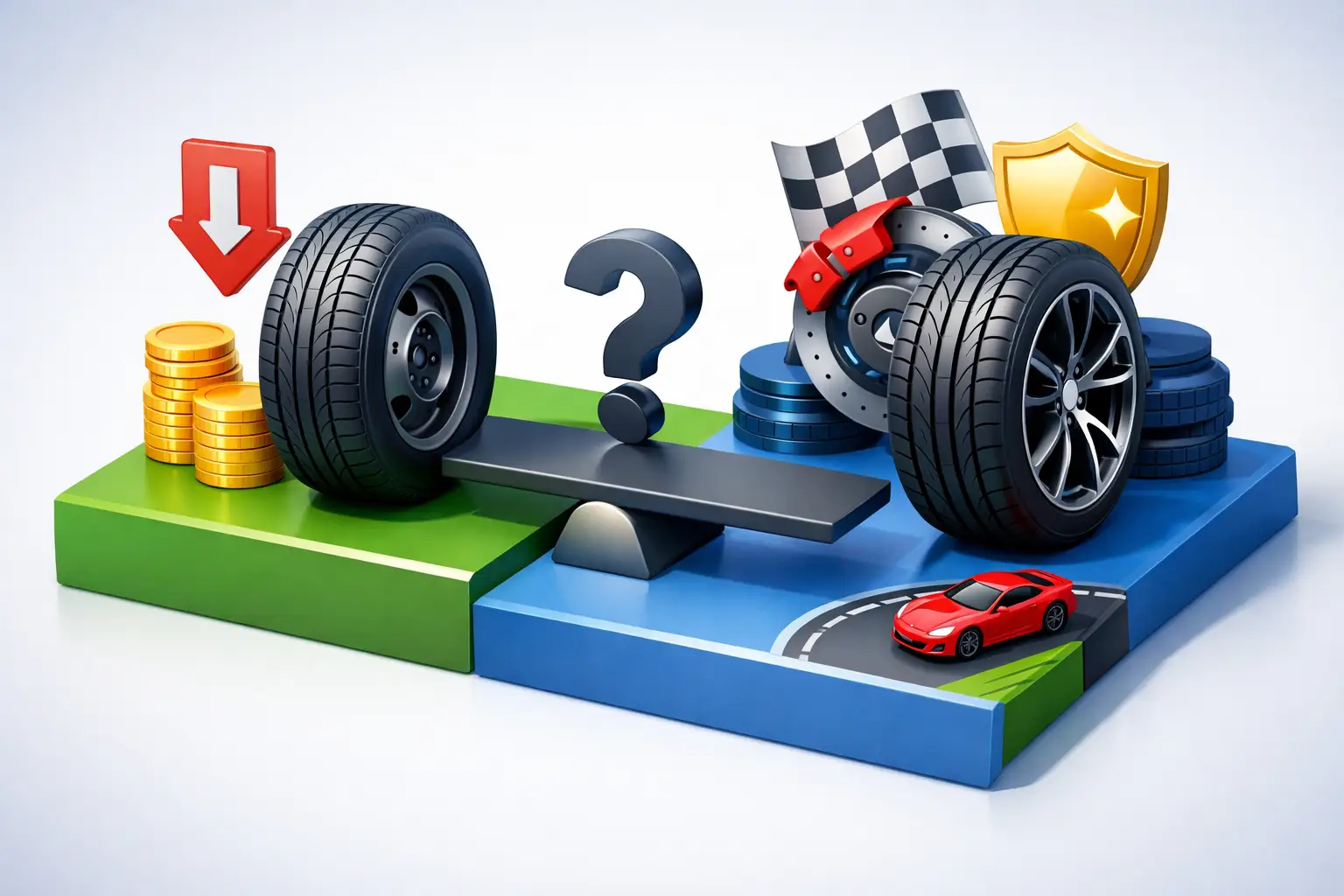
A low tyre price can feel like a win right up until the first hard stop in traffic or the first wet highway run. That is why so many drivers ask, are budget tyres worth buying? The honest answer is yes, sometimes. But only if you match the tyre to your vehicle, your driving habits, and the conditions you actually face.
For many everyday drivers, budget tyres can be a sensible way to stay mobile without overspending. For others, they can become a false economy if performance, durability, or comfort falls short too soon. The difference is not just the price tag. It is how the tyre is built, how it performs, and what you expect from it.
Are budget tyres worth buying for everyday driving?
If your driving is mostly short city trips, moderate speeds, school runs, commuting, and routine weekend use, budget tyres can absolutely make sense. A decent value tyre from a recognized manufacturer can deliver safe, predictable everyday performance when fitted correctly and maintained well.
That matters for drivers who need reliable replacement tyres without jumping straight to premium pricing. If your car is a standard sedan, crossover, or family SUV and you are not pushing it hard, the gap between a good budget tyre and a more expensive option may be smaller than you expect in normal use.
Where budget tyres are most attractive is simple – upfront savings. Replacing four tyres is not a small expense, and many households are balancing fuel, servicing, insurance, and daily costs at the same time. A lower purchase price can help you get back on the road with confidence, especially when the tyres still come from a legitimate brand and are fitted by professionals.
Where budget tyres usually compromise
Price does not drop by accident. Budget tyres are cheaper because something in the design, materials, research, or manufacturing cost has been reduced. That does not automatically make them unsafe, but it does mean you should expect trade-offs.
Wet grip is often the first area where differences show up. On a dry road at normal speeds, many value tyres feel perfectly acceptable. In rain, during emergency braking, or when cornering on slick surfaces, cheaper tyres may lose traction sooner than stronger mid-range or premium options.
Road noise and ride comfort can also vary. Some budget tyres are louder, firmer, or less refined over rough pavement. For drivers who spend a lot of time on the highway, that can get old quickly.
Tread life is another factor. A tyre that costs less upfront but wears out much faster may not save you money over time. This is where true value matters more than low sticker price. The better question is not just what the tyre costs today, but what it costs per mile over its usable life.
When buying budget tyres is a smart move
Budget tyres tend to work best when the car, the driving style, and the expectations are all realistic. If you drive calmly, keep within legal speeds, and do not ask much from the vehicle beyond daily transportation, a good value tyre can do the job well.
They can also be a smart choice on older vehicles where the owner wants safe, practical replacements without investing heavily in premium performance they may never use. The same applies to secondary household cars that cover limited annual mileage.
In some cases, choosing a strong budget or mid-range tyre across all four corners is better than mixing worn premium tyres with random low-cost replacements. Consistency matters. Matching tyres with proper load and speed ratings gives the vehicle more balanced handling and braking than a patchwork setup.
For commercial or high-mileage users, the decision is more nuanced. A cheaper tyre might help cash flow in the short term, but if downtime, faster wear, or weaker grip creates bigger costs later, the saving disappears.
When budget tyres are not worth the risk
There are situations where cutting too far on tyre cost is hard to justify. If you drive a performance car, a heavy SUV, a 4×4 used for demanding terrain, or a vehicle that regularly carries family and luggage at highway speeds, tyre quality matters more.
The same goes for drivers who face extreme heat, long-distance travel, frequent rain, or rough road conditions. In those cases, better compounds, stronger construction, and more advanced tread design can make a real difference in stability, stopping distance, and durability.
If you enjoy spirited driving, budget tyres are usually the wrong tool for the job. Steering response, cornering grip, and heat management are rarely their strengths. You do not need the most expensive option on the market, but you do need something engineered for the way your vehicle is used.
And if a tyre looks suspiciously cheap from an unknown source, that is a separate issue entirely. A budget tyre from a reputable brand is one thing. An unverified product with questionable origin is another. Saving money should never mean gambling on authenticity or fitment.
Are budget tyres worth buying compared with mid-range tyres?
This is often the real decision point. Not budget versus premium, but budget versus mid-range. For many drivers, mid-range tyres offer the strongest balance of price, safety, tread life, and comfort.
A solid mid-range tyre can give you noticeably better wet braking, lower noise, and longer wear without the premium-tier price jump. That is why many informed buyers land here. They want value, but they also want fewer compromises.
Still, not every budget tyre is a bad buy, and not every mid-range tyre is automatically the best option. Some value brands perform surprisingly well in the categories that matter most for normal driving. Others fall behind fast. The key is to compare the specific tyre, not just the label attached to the price tier.
What to check before choosing a budget tyre
Start with the basics: correct size, load index, and speed rating. If those do not match your vehicle requirements, the price does not matter. The tyre is the wrong choice.
Then look at the manufacturer. A recognized brand with a track record in replacement tyres is a safer bet than an ultra-cheap unknown name. You should also consider tread pattern, sidewall construction, warranty support, and the type of driving the tyre is built for.
If possible, compare how the tyre performs in wet grip, noise, and wear. These three areas often tell you more about real-world value than marketing claims. Also factor in installation quality. Even a good tyre will disappoint if it is fitted badly, balanced poorly, or aligned incorrectly.
This is where buying through a specialist retailer helps. A platform like GCC Tires gives drivers access to premium, mid-range, and value options in one place, with compatibility matching and professional fitment support that removes guesswork from the process.
The hidden cost of choosing only by price
The cheapest tyre on the page is not always the cheapest tyre to own. If braking distances are longer, replacement comes sooner, or the ride becomes noisy and harsh, the low entry price stops looking so attractive.
There is also the cost you cannot easily measure until it matters – confidence. A tyre that tracks properly, grips consistently, and behaves predictably in traffic gives you more control every day. That has value, especially when carrying family, commuting in bad weather, or driving long distances.
A better buying mindset is this: shop for the best safe tyre within your budget, not simply the lowest price available. That keeps the focus where it should be – performance you can trust at a price that makes sense.
So, are budget tyres worth buying?
Yes, if you buy carefully. Budget tyres are worth buying when they come from a reputable manufacturer, fit your vehicle correctly, and match the demands of your daily driving. They are less worth it when the vehicle is heavier, faster, more demanding, or driven in conditions where grip and durability are pushed harder.
The smartest buyers do not ask whether cheap is good or bad. They ask whether this tyre is right for this car, this road, and this driver. That is the question that leads to better value and safer miles.
If you are replacing tyres soon, think beyond the invoice total. Choose the option that gives you the right balance of safety, durability, comfort, and price – because real value starts where confident driving begins.

 Get This Deal