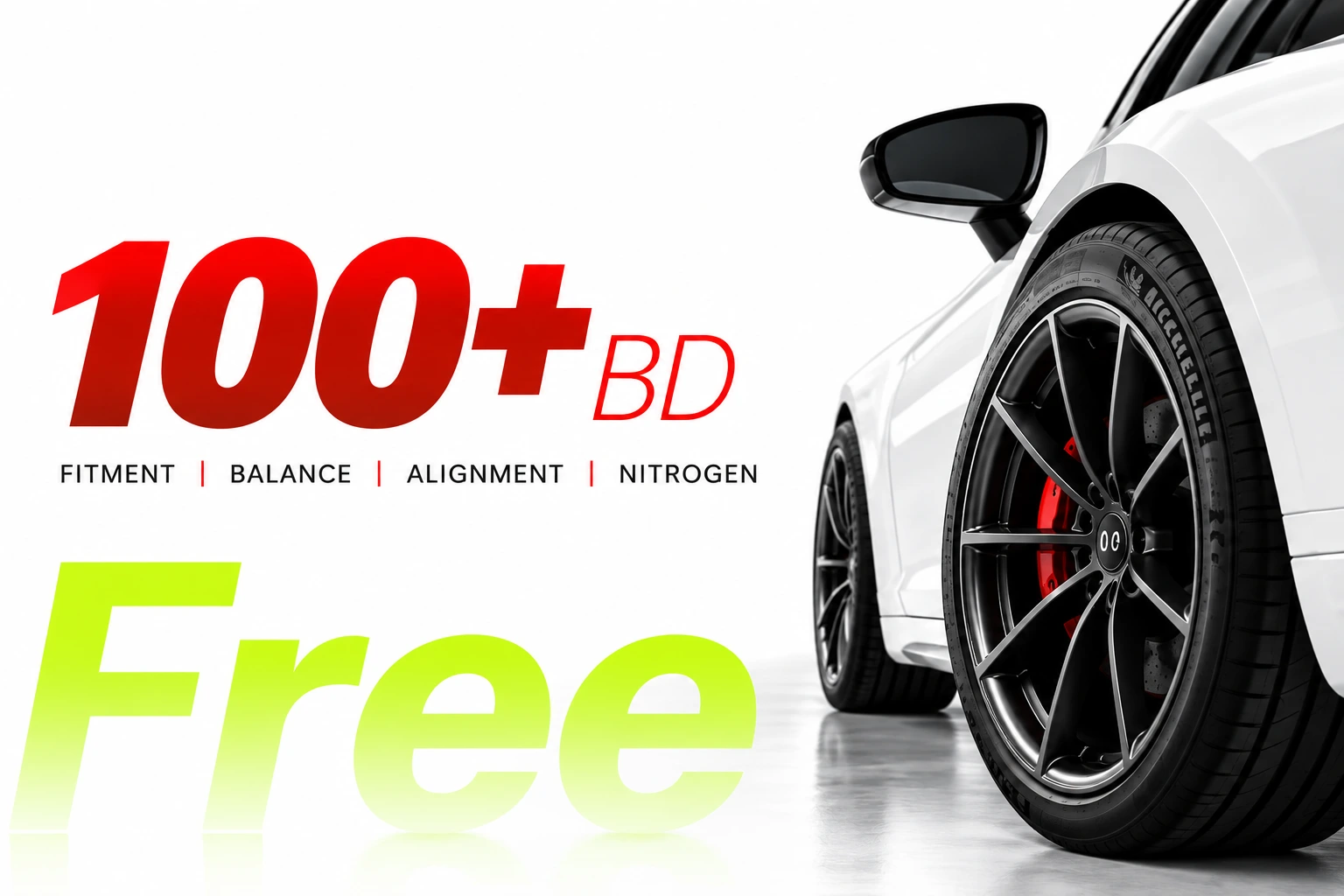













Your tires are the only part of your vehicle that touches the road. That matters when you are handling Bahrain heat, highway miles, city traffic, loaded family trips, or a weekend drive that demands sharper response. gcctires.com helps remove the uncertainty from tire replacement by bringing compatible options, recognized brands, competitive pricing, and professional fitment together in one place.
The right tire is not simply the cheapest one in the correct diameter. It needs to suit your vehicle, driving style, load requirements, and road conditions. A practical buying process starts with the specifications already approved for your car, then gives you the freedom to choose the performance, comfort, mileage, and budget level that make sense for you.
Start With the Tire Size on Your Sidewall
For most drivers, the sidewall code is the fastest route to a correct match. A marking such as 225/55R18 contains the information needed to narrow your choices: 225 is the tire width in millimeters, 55 is the sidewall height as a percentage of that width, R indicates radial construction, and 18 is the wheel diameter in inches.
That code is essential, but it is not the whole story. The load index and speed rating also matter. A tire may physically fit the wheel yet be unsuitable if it cannot carry the required load or meet the speed capability specified for the vehicle. This is particularly relevant for SUVs, 4x4s, performance cars, and vehicles that regularly carry passengers, equipment, or cargo.
If the current tires are worn unevenly, confirm the size against the vehicle placard or owner’s manual rather than relying only on what is installed. A previous owner may have changed sizes, and a correct replacement begins with accurate information. Searching by vehicle, tire size, brand, or category gives drivers different ways to get there without guessing.
How gcctires.com Matches Tires to Real Driving
A family sedan, a premium SUV, and a track-focused coupe can all use tires of a similar size, but they should not necessarily use the same tire. The better question is how and where the vehicle is driven.
For everyday commuting, prioritize predictable wet and dry grip, comfortable ride quality, low road noise, and dependable tread life. Touring and passenger tires are often the right balance for drivers who want confidence without paying for capabilities they will rarely use.
SUV and 4×4 owners should consider vehicle weight, road use, and terrain. Highway-oriented SUV tires can offer refined handling and reduced noise, while all-terrain patterns bring more confidence on loose surfaces and uneven ground. The trade-off is clear: a more aggressive tread can create more road noise and may not deliver the same fuel efficiency or on-road refinement as a highway tire.
Performance drivers may value steering precision, cornering grip, braking response, and higher-speed stability. Performance tires are built for that job, but softer compounds can wear faster than touring alternatives. For track-focused use, the choice becomes even more specific. A tire that delivers exceptional dry grip during hard laps may be less comfortable, less durable, or less capable in standing water on a daily commute.
Commercial-use vehicles require another level of attention. Load capacity, durability, heat resistance, and predictable wear can have a direct effect on operating costs and downtime. Choosing tires for a working vehicle should focus on total value over the service life, not just the initial purchase price.
Choose a Brand and Price Level That Fit Your Priorities
There is no single best tire for every driver. Premium brands often invest heavily in compound technology, casing design, wet braking, noise control, and long-term consistency. They can be a strong choice for drivers who cover high mileage, own performance-oriented vehicles, or want the confidence of a proven original-equipment-level option.
Mid-range tires can offer a smart balance of quality and cost for many daily drivers. Value-oriented tires may also be appropriate when the vehicle has lower annual mileage, is used locally, or needs a dependable replacement within a firm budget. The key is to buy from a trusted source and choose a tire that meets the vehicle’s required specifications.
Promotional pricing can make stepping up to a better-known brand more achievable. Still, compare like for like. A lower price is only a saving if the tire delivers the safety, fitment, and expected service life your vehicle needs. Consider the full package: the tire itself, installation quality, balancing, alignment, and the convenience of completing the job properly.
Fitment Is Part of the Purchase, Not an Afterthought
A new set of tires can only perform as intended when fitted correctly. Professional installation protects the wheel, helps ensure a proper seal, and confirms that the tire is mounted in the correct direction when directional or asymmetric patterns are involved. Balancing is equally important because even a small imbalance can cause vibration, reduce ride comfort, and contribute to uneven wear.
Wheel alignment deserves the same attention. If your steering wheel is off-center, the vehicle pulls to one side, or the tread is wearing faster on an inner or outer edge, alignment may be the issue. Installing new tires without correcting alignment can shorten their usable life quickly. Free alignment, fitment, and balancing offers add meaningful value because they address the service work that supports your investment from day one.
Authorized fitment partners give customers a practical advantage. You can choose tires online with time to compare, then have them installed by professionals who understand the importance of correct pressure, torque, balancing, and alignment checks. That makes tire buying less about arranging separate tasks and more about getting back on the road with confidence.
Signs You Should Not Delay Tire Replacement
Tire wear does not always announce itself with a flat or a warning light. Check your tires regularly, especially before a long road trip or during periods of extreme heat. Replace them when tread depth is low, wear bars are visible, sidewalls show cracks or bulges, or the tire has damage that cannot be safely repaired.
Vibration at speed, a repeated loss of pressure, pulling under braking, and unusual road noise are also worth investigating. Some issues come from wheels, suspension, or alignment rather than the tire alone, which is another reason professional inspection is useful.
Age matters too. A tire can have visible tread remaining while the rubber has hardened or degraded over time. Heat, sun exposure, storage conditions, and low annual mileage can all affect the condition of the tire. Check the manufacturing date code and follow the vehicle manufacturer’s recommendations for inspection and replacement.
Make the Most of Your New Tires
Once your new tires are installed, maintain the pressure specified for your vehicle and check it when the tires are cold. Correct pressure supports braking, handling, fuel efficiency, and even wear. Do not use the maximum pressure printed on the tire sidewall as your everyday target unless your vehicle manufacturer specifies it.
Rotate tires at the recommended intervals when their design allows it, and have alignment checked if you hit a serious pothole or curb. For staggered setups, common on performance vehicles, rotation options may be limited, so regular inspections become even more valuable.
Buying tires should feel clear, not complicated. Start with the right size, choose for the roads you actually drive, and make professional fitment part of the decision. Your next set should deliver more than a good price – it should give every mile the grip, control, and reassurance your vehicle deserves.