



















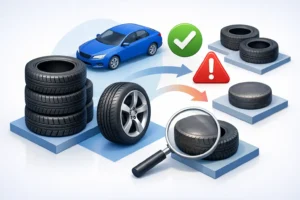
Picking tires should not feel like guesswork. A tyre search by vehicle cuts through the confusion fast by matching your car, SUV, 4×4, or commercial vehicle with options that fit correctly and perform the way you need them to.
Why tyre search by vehicle works so well
Most drivers do not memorize tire widths, aspect ratios, load indexes, or speed ratings. They just want the right tire for their vehicle without wasting time or risking a bad fit. That is exactly where vehicle-based search helps.
Instead of starting with a size printed on the sidewall, you begin with what you already know – your vehicle make, model, year, and sometimes trim. From there, the search narrows to compatible tire options. It is a practical shortcut, but it is more than convenience. It also reduces the chance of ordering something that does not suit your original equipment specifications.
For everyday drivers, that means less stress. For enthusiasts and 4×4 owners, it means a faster path to tires that match how the vehicle is actually used. For fleet buyers, it saves time across multiple vehicles where accuracy matters just as much as cost control.
The real problem with shopping by size alone
Shopping by size can work if you already know exactly what you need. Many experienced drivers do. But size alone does not always tell the full story.
Two tires can share the same basic dimensions and still differ in load capacity, speed rating, tread pattern, sidewall strength, road noise, and intended use. A family SUV used mostly on highways needs something different from a 4×4 that sees rough terrain on weekends. A performance sedan may need stronger high-speed stability than a daily commuter. Commercial use adds another layer, where durability and load support often come first.
That is why tyre search by vehicle is often the better starting point. It gets you into the correct fitment range first, then lets you compare brands, performance categories, and price points inside that safe range.
What a vehicle-based tire search usually includes
A good search tool typically asks for the basics: make, model, year, and sometimes trim or engine variant. That last step matters more than many buyers realize.
Manufacturers sometimes fit the same model with different wheel sizes depending on trim level. One version may use 17-inch tires, while another uses 18-inch or 19-inch fitments. Performance trims can also have different speed and load requirements. If you skip those details, you may end up comparing tires that fit the name of the vehicle but not the exact version you drive.
This is also where a modern tire retailer adds real value. A clear search path, useful filters, and category options help you move from broad compatibility to the right final choice. That makes a big difference when you are balancing budget, brand preference, and driving style.
Tyre search by vehicle still needs a quick check
Vehicle search is efficient, but it should not replace common sense. The safest approach is to treat it as the best starting point, then confirm a few key details before you buy.
Check the tire size currently fitted to your vehicle, especially if you bought the car used or changed wheels after purchase. Look at the sidewall and compare it with the search result. Then check load index and speed rating. If your car came with higher-spec requirements, dropping below them is not a smart way to save money.
You should also think about how you actually drive. If your daily route involves long highway miles, you may want comfort, quiet, and fuel efficiency. If you drive a heavy SUV with passengers often, stability and load support matter more. If your weekends include sand, gravel, or rough ground, tread design and casing strength become more relevant than a low price tag.
Choosing the right tire after the match
Getting compatible results is only the first step. The next decision is choosing the right type of tire within those results.
For daily driving, most buyers want a balanced touring or highway tire that offers predictable grip, solid wet braking, and reasonable tread life. This is usually the sweet spot for family cars and commuter vehicles. It keeps running costs sensible while delivering the safety and comfort most people care about.
SUV and crossover owners often need a bit more versatility. Depending on the vehicle, you may choose a highway terrain tire for smooth road use or an all-terrain option if your driving regularly includes rough surfaces. The trade-off is simple: more off-road capability often brings more road noise and a firmer ride.
Performance drivers usually look for stronger cornering grip, high-speed stability, and sharper steering response. Those benefits are real, but they can come with faster wear and a higher price. Track-focused tires push that trade-off even further. They can feel excellent in the right conditions, but they are rarely the best answer for everyday city driving.
Commercial-use vehicles need a different lens altogether. Here, tire choice is often about durability, load handling, heat resistance, and cost per mile. A lower upfront price is not always the better value if the tire wears quickly or struggles under load.
Premium, mid-range, or value – what makes sense?
Not every vehicle needs the most expensive tire on the shelf. Not every budget option is a smart buy either. The right answer depends on what the vehicle does and what you expect from it.
Premium brands usually lead in wet grip, refinement, tread development, and performance consistency. They are often the best fit for drivers who put safety, ride quality, and long-term confidence first. Mid-range brands can be an excellent option when you want a strong balance of price and performance. Value brands can work for lighter annual use or tighter budgets, provided the fitment and ratings are correct and the product is from a trustworthy source.
This is where broad product choice matters. A retailer with a wide brand portfolio gives you room to compare instead of forcing a one-price-fits-all decision. GCC Tires serves that need well by offering options across premium, mid-range, and value categories, so buyers can match performance and budget without compromising compatibility.
Why fitment support matters as much as the tire itself
Even the right tire can underperform if it is fitted poorly. Proper installation, balancing, and alignment all affect how the vehicle handles, how the tread wears, and how long the tire lasts.
That is why the buying journey should not end at checkout. Professional fitment support adds real value, especially for drivers who want confidence from the moment the tires are installed. Balanced wheels reduce vibration. Correct alignment helps protect the new tires from uneven wear. Experienced technicians also provide another checkpoint to catch fitment issues before they become problems on the road.
For busy drivers, this matters just as much as price. Saving money on the tire itself means less if the process is inconvenient or if poor installation shortens tire life.
Common mistakes a vehicle search can help you avoid
One of the biggest mistakes is choosing tires based only on price. Another is assuming every tire that fits the wheel is automatically right for the vehicle. A third is ignoring speed and load requirements because the size looks correct.
Vehicle-based search reduces those risks by narrowing the field to relevant options first. It also helps buyers who are not sure whether they need touring, all-terrain, ultra-high-performance, or commercial-rated tires. Instead of sorting through hundreds of products blindly, they can compare what actually suits the vehicle.
That said, there are cases where the answer is not automatic. Modified vehicles, upgraded wheels, staggered setups, and specialty performance builds often need more careful review. In those situations, vehicle search is still helpful, but it should be backed by fitment knowledge and a closer look at your exact setup.
A faster way to buy with confidence
The best tire buying experience feels clear from the start. You enter your vehicle, review matching options, compare brands and prices, and book fitment knowing the basics are already handled. That is the real strength of a tyre search by vehicle. It turns a technical purchase into a practical one.
If you want fewer mistakes, better fitment confidence, and a simpler path from search to installation, start with the vehicle first and refine from there. The right tire is not just the one that fits your wheel. It is the one that fits your vehicle, your driving, and your expectations on the road.


 Get This Deal