











A tire can look fine in your driveway and still be past its safe working life. That is why one of the most common questions drivers ask is, when should I replace tires? The short answer is this: replace them when tread is too low, damage is visible, wear is uneven, or age starts working against performance and safety.
If you drive in heat, heavy traffic, or long highway stretches, tires usually wear faster than many people expect. Add aggressive braking, poor alignment, underinflation, or rough roads, and a tire that seemed good a few months ago can quickly become a weak point in your car’s handling, braking, and fuel efficiency. Knowing what to watch for helps you avoid guessing and replace your tires at the right time, not too early and definitely not too late.
When should I replace tires based on tread?
Tread depth is the clearest starting point. Once tread gets too low, your tires lose grip, especially in rain. Braking distances increase, cornering feels less secure, and the risk of hydroplaning climbs fast.
A common rule is to replace tires when tread depth reaches 2/32 of an inch, because that is the legal minimum in many places. But legal minimum and safe replacement timing are not always the same thing. For everyday driving, especially if you face wet roads, many drivers should start planning replacement earlier, around 4/32 of an inch. If you drive an SUV, a performance car, or spend a lot of time at highway speeds, that extra tread can make a real difference in control.
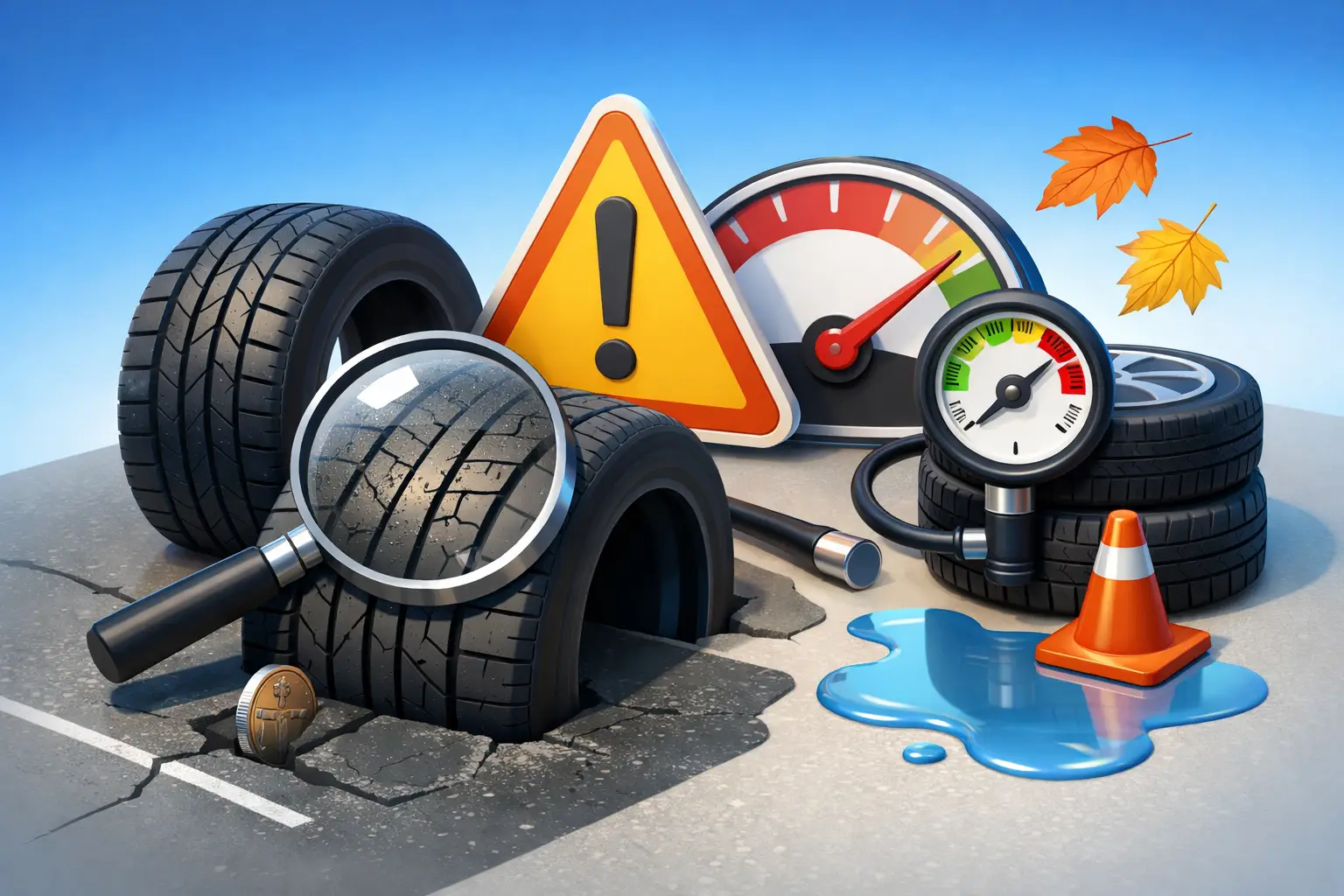
You can check tread with a gauge for the most accurate reading. If you do not have one, the built-in tread wear indicators inside the grooves are useful. When the tread surface becomes level with those bars, the tire is worn out. At that point, replacement is not optional.
Signs you should replace tires even if tread remains
Tread depth matters, but it is not the only reason to change tires. Some tires need replacement while they still show acceptable tread because the structure or wear pattern tells a different story.
Cracks in the sidewall are a red flag. Small surface weathering can happen with age, but deeper cracking can point to rubber deterioration. Bulges and bubbles are even more serious because they often mean internal damage. A tire with a sidewall bulge can fail without much warning.
Cuts, punctures near the sidewall, or repeated repairs can also push a tire past the point where it is worth keeping. Not every puncture means the tire is finished, but damage in the wrong area or damage that affects the casing usually means replacement is the safer call.
Vibration is another clue drivers sometimes ignore. If your car starts shaking at certain speeds, the issue may be balancing, alignment, or suspension. But it can also mean the tire has developed internal damage or irregular wear. If the vibration is new, do not wait it out.
Tire age matters more than most drivers think
A tire does not have to be worn out to be old. Rubber changes over time, even if the vehicle is not driven much. Heat, sunlight, storage conditions, and long periods of parking all affect tire aging.
Most tire makers and safety experts recommend closer inspection once tires reach about six years old, and many suggest replacement by ten years at the latest, regardless of tread. That does not mean every six-year-old tire must come off immediately. It means you should stop judging it by tread alone and start paying attention to age, cracking, ride quality, and seasonal performance.
This matters even more in hot climates, where high pavement temperatures and intense sun can accelerate rubber aging. A vehicle that sits outside daily may age its tires faster than one kept in covered parking. Low-mileage cars, weekend cars, trailers, and second vehicles are often the biggest traps here because the tread looks healthy while the tire itself has hardened and lost flexibility.
You can find the manufacturing date on the tire sidewall in the DOT code. The last four digits show the week and year the tire was made. If the code ends in 2521, for example, the tire was produced in the 25th week of 2021.
When should I replace tires for uneven wear?
Uneven wear is not just a tire issue. It is often your vehicle telling you something else is wrong. If the center of the tread wears faster, overinflation may be the cause. If both outer edges wear faster, underinflation is a likely suspect. If one side wears more than the other, alignment problems are high on the list.
Cupping or patchy wear can point to suspension issues or poor balancing. These patterns shorten tire life and reduce stability. Replacing the tire without fixing the cause only sends you back to the same problem.
That is why tire replacement should never be treated as a simple swap without inspection. A proper fitment process should include checking alignment, inflation habits, and any mechanical issues that may have caused the wear in the first place. That protects your new tires and gives you better value from the next set.
How driving habits affect replacement timing
There is no one mileage number that fits every driver. Some tires wear out in 25,000 miles, others can go much farther. The difference often comes down to driving style, road conditions, vehicle type, and tire category.
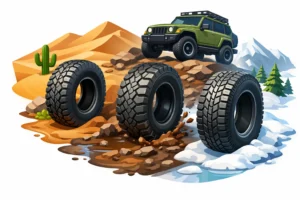
Performance tires usually trade longer life for better grip. That is a smart trade-off for drivers who want sharper handling, but it also means replacement may come sooner than with a touring tire. SUV and 4×4 drivers may see faster wear if they carry heavy loads, drive off-road, or run incorrect tire pressure. Commercial-use vehicles can also wear tires faster simply because of duty cycle and weight.
Short trips in city traffic are harder on tires than many drivers realize. Constant stopping, turning, and low-speed heat cycles create different wear than steady highway cruising. Add hot weather and rough pavement, and replacement timing gets shorter.
If you want your tires to last as long as they should, regular rotation matters. It helps distribute wear more evenly across all four tires. Skipping rotations can lead to early replacement even when the tires themselves were capable of more mileage.
Should you replace one tire, two tires, or all four?
It depends on the vehicle and the difference in wear between the old and new tires. If one tire is damaged and the others are nearly new, replacing a single tire may be acceptable. But if the remaining tires are significantly worn, mixing one fresh tire with older ones can affect handling and traction balance.
For many front-wheel-drive or rear-wheel-drive vehicles, replacing tires in pairs is often the better move. The new pair should usually go on the rear axle to support stability in wet conditions, even if the vehicle is front-wheel drive. That surprises some drivers, but rear traction plays a major role in keeping the car controlled.
For all-wheel-drive vehicles, matching is even more important. A large difference in circumference between tires can strain the drivetrain. In those cases, replacing all four may be the safest and smartest option, depending on wear levels and manufacturer guidance.
The right time to replace tires is before performance drops too far
Waiting until a tire is visibly bad is risky because performance usually declines before failure becomes obvious. Braking can get longer. Wet grip can weaken. Steering response can feel vague. Road noise may increase. None of these changes always happen dramatically, so many drivers adapt to them without realizing the tires are the reason.
A good replacement decision balances safety, cost, and timing. Replacing too early wastes usable tread. Replacing too late puts your vehicle, passengers, and budget at greater risk, especially if a worn or damaged tire leads to uneven wear on the next set or causes avoidable suspension and alignment issues.
If you are unsure, the smart move is to have your tires inspected by a professional who can measure tread, check for damage, and confirm the correct size and category for your vehicle and driving needs. That is especially helpful if you are choosing between premium, mid-range, or value options and want the right mix of durability, ride comfort, and price. At GCC Tires, that practical approach matters because drivers do not just need tires – they need the right tires, fitted properly, with confidence.
Your tires are the only part of the vehicle that actually touches the road. If they are giving you signs, believe them early and change them before your safety margin gets smaller than you think.