




















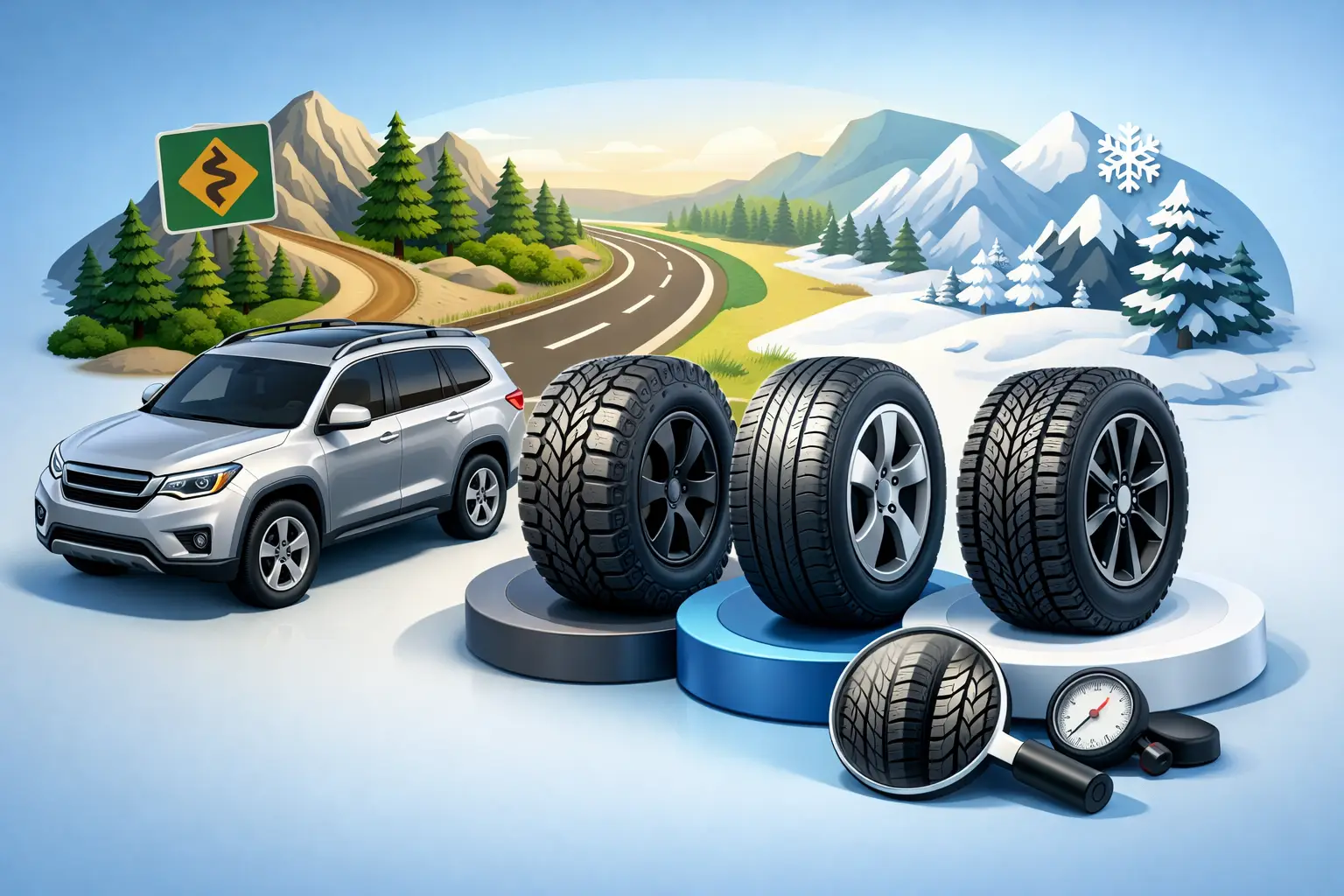
An SUV can feel planted and quiet one day, then noisy, heavy, or vague the next – and in many cases, the tires are the reason. If you are searching for the best tyres for SUV driving, the right answer is not one model for every driver. It comes down to how you use your vehicle, what roads you face most often, and how much comfort, grip, and durability matter to you.
That is where many buyers get stuck. SUV tires sit in a tricky middle ground. Your vehicle is heavier than a sedan, often carries family or cargo, and may see highway miles, city traffic, rough pavement, heat, and the occasional sand or gravel road. A tire that feels excellent on a smooth highway may wear faster in hard daily use. A tougher all-terrain option may look the part but add road noise you did not expect.
How to choose the best tyres for SUV driving
The smartest way to shop is to start with your real driving pattern, not the most aggressive tread design or the biggest name on the sidewall. Most SUV owners fall into one of three groups: daily road drivers, mixed-use drivers, and off-road-focused drivers. Once you know which one you are, choosing gets much easier.
If your SUV spends most of its time on paved roads, a highway terrain or touring-style SUV tire is usually the best fit. These tires are built for stable handling, lower noise, solid wet grip, and even tread wear. They suit family SUVs, school runs, commuting, and long-distance travel. They also help preserve ride comfort, which matters more than many drivers realize on heavier vehicles.
If you split your time between pavement and rougher surfaces, an all-terrain tire may make more sense. It gives you stronger sidewalls, more bite on loose ground, and a tougher construction for occasional off-road use. The trade-off is straightforward: you may get more road noise, slightly firmer ride quality, and in some cases a small hit in fuel economy.
If your SUV is regularly used for serious off-road driving, then mud-terrain or more aggressive all-terrain options come into the picture. For most buyers, though, these are too specialized for daily road use. They can be excellent in the right environment, but they are not automatically the best tyres for suv driving if most of your miles happen on asphalt.
The features that matter most
Tread pattern gets the most attention, but it is only one part of the decision. Load rating matters just as much for an SUV. Because SUVs are heavier and often carry more passengers and luggage, the tire needs to support that weight safely. Choosing the wrong load index can affect handling, braking, and tire life.
Speed rating also matters, though not because most drivers plan to push their SUV to its limit. A suitable speed rating usually reflects the tire’s overall design balance, including heat resistance and stability. In hot climates and long highway use, that extra margin can make a real difference.
Wet grip should be near the top of your list. Even in generally dry regions, slick roads after dust buildup or sudden rain can catch drivers out quickly. A good SUV tire should clear water efficiently and keep steering response predictable under braking and lane changes.
Comfort matters more than many buyers expect. A large SUV with the wrong tire can become tiring to drive. Harsh ride quality, cabin noise, and vibration all add up over time. If your vehicle is mainly a family car, comfort is not a luxury feature – it is part of everyday usability.
Then there is tread life. A cheaper tire can look like a smart buy at checkout, but if it wears quickly or loses performance early, it may cost more in the long run. Value comes from the full picture: purchase price, expected mileage, road manners, and how well the tire holds up in your conditions.
Best tyres for SUV driving by use case
For city and highway driving, premium touring and highway terrain SUV tires usually lead the pack. They are designed to reduce noise, improve steering confidence, and deliver steady wear. These are ideal for drivers who want a smooth, controlled ride and dependable wet-road behavior without sacrificing efficiency.
For family SUVs, balance is everything. You want a tire that brakes confidently, stays composed with a full cabin, and does not become loud after a few thousand miles. A family-focused SUV tire should feel reassuring rather than sporty, with strong emphasis on stability and comfort.
For drivers who cover long highway distances, heat management and tread stability matter more than styling. A tire that stays consistent at speed, resists uneven wear, and keeps noise under control will make every trip better. This is often where premium brands justify their higher price.
For mixed road use, all-terrain tires earn their place. They are a practical choice for SUV owners who need confidence on gravel, broken surfaces, construction areas, or occasional desert trips without switching to a full off-road setup. The key is to stay realistic. If off-road driving happens once every few months, a very aggressive tread may not be worth the compromises on the road.
For performance SUVs, the priorities shift again. Strong dry grip, sharp response, and high-speed stability matter more, but these tires often wear faster and may ride firmer. They are the right choice for drivers who care about precision and control, not maximum tread life.
Premium, mid-range, or budget?
This is where many buyers overthink the decision. Premium tires usually offer the best blend of wet grip, braking, low noise, and consistency over time. They are a strong choice for newer SUVs, frequent highway drivers, and anyone who wants fewer compromises.
Mid-range tires can be the sweet spot for many households. They often deliver solid safety, respectable comfort, and good mileage at a more accessible price. If your priority is dependable everyday use with sensible value, this category deserves a close look.
Budget tires can work for lower-mileage drivers or older vehicles, but caution matters. The gap is not always in basic fitment – it is often in braking confidence, road noise, heat resistance, and how the tire performs after months of use. Saving money upfront only makes sense if the tire still delivers safe, predictable performance.
That is why product range matters. A retailer with access to premium, mid-range, and value brands can match the tire to your SUV, budget, and road use instead of pushing a one-size-fits-all answer.
Common buying mistakes SUV owners make
One common mistake is choosing based on appearance alone. Aggressive tread blocks and rugged sidewalls can look impressive, but looks do not tell you how a tire will feel on your daily commute. Many drivers end up with more noise and less comfort than they wanted.
Another mistake is ignoring the vehicle manufacturer’s recommended size, load index, and speed rating. Getting close is not the same as getting it right. The correct specification helps protect handling balance, braking performance, and clearance.
Some buyers also focus only on price per tire. A better question is price over time. If one option costs less today but wears out sooner or performs poorly in wet conditions, it may not be the better deal.
Fitment quality is another part of the purchase that should not be treated as an afterthought. Even a strong tire can disappoint if mounting, balancing, and alignment are not handled properly. Proper installation helps protect tread life and ensures the vehicle feels stable from the first drive.
When it is worth replacing all four tires
SUV owners often ask whether they can replace just two tires. Sometimes they can, but it depends on drivetrain, tread depth differences, and overall tire condition. On many SUVs, especially all-wheel-drive models, keeping tread depth close across all four corners is important for balanced grip and drivetrain health.
If your current set is already significantly worn, replacing all four is often the smarter move. You get consistent handling, better wet performance, and fewer issues with uneven behavior under braking or cornering. It is a bigger spend upfront, but it usually delivers better results.
What a confident tire purchase looks like
A good SUV tire purchase should feel simple. You know the correct size, your driving style is clear, and the tire matches your real priorities – comfort, durability, off-road ability, or performance. From there, the right choice becomes less about guesswork and more about fit.
That is the advantage of shopping with a retailer that understands both product range and fitment support. GCC Tires makes that process easier by helping drivers compare recognized brands across price points while keeping compatibility, value, and installation convenience front and center.
The best tire for your SUV is the one that keeps you in control on the roads you actually drive, not the one with the loudest marketing or the toughest look. Choose for your daily reality, and every mile will feel like money well spent.



 Get This Deal