




















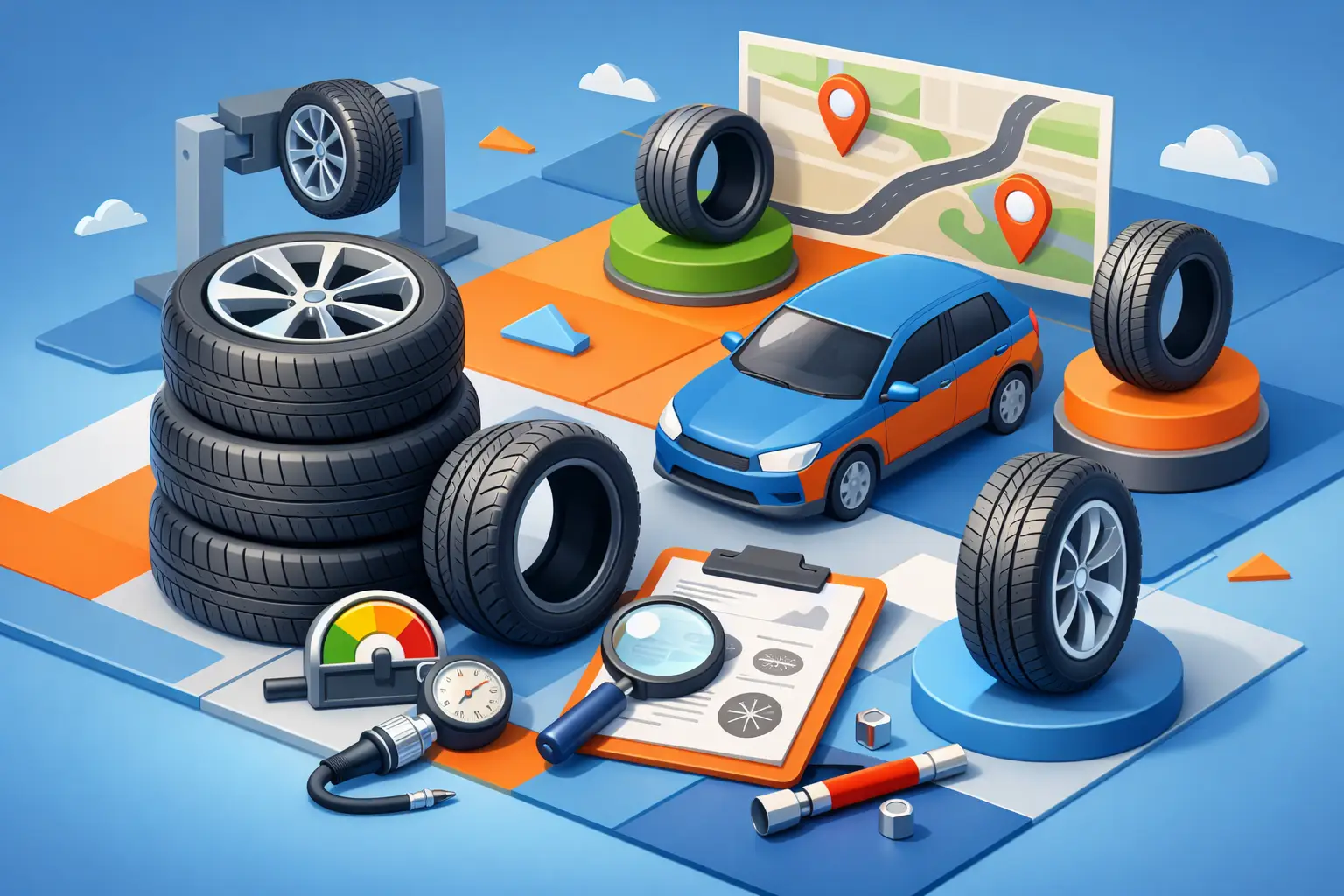
Buying tires for the first time usually starts with one annoying question – why do all tyres look similar until you need the right one fast? This tyre buying guide for beginners is built to remove that guesswork. If you drive a sedan, SUV, 4×4, or performance car, the right tire comes down to fit, driving needs, budget, and proper installation.
Why a tyre buying guide for beginners matters
Tires are not just another replacement part. They affect braking distance, ride comfort, road noise, fuel efficiency, steering response, and how secure your vehicle feels in heat or rain. Choose well, and your car feels planted and predictable. Choose badly, and even a good vehicle can feel less stable than it should.
Beginners often make one of two mistakes. They either buy the cheapest option without checking whether it suits their vehicle and driving habits, or they overspend on a high-performance tire they do not actually need. The smarter approach is to match the tire to the car, the road, and the way you drive.
Start with the tire size
The fastest way to narrow your options is to find your current tire size. You will usually see a code on the sidewall that looks something like 225/55R17. That code tells you far more than most drivers realize.
The first number is the width of the tire in millimeters. The second number is the aspect ratio, which is the sidewall height as a percentage of the width. The letter refers to construction type, and for most passenger vehicles that will be R for radial. The last number is the wheel diameter in inches.
If you buy the wrong size, nothing else matters. The tire may not fit properly, could affect handling, and may even interfere with safety systems. That is why searching by tire size is often the most reliable starting point, especially for new buyers.
Where to find the correct size
Check the sidewall of your current tires, the driver-side door jamb sticker, or your owner’s manual. If the numbers do not match across all four tires, use the manufacturer-recommended size unless a trusted professional has advised otherwise.
Some vehicles can safely run more than one approved size, but this depends on trim level, wheel setup, and driving purpose. For a beginner, sticking with the recommended fitment is usually the safest call.
Understand load index and speed rating
A tire size is only part of the picture. You also need the correct load index and speed rating. These markings are usually shown after the main size, such as 225/55R17 97W.
The load index tells you how much weight each tire can support. The speed rating indicates the maximum speed the tire is designed to handle under proper conditions. Even if you never drive at those upper speeds, the rating still reflects part of the tire’s construction and intended use.
Going lower than your vehicle’s required load or speed rating is a bad idea. Going higher can be fine, but it may change comfort, road feel, or price. For everyday drivers, the goal is not to chase the highest possible spec. It is to meet or exceed the vehicle requirement without paying for performance you will never use.
Choose the right tire type for your driving
This is where a tyre buying guide for beginners becomes truly useful, because the best tire is not the same for every driver.
For daily commuting and family use, touring or comfort-focused tires are often the best fit. They are designed for stable handling, low noise, and good tread life. If your priority is smooth, dependable driving with solid value, this category makes sense.
If you drive an SUV or crossover, look for tires built for that vehicle class. They are tuned for the extra weight and different handling characteristics of taller vehicles. Some SUV tires focus on highway comfort, while others offer stronger all-terrain ability.
For 4×4 owners, the real question is how often you leave paved roads. If most of your driving is on-road, an all-terrain tire may be enough to give you extra grip and toughness without becoming too noisy. If you regularly tackle rough terrain, sand, or demanding off-road routes, you may need something more specialized. The trade-off is that aggressive off-road tread can be louder and less efficient on highways.
Performance car drivers should pay attention to high-speed stability, cornering grip, and heat management. Ultra-high-performance tires can transform handling, but they often wear faster and cost more. If your car is powerful but used mainly for regular road driving, a balanced performance street tire may be the better choice than a track-focused option.
Price matters, but value matters more
Every buyer has a budget, and there is nothing wrong with that. A more expensive tire is not automatically the better buy. What matters is the balance of safety, durability, comfort, and expected lifespan.
Premium brands often deliver stronger wet grip, quieter rides, and more refined performance. Mid-range tires can offer excellent everyday value and are a smart choice for many drivers who want dependable quality without stretching the budget. Value brands can work well too, especially for lower-mileage use, but the difference may show up in tread life, noise, or braking confidence.
The better question is not, what is the cheapest tire today? It is, what tire gives me the best cost over time for the way I drive? A tire that lasts longer and performs better in critical conditions can save money and stress later.
Check tread pattern and road conditions
Tread design affects how the tire handles water, heat, noise, and wear. In hot climates and mixed urban driving, you want a tire that stays stable, clears water effectively, and wears evenly.
A symmetric tread is often quieter and longer-lasting for everyday use. Directional or asymmetric patterns can improve water evacuation and handling, but they may be more specialized. This does not mean one design is always better. It means the right choice depends on whether you prioritize comfort, all-season confidence, or sharper response.
If you regularly drive long highway stretches, a low-noise touring pattern may suit you best. If you want stronger grip and tighter handling, a more performance-oriented tread could be worth it. Again, it depends on the vehicle and the driver.
Do not ignore tire age
A tire can look new and still be old. Rubber hardens over time, even if the tread appears fine. That is why checking the manufacturing date matters, especially if you are price-shopping aggressively.
Look for the DOT code on the sidewall. The last four digits show the week and year of production. A code ending in 2424 means the tire was made in the 24th week of 2024. Newer stock is generally preferable, particularly in hot climates where rubber condition matters.
Fitment and balancing are part of the purchase
Buying the tire is only half the job. Proper installation is what turns a good product into confident, predictable performance on the road.
Correct fitment, balancing, and alignment all matter. If balancing is off, you may feel vibration through the steering wheel. If alignment is poor, even a quality tire can wear unevenly and lose lifespan fast. That is why many drivers prefer a buying process that includes professional fitting support rather than treating installation as an afterthought.
This is where a service-led retailer stands out. GCC Tires focuses not just on tire choice, but on helping customers move from selection to professional fitment with less friction, which is exactly what first-time buyers need.
A simple way to narrow your options
If you feel stuck, use this filter order. Start with the correct tire size. Then confirm the required load index and speed rating. Next, choose the tire category that matches your vehicle and driving style. After that, compare brands by budget, expected performance, and service support.
That approach is better than scrolling endlessly through brands first. A familiar name matters, but fit and intended use matter more.
Common beginner mistakes to avoid
One common mistake is replacing only one tire when the others are badly worn. Another is mixing very different tire types on the same vehicle, which can upset handling and braking balance. Some buyers also choose based only on appearance, even though the better-looking tread may not suit their real driving needs.
There is also the temptation to delay replacement because the car still feels fine. Tires often lose wet grip and braking confidence before they look completely worn out. If tread is low, wear is uneven, or cracks are visible, waiting longer is rarely worth the risk.
When to ask for expert help
If your tire size seems unclear, your car has staggered fitment, you drive a performance model, or you switch between road and off-road use, expert guidance is worth it. Beginners do not need to become tire engineers. They just need enough clarity to make a smart, safe decision.
The right retailer should make that easy by helping you search by size, vehicle, or driving category while offering trusted brand options across premium, mid-range, and value price points.
The best tire purchase is not the one with the most marketing behind it. It is the one that fits your car properly, matches how you drive, and gets installed the right way so every trip feels more controlled from the first mile.

 Get This Deal