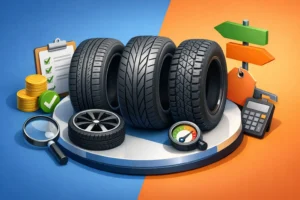












A tire that lasts 50,000 miles on a quiet commuter sedan may wear out far sooner on a powerful SUV, a loaded pickup, or a car that spends weekends on the track. So, which tyres last the longest? Usually, they are touring or highway all-season tires with a high treadwear rating, a durable rubber compound, and a design matched to the vehicle and the way it is driven.
The smarter question is not simply which brand lasts longest. It is which tire will deliver the best usable life for your vehicle without compromising the braking, heat resistance, ride comfort, or wet-road grip you need. Long tread life matters, but it should never come at the expense of control.
Which Tyres Last the Longest for Everyday Driving?
For most daily-driven sedans, crossovers, and family SUVs, touring all-season tires generally offer the longest life. These tires are built for steady highway use, predictable handling, lower rolling resistance, and long treadwear warranties. Their compounds are typically firmer than those used in ultra-high-performance or off-road tires, so they resist wear over many miles.
Grand touring tires are often a strong choice for drivers who want mileage without a dull driving experience. They tend to provide a quieter ride and more confident wet-weather performance than basic economy tires, while still offering substantial tread life. If your car spends most of its time commuting, carrying family, or running errands, this category is usually the best starting point.
Highway-terrain tires are the long-life option for many trucks and SUVs. Their tread patterns are designed for paved-road stability and even wear, making them a better mileage choice than aggressive all-terrain or mud-terrain tires. They are especially practical for drivers who use a 4×4 as a daily vehicle rather than a dedicated off-road machine.
Treadwear Ratings Explain Part of the Story
The Uniform Tire Quality Grading, or UTQG, treadwear number can help you compare tires within a brand or category. A tire rated 700 should, in theory, wear longer than one rated 400 when tested under the same conditions. Many long-lasting touring tires carry ratings in the 600 to 800 range, while performance tires may sit much lower because they prioritize grip.
Treat this number as a comparison tool, not a mileage promise. UTQG ratings are assigned by manufacturers, and real-world results depend on road surfaces, climate, tire pressure, alignment, vehicle weight, and driving habits. A 700-rated tire can still wear quickly if the vehicle has poor alignment or is driven hard through hot city traffic.
Treadwear ratings also do not tell you everything about safety. A very hard compound may last longer, yet it may not deliver the same wet braking performance as a premium tire designed with more advanced siping, channels, and compound technology. The goal is durable grip, not just durable rubber.
Why Premium Touring Tires Often Deliver Better Value
A low purchase price does not always mean a lower overall cost. A budget tire that wears unevenly, gets noisy early, or needs replacement sooner can cost more over the life of the vehicle than a quality touring tire with a stronger casing and longer warranty coverage.
Premium tire manufacturers invest heavily in compound design, tread patterns, and construction consistency. This can make a meaningful difference in the Gulf region, where high road temperatures place extra stress on rubber. Heat accelerates tire aging and can make softer compounds wear faster, particularly during long highway drives and heavy stop-and-go use.
That does not mean every driver needs the most expensive tire available. Mid-range touring tires can offer very good life and dependable everyday performance when selected in the correct size, load rating, and speed rating. The best value is a genuine tire that suits your vehicle, is professionally fitted, and is maintained properly from day one.
The Trade-Off: Long Life vs. Maximum Grip
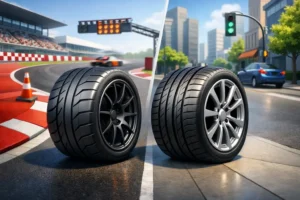
The tires that last the longest are rarely the tires that provide the sharpest steering response or strongest dry grip. Performance tires use softer compounds to grip the road during hard cornering, rapid acceleration, and heavy braking. That extra traction is valuable on sports sedans, coupes, and track-focused vehicles, but it normally comes with faster wear.
For example, a high-performance summer tire may be the right choice for a driver who values cornering confidence and braking feel. Choosing a harder long-wear touring tire instead could reduce the vehicle’s intended handling capability. In the same way, an all-terrain tire is a better fit for drivers who regularly travel on gravel, sand, or rough tracks, even though it may wear more quickly and create more road noise than a highway tire.
Choose based on your real driving conditions. A tire designed for the job will often last longer than a supposedly high-mileage tire used outside its intended purpose.
What Makes Tires Wear Out Early?
Even the best tire cannot reach its potential if the vehicle setup is wrong. Uneven wear is often the first sign that money is being lost. Wear on one shoulder can point to alignment issues, while excessive wear in the center may indicate overinflation. Both outer shoulders wearing faster can suggest underinflation or frequent hard cornering.
Hot weather adds another challenge. Underinflated tires flex more, generate more heat, and wear faster. Overinflated tires can reduce the contact patch and make the center of the tread disappear too quickly. Check pressure when the tires are cold and follow the vehicle manufacturer’s recommended pressure on the driver’s door placard, not the maximum pressure molded into the tire sidewall.
Rotation is just as important. Front tires often wear differently from rear tires because they handle most steering and braking forces. On front-wheel-drive vehicles, the front tires also manage acceleration. Rotating tires at regular intervals helps spread that wear across the set and can add thousands of miles of useful life.
A practical long-life routine includes these four habits:
- Check tire pressure at least once a month and before long trips.
- Rotate tires at the interval recommended by your vehicle or tire manufacturer.
- Have alignment checked if the steering wheel is off-center, the vehicle pulls, or wear looks uneven.
- Inspect tread depth, sidewalls, and tire age during routine service.
Match the Tire to Your Vehicle’s Load and Use
Load rating matters more than many drivers realize. An SUV carrying passengers, luggage, or work equipment needs tires built for that weight. Fitting a lower-rated tire can increase heat buildup and reduce durability. The same applies to commercial-use vehicles, which may need reinforced construction for frequent loads and long operating hours.
Drivers of larger SUVs and pickups should also consider how often they tow. Towing creates extra strain during acceleration, braking, and high-speed highway travel. A suitable highway-terrain or load-rated all-terrain tire may last longer in this situation than a passenger-car touring tire that was never designed for the demand.
Size matters, too. Moving to a wider or lower-profile tire can improve appearance and handling, but it may change ride quality and wear behavior. Always choose an approved fitment that preserves the required load capacity and clearance. Professional fitment and balancing help protect both the tires and the vehicle’s suspension.
When to Replace a Long-Lasting Tire
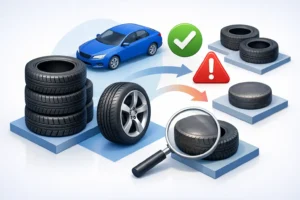
Do not wait for a tire to look completely smooth. Replace it when the tread reaches the wear bars, when you see cracks, bulges, cuts, or exposed cords, or when repeated pressure loss suggests damage. In regions with intense heat, tire age deserves close attention even when the tread still looks acceptable. Rubber hardens and deteriorates over time.
A long-wear tire is only a good value while it remains safe. If wet grip has faded, the tire has become noisy from irregular wear, or it no longer holds pressure reliably, replacement is the confident choice. At GCC Tires, selecting the right tire is easier when you start with your vehicle, tire size, driving style, and service needs – then complete the job with professional fitment, balancing, and alignment support.
The tire that lasts longest for you is the one that wears evenly, handles your daily load, and keeps its grip through every mile you ask it to cover. Check your current tread and pressure before your next drive – that small habit can protect a much larger investment.