


















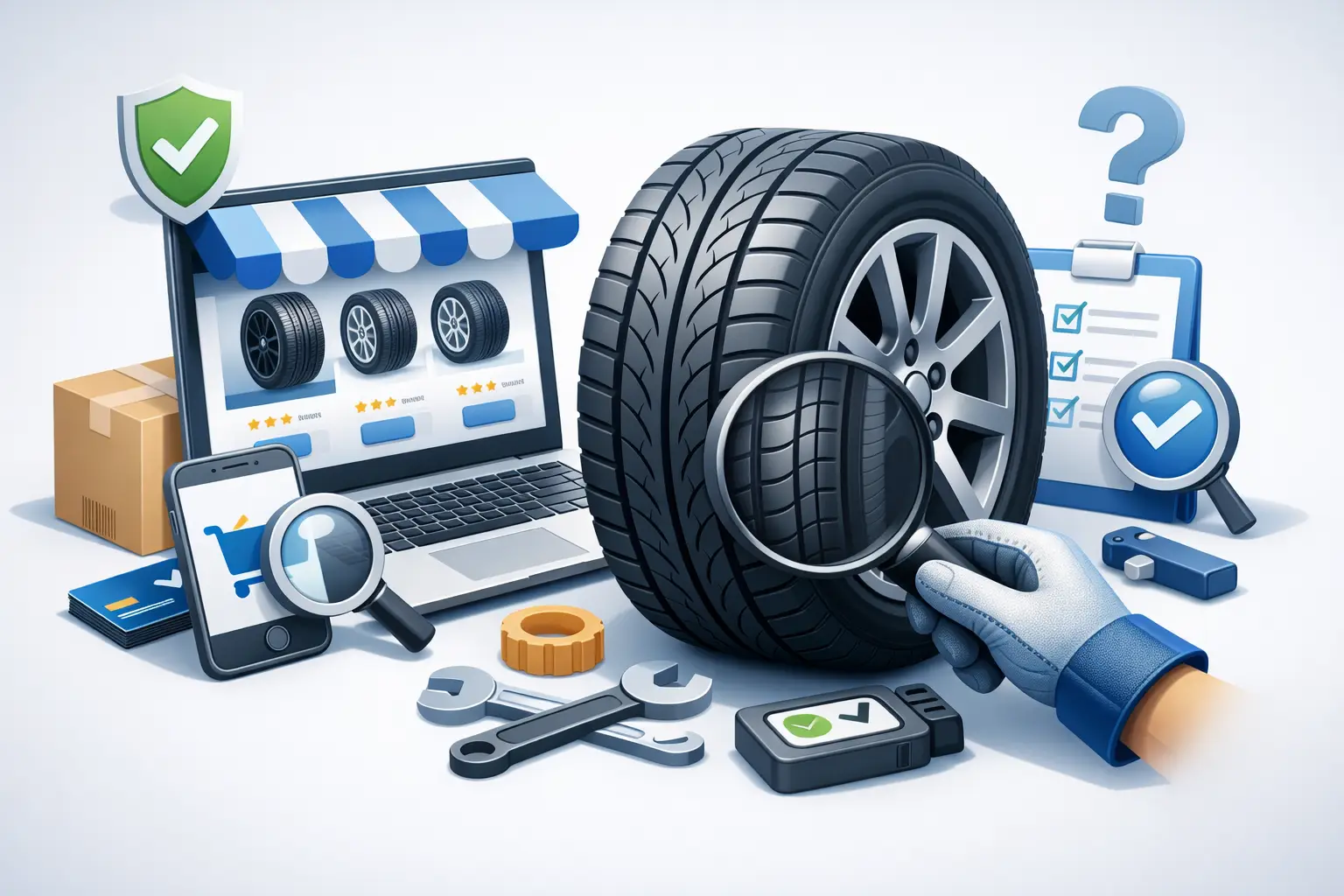
A low price on a known tire brand can feel like a win right up until you start wondering if the product is actually real. That question comes up often: are online tyres genuine, or are buyers taking a risk every time they order from a website instead of a local shop? The honest answer is that many online tires are absolutely genuine, but not every seller earns the same level of trust.
That is why the right question is not whether online tire buying is safe in general. It is how to tell the difference between a reliable retailer and a listing that looks good until something feels off. When safety, road grip, and long-term value are on the line, a little checking before you buy goes a long way.
Are online tyres genuine from every seller?
No, and that is the part many shoppers need to hear clearly. Buying online does not automatically mean counterfeit tires, but it also does not guarantee authenticity. Online retail gives you access to more brands, better pricing, and easier size matching. It also creates room for unclear sourcing, outdated inventory, and marketplace sellers with little accountability.
A genuine online tire retailer should be transparent about the brands it carries, the specifications of each tire, and how fitment works. You should be able to identify what you are buying, who is supplying it, and how installation will be handled. If a seller hides key details or makes broad claims without product information, that is a warning sign.
The strongest online tire stores do not just sell tires. They support the full purchase journey with clear listings, customer service, and professional fitment options. That structure matters because legitimate businesses protect their reputation with original products, proper handling, and after-sales support.
What makes buyers worry about authenticity
Most concerns start with pricing. If one seller lists a major brand far below the market range, buyers naturally wonder why. Sometimes the answer is simple – bulk purchasing, seasonal promotions, or retailer discounts. Other times, the deal may involve old stock, grey-market imports, or products that are not backed by the expected supplier chain.
Brand presentation also affects trust. Misspelled names, generic photos, poor descriptions, and missing load or speed ratings can make a listing feel unreliable. Tires are technical products. A serious retailer normally shows the size, pattern, load index, speed rating, application, and brand details clearly.
Then there is the issue of marketplaces. Some large platforms mix inventory from multiple third-party sellers. That does not mean every marketplace tire is suspect, but it does mean the platform itself may not be the actual supplier. In those cases, buyers need to look beyond the product title and check who is fulfilling the order.
How to tell if online tires are genuine
The first thing to check is the seller, not the tire. A trusted retailer usually carries recognized global brands across different price points and explains what each tire is designed to do. You should see proper company information, customer support access, fitment details, and a professional presentation throughout the site.
Next, look closely at the product information. Genuine tire listings usually include full sizing and service data such as width, aspect ratio, rim diameter, load index, and speed rating. If the listing is vague or missing basic technical specs, it becomes harder to trust.
You should also check whether the retailer mentions original products, warranty support, or authorized installation partners. Those details show that the business is set up for long-term customer service rather than one-off sales. A retailer that helps with fitting, balancing, and alignment is typically operating in a more accountable way than a seller who simply ships a box and disappears.
Reviews can help, but they should be read carefully. Look for comments about product condition, installation experience, and whether the delivered tire matched the listing. A hundred vague five-star reviews mean less than a handful of detailed ones from real buyers.
The DOT code matters more than most buyers realize
One of the simplest ways to verify a tire after delivery is by checking the DOT code on the sidewall. This code helps identify manufacturing details, including the week and year of production. For example, a four-digit date code like 2324 means the tire was made in the 23rd week of 2024.
This does not tell you by itself whether a tire is counterfeit, but it does tell you whether the tire is old stock. Age matters. Even a genuine tire can lose appeal if it has been sitting in poor storage for too long. A trusted retailer should be comfortable answering questions about tire age and stock rotation.
For most everyday drivers, receiving a recent production tire is part of the value equation. You are paying for tread life, performance, and safety. If the tire is already several years old before installation, that should be disclosed clearly.
Red flags that should stop you from ordering
Some warning signs are easy to miss because buyers focus only on the final price. If the site has no business identity, no fitment support, and no clear return or contact process, think twice. If product names look inconsistent or specifications do not line up with known brand patterns, pause.
Be especially careful with sellers who use stock photos only and provide no sidewall or pattern details. Also watch for unrealistic claims like universal fitment, no need to check ratings, or dramatic discounts with no explanation. Tires are not casual accessories. The wrong product can affect braking, comfort, fuel use, and high-speed stability.
Another red flag is pressure without clarity. A genuine promotion is normal. A countdown timer paired with missing product details is not the same thing. Good retailers make it easy to buy fast, but they also give you enough information to buy right.
Why authorized fitment adds trust
Online buying becomes much more reliable when the retailer connects the sale to professional installation. That matters because authentic retail is not just about the tire arriving at your door. It is about proper fitment, balancing, alignment, and making sure the tire matches your vehicle and driving needs.
When a retailer works with authorized fitment partners, there is more accountability in the process. The business is not simply moving inventory. It is standing behind the product and the service around it. For drivers, that reduces friction and lowers the chance of ordering the wrong size or receiving a product that raises questions later.
This is one reason many buyers prefer specialist tire retailers over general e-commerce platforms. A focused tire business understands sidewall ratings, seasonal suitability, SUV and 4×4 demands, and performance applications. That expertise helps filter out mistakes before they become safety issues.
Genuine does not always mean best for your car
This is where nuance matters. A tire can be genuine and still be the wrong choice. Some buyers focus so heavily on authenticity that they overlook fitment, driving conditions, and performance needs. A real tire from a reputable brand is only part of the decision.
If you drive mostly in city traffic, your priorities may be comfort, low noise, and value. If you drive an SUV or 4×4, load support and durability may matter more. If you own a performance car, speed rating, grip, and heat management become more important. The best online retailers help you match the product to the vehicle, not just verify the brand.
That is why product breadth matters. A retailer with premium, mid-range, and value options can guide buyers toward the right balance of safety, durability, and price. For many drivers, confidence comes from knowing the tire is genuine and suited to the way they actually use the car.
A practical way to buy with confidence
Start with the correct tire size and vehicle requirement. Then choose a specialist retailer that presents recognized brands clearly and supports the full buying process. Check the product details, confirm ratings, review the seller reputation, and ask about tire age if it is not shown.
If installation is included or arranged through professional partners, that is a strong sign you are dealing with a serious tire retailer. Businesses built around fitment and after-sales support have more to lose from poor sourcing and mismatched products. That usually works in the customer’s favor.
At GCC Tires, that customer-first model is exactly the point: genuine branded products, practical search tools, and professional fitment support that help drivers buy the right tire without second-guessing every listing.
Online tire shopping should not feel like a gamble. When the seller is transparent, the product data is complete, and the service continues through fitment, buying online can be one of the smartest ways to save time, secure value, and stay safe on the road.




 Get This Deal