




















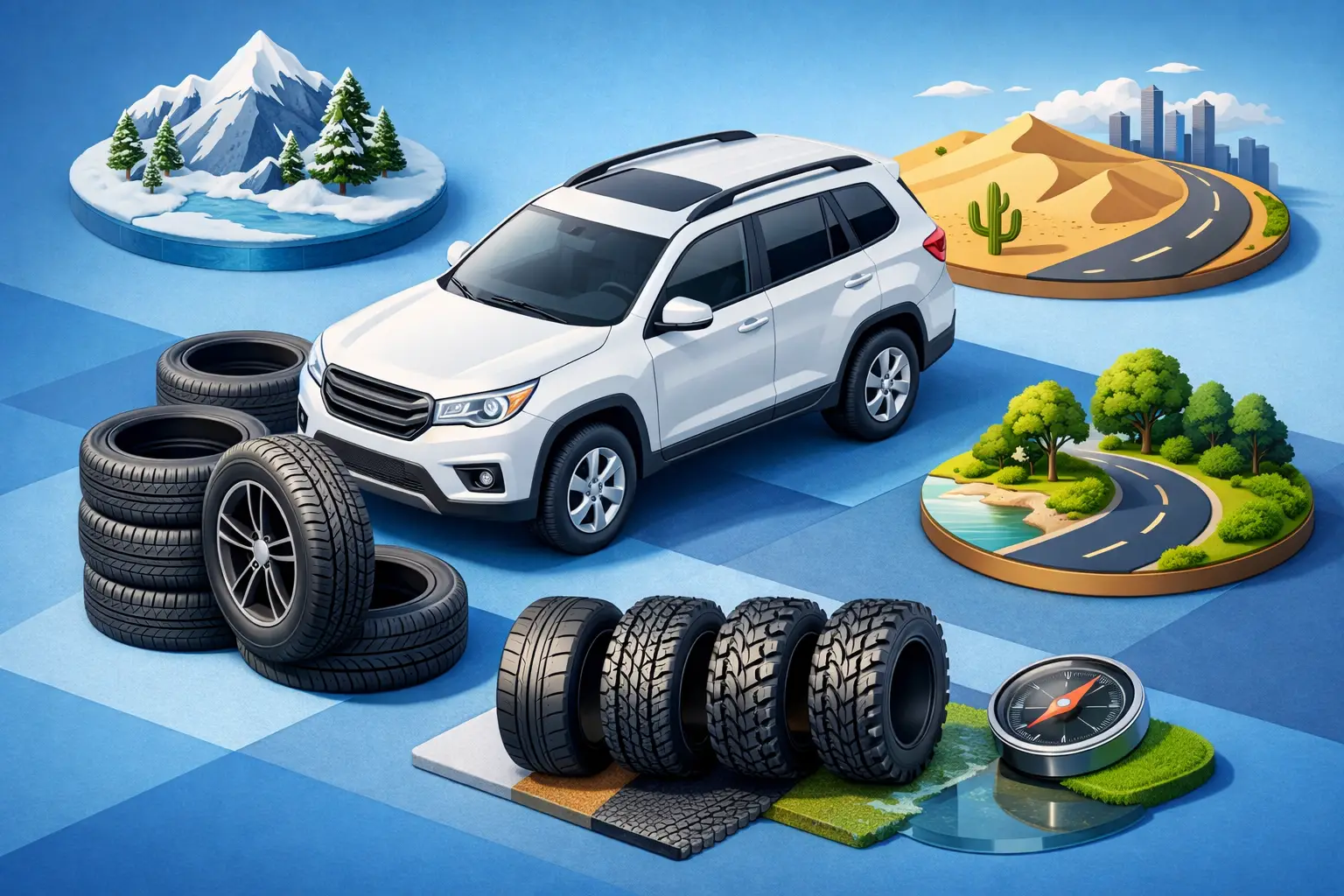
You feel bad SUV tires before you fully notice them. The ride gets louder. Braking feels longer. Wet roads make the steering feel less planted. If you are shopping for the best tires for SUV use, the right choice is not just about brand names – it is about matching the tire to how, where, and how often you drive.
SUVs ask more from tires than many drivers realize. They carry more weight than sedans, often sit higher, and are used for everything from school runs and highway commutes to weekend desert drives and long family road trips. A tire that feels great on smooth city roads may wear quickly under heavy loads or struggle when the weather turns hot and the pavement gets harsh.
What makes the best tires for SUV owners?
The best SUV tire is the one that fits your driving pattern first, then your budget. That means there is no single answer for every driver. A family crossover used mostly on paved roads needs something very different from a body-on-frame SUV that sees gravel, sand, or uneven terrain.
Start with three basics: road type, comfort expectations, and mileage. If most of your driving is urban and highway-based, a highway terrain tire usually makes the most sense. It is quieter, smoother, and often more fuel-efficient than an all-terrain option. If you regularly leave the pavement, an all-terrain tire gives you stronger sidewalls, better bite on loose surfaces, and more confidence when conditions change.
Load rating matters too. SUVs are heavier vehicles, and some drivers regularly carry passengers, luggage, work gear, or towing weight. Choosing the correct load index is not a detail to skip. It affects safety, stability, and tire life.
Highway, all-season, or all-terrain?
This is where most SUV buyers either get it exactly right or waste money on the wrong type.
Highway terrain tires
For many drivers, this is the sweet spot. Highway terrain tires are built for paved roads, everyday comfort, and predictable handling. They usually deliver lower road noise, better on-road refinement, and steady tread wear. If your SUV spends most of its time in the city, on highways, or carrying the family from one stop to the next, this category is often the smartest buy.
They also tend to support better fuel economy because the tread pattern rolls more efficiently. The trade-off is simple: they are not designed to shine on rough ground, deep sand, or rocky surfaces.
All-season tires
Many SUV tires sold for daily driving fall into this category. All-season options are designed to balance dry grip, wet traction, comfort, and tread life. For drivers who want one set of tires that covers normal road use without fuss, they are practical and cost-effective.
That said, all-season does not mean all-powerful. Some all-season SUV tires prioritize long life and comfort, while others lean toward sharper handling. If wet braking and summer heat matter more than stretching every last mile, that balance is worth checking.
All-terrain tires
If your SUV sees mixed use, all-terrain tires can be a strong fit. They offer more traction on dirt, gravel, and light off-road surfaces, with a more aggressive tread and tougher construction. They also give many SUVs a more rugged stance, which some drivers prefer.
But there is always a trade-off. All-terrain tires are usually noisier, can feel firmer, and may not match the road manners of a good highway tire. For drivers who only occasionally leave the pavement, they can be more tire than necessary.
How to spot the best tires for SUV driving in real life
The best choice gets clearer when you think about your day-to-day use, not the most demanding drive you might do twice a year.
If your SUV is a family vehicle, focus on braking, wet grip, quietness, and even wear. Comfort matters when the vehicle is loaded, and stability matters when you need confident lane changes or emergency stops. Premium touring and highway tires usually perform well here.
If you drive long distances every week, tread life becomes a bigger priority. A tire with solid mileage value can save money over time, even if the upfront price is higher. Cheap tires often cost more in the long run if they wear quickly or compromise ride quality.
If your SUV is used for outdoor trips, desert access roads, job sites, or uneven terrain, durability moves up the list. You want stronger shoulder blocks, a tougher carcass, and a tread pattern that can clear loose material. In that case, a quality all-terrain tire is usually worth the extra noise.
If performance matters to you, especially in larger sporty SUVs, look beyond basic touring tires. Some premium SUV tires are built for stronger cornering grip, shorter braking, and high-speed stability. The compromise is often faster wear and a firmer ride.
Brand tier matters, but fit matters more
Most SUV buyers shop with brand reputation in mind, and that makes sense. Recognized premium brands often lead in wet braking, ride refinement, and tread technology. Mid-range brands can offer excellent value for daily driving, while budget brands may work for cost-sensitive replacements if the specifications are right.
Still, buying by brand alone is not enough. Even top manufacturers produce multiple lines for different uses. One model may be ideal for quiet city driving, while another from the same brand is aimed at off-road traction or sporty handling. The better question is not just which brand is best – it is which tire line fits your SUV and your driving.
That is where a practical buying process matters. Searching by size, vehicle, or category helps narrow the options fast and reduces the risk of choosing a tire that looks right but performs wrong.
The sizing mistake that causes the most problems
A large number of SUV tire issues start with incorrect sizing or incomplete matching. Drivers often focus on width and wheel diameter, but aspect ratio, load index, and speed rating matter too.
A tire that is close enough on paper can still affect ride height, steering response, fuel use, and even safety systems. On SUVs, this is especially important because weight and suspension tuning play a bigger role. If your current tire says something like 265/65R17, every part of that code matters.
There is also the question of replacement timing. If one tire is damaged, some drivers want to replace only one. On many SUVs, especially all-wheel-drive models, that can create uneven rolling circumference and stress the drivetrain if the remaining tires are significantly worn. Sometimes replacing a pair or a full set is the safer move.
What value really means when buying SUV tires
Value is not the cheapest price on the screen. Value is the right tire, at a fair price, with reliable fitment and no surprise problems after purchase.
That includes genuine products, clear specifications, and installation support that gets the job finished properly. Balancing, alignment, and professional fitment are not extras to ignore. Even the best tires for SUV applications can underperform if they are mounted badly or the vehicle alignment is off.
This is why service matters as much as stock. A smooth buying experience, trusted brands, and professional fitment save time and protect your investment. GCC Tires is built around that idea – helping drivers move from selection to installation with less guesswork and more confidence.
When to replace your SUV tires
Do not wait for a visible failure. If tread depth is low, braking distances rise, especially in wet conditions. If the tire sidewall shows cracks, bulges, or cuts, replacement should move higher on your list. Uneven wear can also point to alignment or suspension issues that new tires alone will not fix.
Age matters too. Even if tread remains, older tires can harden and lose performance. That affects grip, comfort, and braking. For SUVs carrying families, luggage, or frequent highway miles, staying ahead of tire wear is the safer choice.
The smarter way to choose
The best tires for SUV driving come down to honest use. If you drive mostly paved roads, buy for comfort, braking, and long wear. If you mix city travel with rougher surfaces, choose balanced all-terrain capability. If your SUV is performance-focused, prioritize grip and stability. And if budget matters most, look for proven value rather than the lowest sticker price.
A good tire should make your SUV feel more controlled, more comfortable, and more secure the moment you pull away. Choose with your actual driving in mind, not the marketing headline, and you will feel the difference where it counts – on the road, in the rain, and every time your family is on board.
The right tire does not just fit your SUV. It fits the way you live with it.



 Get This Deal