




















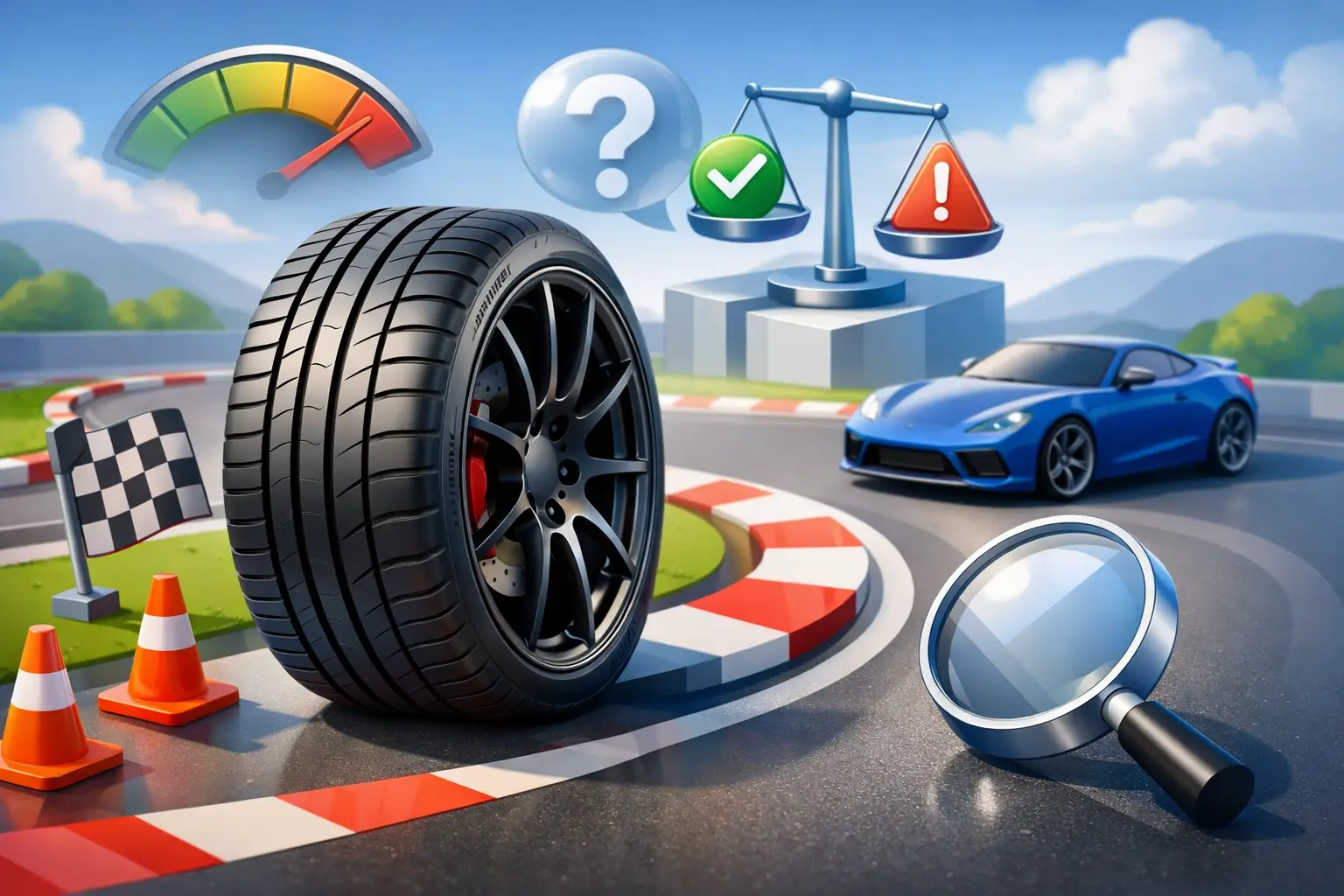
You usually notice a tire’s real character in the first hard stop, the first quick highway merge, or the first wet roundabout that would make a cheaper tire feel nervous. That is exactly where a Michelin Pilot Sport review matters. This is not a budget tire line built to simply get you from point A to point B. It is built for drivers who want sharper steering, stronger grip, and more confidence at speed.
For many buyers, the question is not whether Michelin makes a good tire. It is whether the Pilot Sport range is the right fit for the way they actually drive. That answer depends on your car, your priorities, and how much you value performance over price.
Michelin Pilot Sport review: what stands out
The Pilot Sport name covers several models, including options aimed at fast road use and others that lean harder into track-focused performance. Across the range, the common theme is control. These tires are designed to give you a more direct connection to the road, especially in warm weather and on performance-oriented vehicles.
The first thing most drivers notice is steering response. Turn-in feels quicker and more precise than what you get from a standard touring tire. On sedans, coupes, hot hatches, and performance SUVs, that sharper feel can make the whole vehicle seem more composed.
Grip is the second big strength. In dry conditions, Pilot Sport tires typically deliver excellent traction under acceleration and braking. In wet conditions, the better models in the range also remain impressively stable, which matters just as much for daily commuting as it does for enthusiastic driving. Confidence is the real product here. When a tire communicates clearly, the driver relaxes and the car feels easier to place.
Dry grip, braking, and cornering feel
If your priority is strong road holding, this is where Michelin tends to justify the premium price. Pilot Sport tires are known for high levels of dry grip, but raw grip is only part of the story. The bigger advantage is consistency. Some tires feel strong for a short period, then get greasy or vague once temperatures rise. Michelin’s better performance compounds usually stay predictable for longer.
That matters in everyday driving more than many people think. A tire that brakes hard and stays stable under sudden lane changes can add a real safety margin. For owners of German sedans, sports coupes, muscle cars, and performance crossovers, the Pilot Sport line often feels like a natural upgrade because it complements the chassis instead of dulling it.
Cornering feel is also a highlight. There is usually a solid, planted sensation through sweeping bends, with less sidewall squirm than softer all-season or comfort-focused options. If you enjoy driving and want your car to react cleanly to steering input, this line has a strong reputation for good reason.
Wet performance is a major reason people buy them
A strong performance tire that struggles in the rain is hard to recommend for street use. Michelin has done well here. Many Pilot Sport models offer very capable wet braking and reassuring traction on slick roads, especially compared with lower-cost performance alternatives that can become edgy in standing water.
For drivers in areas where sudden rain changes road conditions quickly, wet stability matters just as much as dry cornering. A tire that resists hydroplaning and keeps steering feel intact helps reduce stress during fast traffic flow and emergency maneuvers.
That said, not every Pilot Sport tire is tuned the same way. Some versions are more road-friendly and balanced, while others are more aggressive and give up some wet comfort or tread life in exchange for extra dry performance. That is why choosing the correct Pilot Sport model matters almost as much as choosing the brand.
Comfort and road noise: better than expected, but not luxury-soft
A common concern with performance tires is harshness. Many drivers assume that stronger grip automatically means a punishing ride. In practice, Michelin usually manages this balance better than most. Pilot Sport tires are often more refined than you would expect from a max-performance summer tire.
You will still feel the road more than you would with a comfort-focused touring tire. Expansion joints, rough pavement, and broken city streets are more noticeable. But for many drivers, the ride remains very livable, especially on vehicles with well-tuned suspensions.
Road noise depends on the car, wheel size, and pavement quality, but Michelin generally keeps noise levels under control. They are not silent, and larger wheel fitments can amplify firmness, yet many buyers find them quieter than rival ultra-high-performance options. If you want a tire that feels sporty without turning every commute into a compromise, that balance is one of the line’s strongest selling points.
Tread life and value
This is where a Michelin Pilot Sport review needs some honesty. These tires are expensive. In many cases, they cost noticeably more than competing performance options. The upfront price can make buyers hesitate, especially if they are replacing a full set on a larger sedan or SUV.
The counterargument is value over time. Michelin often delivers better tread life than cheaper performance tires, along with stronger consistency as the tire wears. A low-cost tire that loses grip early, gets noisy fast, or wears unevenly is not always the better deal.
Still, it depends on how you use your car. If you drive aggressively, accelerate hard, or regularly push through hot pavement, even a premium performance tire will wear faster than a standard all-season model. If your driving is mostly urban commuting at moderate speeds, you may not use enough of the Pilot Sport’s capability to justify the premium.
For buyers who care about steering precision, braking strength, and a more secure high-speed feel, the price often makes sense. For buyers focused almost entirely on mileage and cost per mile, there may be more practical choices.
Who should buy Michelin Pilot Sport tires?
These tires make the most sense for drivers who want to feel a clear upgrade from regular replacement rubber. If your car came with performance-oriented tires from the factory, moving to the Pilot Sport line usually preserves the handling balance the vehicle was designed to have.
They are a strong match for sports sedans, coupes, hot hatches, and powerful SUVs. They also suit drivers who spend a lot of time on highways and want stable, confident braking and lane-change performance. If your current tires feel numb, squeal early, or lose composure in the wet, the Pilot Sport range can be a noticeable step up.
They are less ideal for buyers who prioritize the lowest purchase price, need winter capability, or simply want a soft, comfort-first ride. A summer performance tire is not the right answer for every climate or every driver.
Which Michelin Pilot Sport model is right for you?
This is the part many shoppers overlook. “Pilot Sport” is not one single tire. Some versions are aimed at premium daily performance, while others move closer to track-day use. If you pick the wrong one, you can end up paying for capability you do not need or sacrificing comfort and lifespan more than expected.
For most street-driven cars, a balanced model in the Pilot Sport family is the smart choice. It gives you the grip and response the line is known for without becoming too specialized. If you attend track days or drive a high-output car aggressively, a more focused version may be worth it. But for normal road use, the best tire is rarely the most extreme one.
This is where fitment support matters. The right size, load rating, and speed rating are essential, but so is matching the tire’s personality to the vehicle and driver. A good retailer does more than sell a brand name. It helps you avoid buying the wrong tire within the right family.
Final take on this Michelin Pilot Sport review
Michelin Pilot Sport tires have earned their reputation by doing the hard part well. They combine strong grip, precise steering, reassuring wet performance, and solid day-to-day usability better than many rivals. They are not cheap, and they are not the right answer for every budget or every road condition, but they are often worth the money for drivers who want more control and confidence every time they get behind the wheel.
If you are shopping for replacement performance tires, do not just ask whether Michelin Pilot Sport is good. Ask whether it matches your car, your roads, and your expectations. Get that part right, and the difference is something you will feel from the first turn.

 Get This Deal