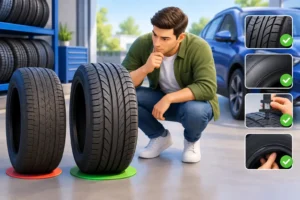












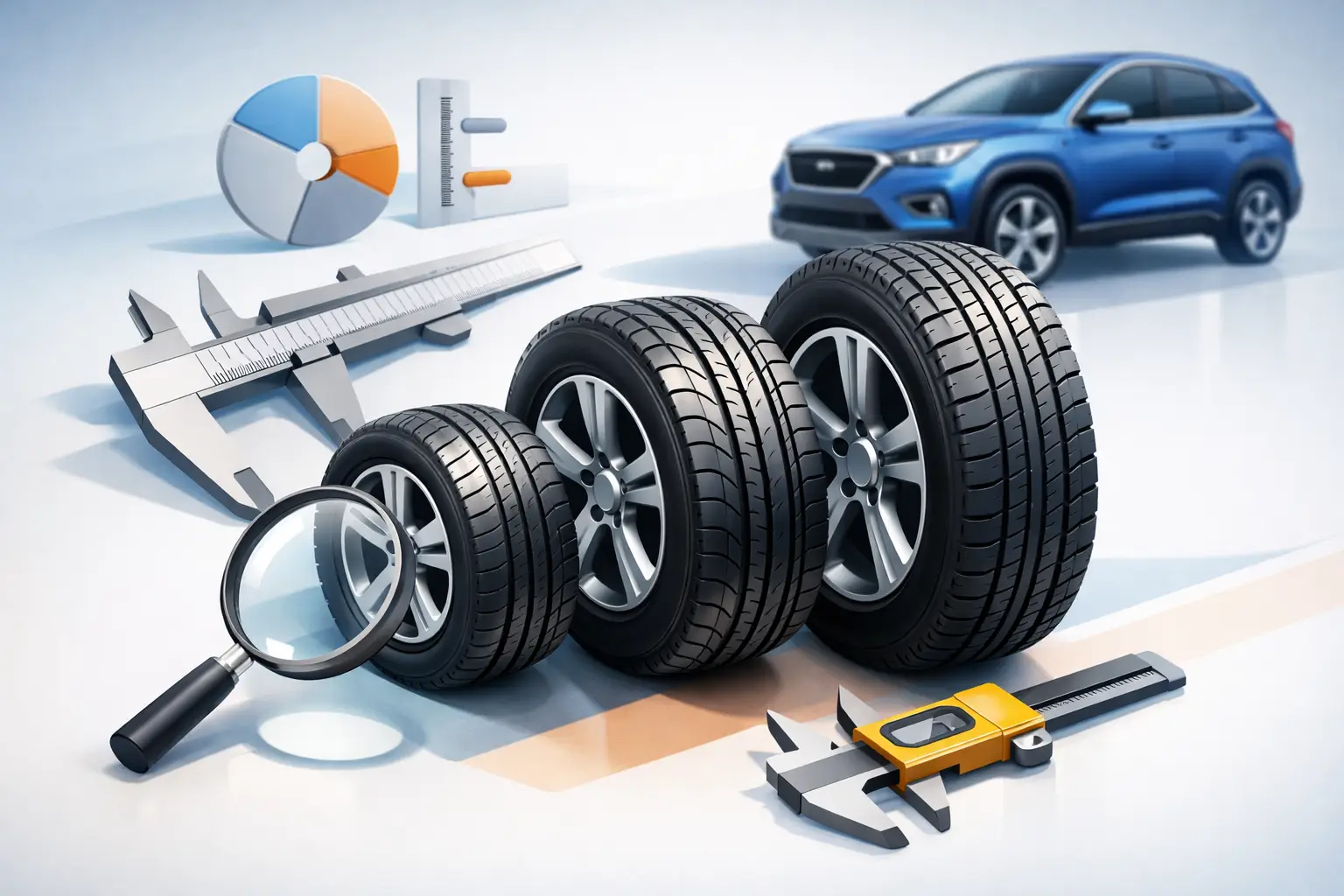
You do not need to guess your tire size, and you definitely should not buy based on what looks right. If you are asking, what tire size do I need, the answer is usually already printed on your vehicle in two places – on the current tire sidewall and on the driver-side door sticker. The real job is making sure that number matches how you drive, what you carry, and whether you want a straight replacement or a different setup.
Getting the size right affects more than fit. It changes ride comfort, handling, braking, fuel use, speedometer accuracy, and overall safety. A tire that is too wide, too tall, or not rated for the vehicle can create rubbing, uneven wear, and poor road manners. A tire that matches the vehicle correctly gives you the control, durability, and confidence you expect every day.
What tire size do I need for my vehicle?
For most drivers, the correct answer starts with the factory-recommended size. Carmakers choose tire sizes based on suspension geometry, wheel width, braking performance, load requirements, and electronic systems like ABS and traction control. That is why the safest and simplest option is usually replacing your current tires with the exact original size.
You can confirm that size by checking the sticker inside the driver-side door jamb. In many vehicles, you will also see recommended tire pressure there. If the sticker is missing or unreadable, the owner’s manual usually lists approved tire sizes. The tire sidewall can help too, but only if the current tires are already the right fit for the vehicle.
That matters more than people think. Many cars on the road are already wearing the wrong size because a previous owner changed wheels, fitted a cheaper substitute, or upsized without considering the full tire diameter. If something feels off, such as rubbing on turns, a harsh ride, or a speedometer that seems inaccurate, it is worth checking the factory specification before buying again.
How to read a tire size
A typical tire size looks like this: 225/45R17 94W. Each part means something specific, and understanding it makes shopping much easier.
The first number, 225, is the tire width in millimeters. The second number, 45, is the aspect ratio, which tells you the sidewall height as a percentage of the width. The letter R means radial construction, which is standard for modern road vehicles. The number 17 is the wheel diameter in inches, and it must match your wheel exactly. The final markings, 94W in this example, show the load index and speed rating.
The wheel diameter is non-negotiable unless you are changing wheels too. A 17-inch tire only fits a 17-inch wheel. Width and sidewall can sometimes change within an approved range, but that depends on the vehicle, wheel width, and available clearance.
Why load index and speed rating matter
Drivers often focus only on width and wheel size, but load index and speed rating matter just as much. The load index tells you how much weight each tire can safely carry. The speed rating shows the maximum speed capability under proper conditions.
You do not need to choose a higher speed rating just for the sake of it, but you should not go below the manufacturer’s minimum requirement. The same goes for load rating. This is especially important for SUVs, crossovers, family vehicles carrying passengers, and commercial-use applications where extra weight is part of normal driving.
Where to find the correct tire size
If you want the fastest path to the right answer, start with the driver-side door sticker. That is usually the best source because it reflects the manufacturer’s intended fitment for that exact vehicle configuration.
After that, check the owner’s manual. Some vehicles have more than one approved size depending on trim level, wheel package, or seasonal setup. Performance trims may use a lower-profile tire than the base model. SUVs and trucks may have different factory options depending on towing package or off-road equipment.
The current tire sidewall is useful, but treat it as a reference, not automatic proof. If you recently bought the car used, or if the wheels do not look original, verify the size against the vehicle specification.
What if front and rear tires are different?
Some performance cars and sport-focused SUVs use staggered fitment, which means the front and rear tires are different sizes. In that case, do not assume all four tires should match. Check both front and rear sidewalls, and confirm the recommended setup before ordering.
A staggered setup can improve grip and handling, but it also means tire rotation options are limited. If your vehicle uses this arrangement, accuracy matters even more.
Can I change tire size from stock?
Yes, but only within sensible limits. This is where the answer to what tire size do I need becomes more dependent on your goal. If you want a simple replacement, stay with the original size. If you want a different look, more sidewall, a wider footprint, or better off-road capability, a size change may be possible, but it needs to be calculated properly.
A small change can affect overall tire diameter, and that affects speedometer readings, gear ratios, ride quality, and clearance. Going too wide can lead to rubbing against the suspension or fender liner. Going too tall can interfere with turning or compression. Going too low-profile may sharpen handling, but it can also make the ride harsher and increase the risk of wheel damage on potholes.
For SUVs and 4x4s, upsizing is common, but not every larger tire is a smart fit. You need enough clearance under load, on turns, and during suspension travel. For passenger cars, plus-sizing can improve appearance and steering response, but there is always a trade-off between style, comfort, and protection.
Choosing the right size for how you drive
The correct size is not just about what fits the wheel. It should also fit your driving needs.
If your driving is mostly daily commuting, school runs, highway travel, and city traffic, the factory size is usually the best balance of comfort, fuel economy, road noise, and predictable handling. It keeps things simple and safe.
If you drive a performance sedan, coupe, or track-focused vehicle, the right tire size also needs to support the way the car puts power down and handles heat under load. In those cases, exact fitment and correct speed rating become even more important.
If you drive an SUV or 4×4, you may want stronger sidewalls, a slightly taller profile, or a tread pattern better suited to rougher roads. That can work well, but the size still needs to stay within the vehicle’s fitment limits. More aggressive does not always mean better if it adds noise, hurts braking, or creates clearance issues.
For commercial vehicles and fleet use, load capacity should be a priority. A tire that fits physically but does not carry the required weight is the wrong tire, even if the size looks close.
Common mistakes when choosing tire size
One of the biggest mistakes is copying another driver’s setup without checking your own exact vehicle. Two trims of the same model can use different wheel and tire sizes. Another common mistake is choosing the cheapest tire in a near match rather than the correct match. Close is not good enough when fitment affects braking, wear, and safety systems.
Drivers also sometimes ignore wheel width. Even if a tire can technically mount on a wheel, that does not mean it is the best or safest pairing. The tire needs to match the wheel within an approved range to perform as intended.
Then there is the issue of mixing sizes accidentally. Replacing only one or two tires with a different profile can upset handling and create problems for all-wheel-drive systems. If you are replacing part of a set, the new tires need to be closely matched in size and rolling circumference.
When expert fitment advice saves time
Buying tires should feel straightforward, not risky. If you know your size, great – shop by that number. If you are not fully sure, fitment support makes the process faster and safer. That is especially useful when you own a higher-trim vehicle, a staggered setup, an SUV with aftermarket wheels, or a 4×4 that sees mixed road use.
A good tire retailer does more than show products. It helps confirm compatibility, offers options across premium, mid-range, and value brands, and makes sure your final choice works for your vehicle and budget. GCC Tires is built around that practical approach, so drivers can move from uncertainty to the right replacement without wasting time on guesswork.
The best tire size is the one that fits your vehicle correctly, supports how you drive, and keeps installation simple. Once you confirm that number, the rest gets a lot easier – better choices, better value, and a drive that feels right from the first mile.