




















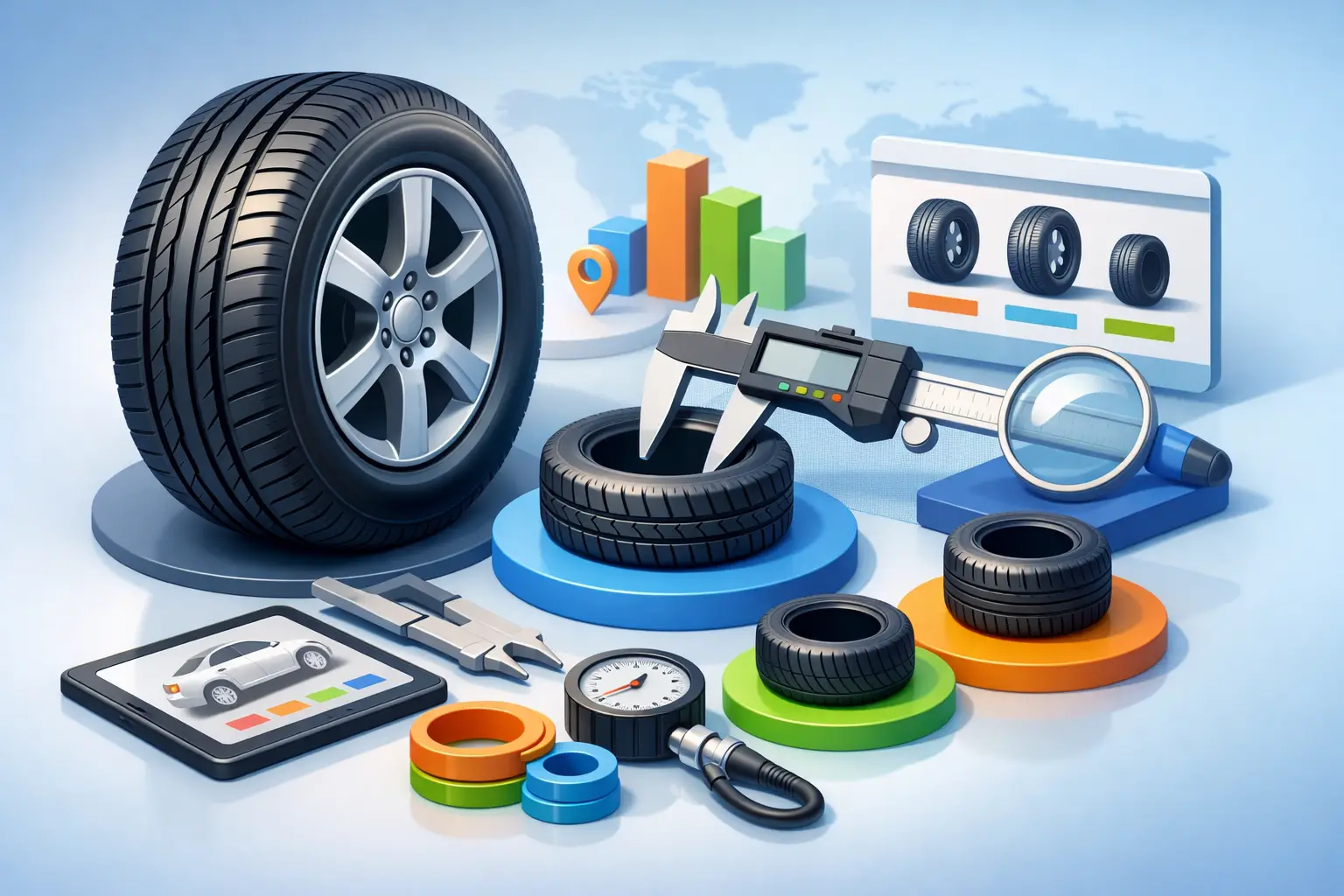
A tyre sidewall tells you more than most drivers realize. Those numbers and letters – like 225/45R17 – are the fastest way to shop tyres by size and cut through the guesswork. If you want a replacement that fits properly, performs safely, and matches how you drive, size is where the search should start.
For many buyers, shopping by vehicle make feels easier. Sometimes it is. But tyre size gives you precision. It helps you compare brands, price points, tread styles, and performance options without wasting time on products that were never meant for your car, SUV, or 4×4 in the first place. That matters when you need a quick replacement, when you are balancing cost against quality, or when you want to keep the same ride feel your vehicle already has.
Why shop tyres by size first
Shopping by size is practical because tyre fitment is not flexible in the way some drivers assume. The wrong width, profile, or rim diameter can affect handling, braking, fuel use, comfort, and even whether the tyre can be installed at all. A close match is not always good enough.
Starting with size also gives you better control over your options. If your current tyres are 235/55R19, you can immediately narrow the market to products built for that exact fit. From there, you can compare premium brands, mid-range options, and value-focused tyres based on what matters most to you – longevity, road noise, wet grip, off-road ability, or price.
This approach is especially useful for drivers who already know what they need. Performance car owners often search by exact size because they care about handling response and speed ratings. SUV drivers may want stronger sidewalls and confident highway stability. Family drivers usually want a balance of safety, comfort, and value. Commercial users may be looking for durability and mileage first. The size gets everyone to the right shelf faster.
How to read the tyre size on your sidewall
The most common format looks something like 225/45R17 94W. Each part means something specific, and understanding it makes buying much easier.
The first number, 225, is the tyre width in millimeters. The second number, 45, is the aspect ratio, which tells you the sidewall height as a percentage of the width. The letter R means radial construction, which is standard for modern road vehicles. The number 17 is the wheel diameter in inches.
After that, you will usually see a load index and speed rating. In this example, 94 is the load index and W is the speed rating. These matter more than many buyers think. If you replace your tyres with a lower load rating than your vehicle requires, you are compromising safety. If you choose the wrong speed rating, you may also change how the tyre performs under heat and sustained road speeds.
If you are unsure, check three places before you buy: the tyre sidewall, the driver-side door sticker, and your owner’s manual. If those do not match because of a previous size change, it is worth confirming the correct factory specification before ordering.
Shop tyres by size without missing the details
Finding the right size is the start, not the finish. Once you filter by size, the real decision is choosing the right type of tyre within that size.
A daily commuter may not need the same tyre as a driver who regularly takes long highway trips. An SUV used mostly in the city needs something different from a 4×4 that sees sand, gravel, or uneven terrain. Two tyres can share the same size but deliver very different results on comfort, tread life, grip, and noise.
That is why the best buying process combines exact fitment with clear comparison. Look at how the tyre is built and what it is designed to do. A touring tyre in your size will usually favor comfort and lower noise. A performance tyre in the same size may sharpen steering and increase grip, but tread life may be shorter and the ride firmer. An all-terrain tyre may offer stronger off-road traction, though it can bring extra road noise and a heavier feel on pavement.
There is always a trade-off. The smart buy is not the tyre with the most aggressive marketing. It is the one that matches your real driving.
What matters after size
Once you have the correct size, compare the factors that affect ownership beyond installation day.
Tread pattern matters because it influences wet braking, cornering confidence, and how the tyre handles standing water. This is especially important for drivers who want stable highway performance and predictable handling in changing conditions.
Compound matters because it affects grip and wear. Softer compounds tend to offer stronger traction, especially in performance-focused tyres, but they often wear faster. Harder compounds may last longer, which can make them a better fit for high-mileage drivers or budget-focused buyers.
Brand matters too, but not always in the way people think. Premium brands usually invest more heavily in compound technology, noise reduction, and braking performance. Mid-range and value brands can still be strong choices when selected carefully, especially for drivers who prioritize affordability without moving into unknown or questionable products.
Warranty support and professional fitment also deserve attention. A well-priced tyre loses value quickly if installation is inconsistent or balancing is poor. Proper fitment, balancing, and alignment help protect the life of your new tyres and improve how the vehicle feels on the road.
When staying with the same size is best
For most replacement purchases, staying with the manufacturer-recommended size is the right move. It protects the intended handling balance of the vehicle and avoids complications with clearance, ride quality, and speedometer accuracy.
It is usually the safest choice for family cars, daily commuters, and drivers who simply want dependable performance without extra decisions. If your current setup has been comfortable, stable, and trouble-free, there is rarely a good reason to change size just because another option looks available.
This is also the easiest path when you want quick compatibility and a smooth buying process. Search the exact size, compare trusted brands, choose the performance level that fits your budget, and book fitment.
When a size change might make sense
There are cases where drivers intentionally move away from the original size, but this should be done carefully. Performance drivers may plus-size to improve steering response and cornering feel. Off-road users may choose a different setup for added sidewall strength or terrain capability. Some SUV owners change sizes for aesthetics or seasonal use.
But size changes are not simple upgrades. A lower-profile tyre may sharpen handling while reducing comfort and increasing vulnerability to road impacts. A wider tyre can improve grip in some conditions, but it may also affect fuel efficiency, tramlining, or wet performance depending on the tread design. Larger wheel setups often look better, but replacement costs usually rise too.
If you are considering a different size, fitment accuracy matters even more. The goal is to maintain overall rolling diameter within an acceptable range and avoid interference with suspension or body components. If you are not certain, professional guidance is the better choice.
Making the online buying process easier
The easiest tyre purchase is the one that removes doubt early. Search by exact size, then narrow the field by brand, category, and price. This gives you a cleaner comparison and helps you avoid overbuying or underbuying.
For example, if you drive a family sedan and your size returns both ultra-high-performance tyres and comfort-focused touring models, the cheaper option is not automatically the better value, and the sportier option is not automatically the better tyre. Value comes from fit with your needs. A quieter, longer-lasting tyre may save more over time than an option that looks impressive on paper but wears quickly.
This is where a well-organized platform makes a real difference. GCC Tires helps drivers move from size to shortlist quickly, with options across premium, mid-range, and budget-friendly brands, plus fitment support that keeps the process practical from purchase to installation.
Common mistakes to avoid when you shop tyres by size
The biggest mistake is focusing only on the first four parts of the size and ignoring the load index and speed rating. Another is assuming any tyre that physically mounts is acceptable. It is not.
Some buyers also choose based only on price and miss the long-term cost of faster wear, weaker wet grip, or excess road noise. Others buy an aggressive tread pattern for looks, then regret the ride quality during daily driving. And many people delay alignment after installation, which can shorten tyre life far sooner than expected.
A better approach is simple: confirm the size, match the rating, compare the intended use, and make sure installation is handled correctly. That gives you a tyre that fits not just your wheel, but your driving life.
The right tyre should make your next drive feel settled, predictable, and worth the money you spent. Start with the size, choose with purpose, and let the road confirm you got it right.

 Get This Deal